
Few places in Southeast Asia have the ability to make travelers stop and stare quite like Angkor Wat.
Rising from the Cambodian landscape near Siem Reap, this extraordinary temple complex represents one of the world's most remarkable architectural and cultural achievements. Towering stone structures, enormous galleries, detailed carvings, ancient reservoirs, forest-covered ruins, and centuries-old pathways create an atmosphere unlike anywhere else.
But Angkor Wat is only one part of the story.
A journey to Cambodia can take you beyond the famous temple itself, into the wider Angkor Archaeological Park, where Angkor Thom, Bayon, Ta Prohm, Preah Khan, and numerous other historic sites reveal the extraordinary scale of the ancient Khmer civilization.
For Indian travelers planning a Cambodia trip from India, the destination offers an appealing combination of history, culture, architecture, food, markets, nature, and adventure. Siem Reap provides the perfect base for exploring the temples, while Phnom Penh introduces travelers to Cambodia's modern capital and more recent history.
Before booking your Cambodia tour package, however, there are several important things to understand. From temple passes and clothing to weather, walking requirements, photography, local transportation, and the best time to visit, a little preparation can make your experience significantly better.
This Angkor Wat Travel Guide explains everything first-time visitors should know before traveling to Cambodia.
At TrawelMart, we can help create customized Cambodia holidays for couples, families, groups, and travelers looking to combine Cambodia with other Southeast Asian destinations.
"Angkor Wat is not simply a monument you visit—it is a place where history, architecture, spirituality, and nature come together."
Why Angkor Wat Should Be on Your Cambodia Itinerary
Angkor Wat is widely recognized as one of the world's most iconic temple complexes.
Constructed during the Khmer Empire, it was originally associated with Hindu worship and later became an important Buddhist site. Its enormous scale, architectural symmetry, galleries, towers, and intricate stone carvings make it one of the defining attractions of Cambodia.
The temple is also part of a much larger archaeological landscape.
Travelers who visit only Angkor Wat and leave may miss some of the most fascinating experiences in the surrounding area.
A proper Cambodia temple tour should ideally include Angkor Wat alongside Angkor Thom, Bayon, Ta Prohm, and other selected temples.
"Angkor Wat may be the headline, but the temples surrounding it turn a visit into a complete journey through Khmer history."
Where Is Angkor Wat?
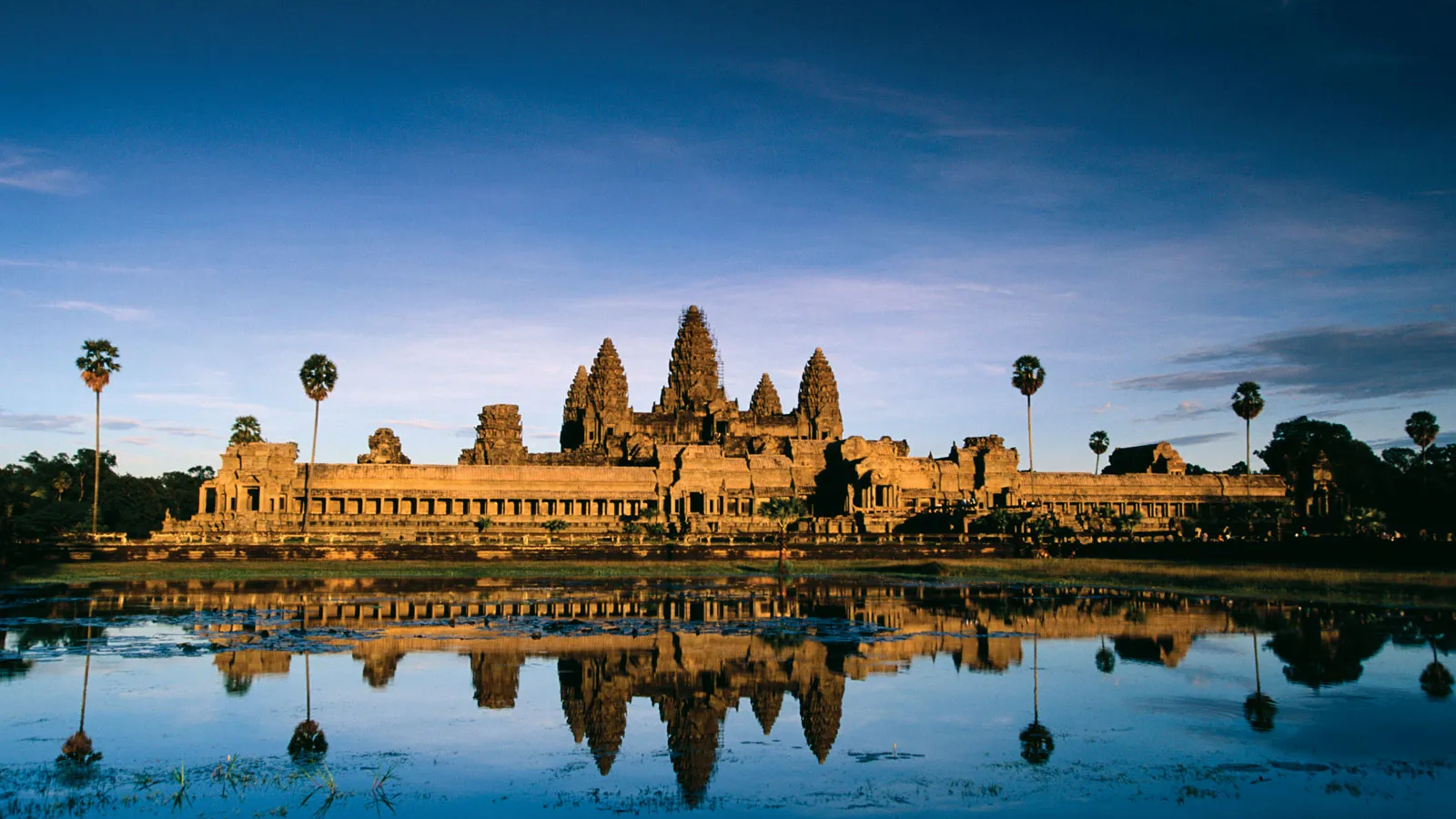
Angkor Wat is located in the Angkor Archaeological Park, approximately a short drive from Siem Reap.
Siem Reap is the main tourist base for exploring the temples and offers a wide selection of hotels, restaurants, cafés, markets, spas, and tour services.
Most international travelers planning an Angkor Wat visit stay in Siem Reap for several nights.
The city is much more than a place to sleep between temple visits. It provides opportunities to experience Cambodian cuisine, traditional performances, local markets, handicrafts, and the atmosphere of modern Cambodia.
"Siem Reap is your gateway to Angkor, but spending time in the city reveals another side of Cambodia beyond the ancient stones."
Understanding the Angkor Archaeological Park
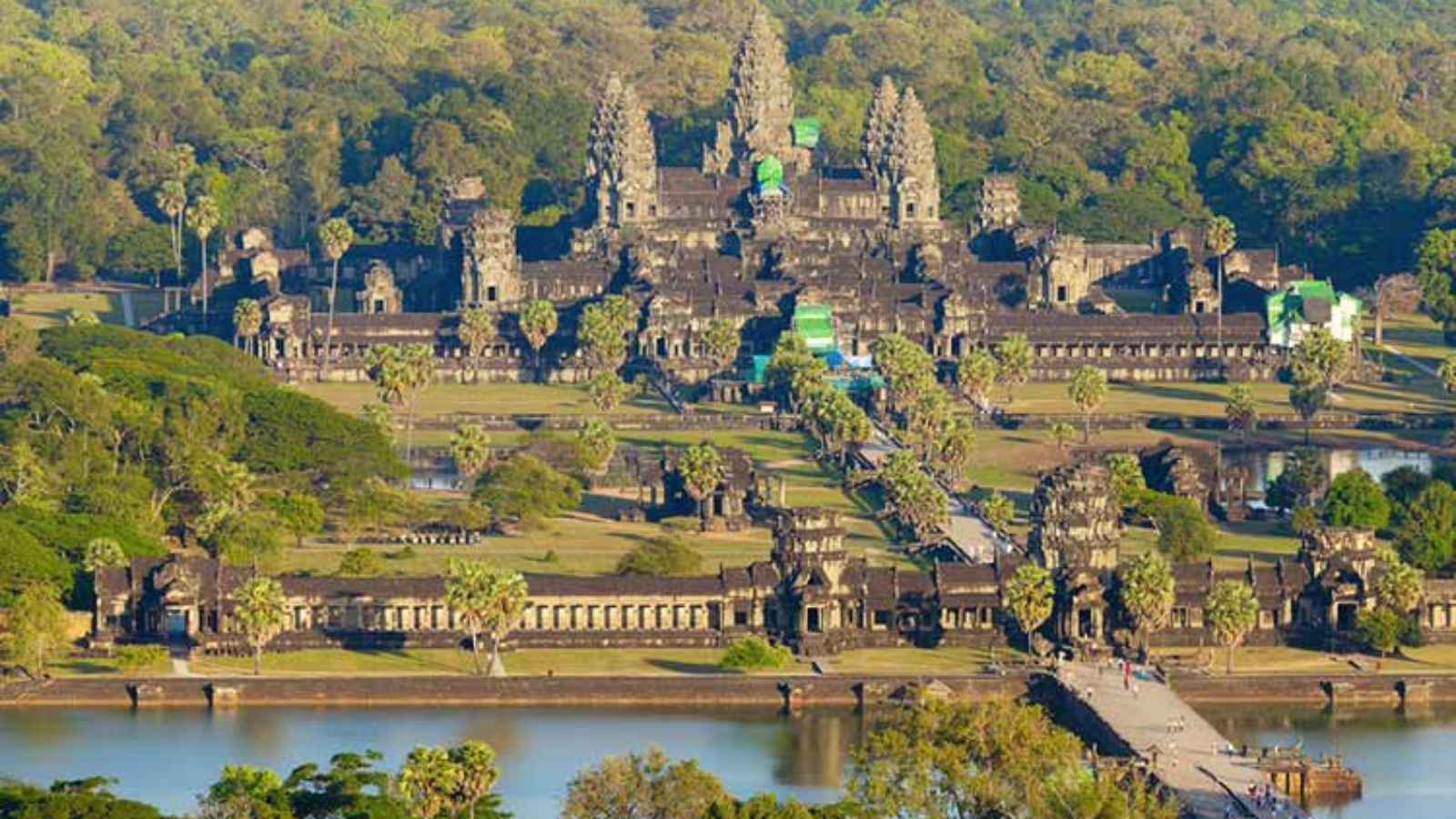
One of the most important things to know before visiting is that Angkor Wat is only one temple within a vast archaeological area.
The Angkor Archaeological Park contains numerous temples and historic structures spread across a large region.
Among the most important sites are Angkor Wat, Angkor Thom, Bayon, Ta Prohm, Preah Khan, Banteay Kdei, and other temples.
Because the sites are spread out, visiting them involves transportation between locations.
This is why planning your temple route in advance is useful. Trying to visit every temple can quickly become tiring, especially in Cambodia's heat.
A good itinerary should combine major highlights with enough time to rest.
"Angkor is not one temple—it is an entire ancient world waiting to be explored."
Angkor Wat: What Makes It Special?
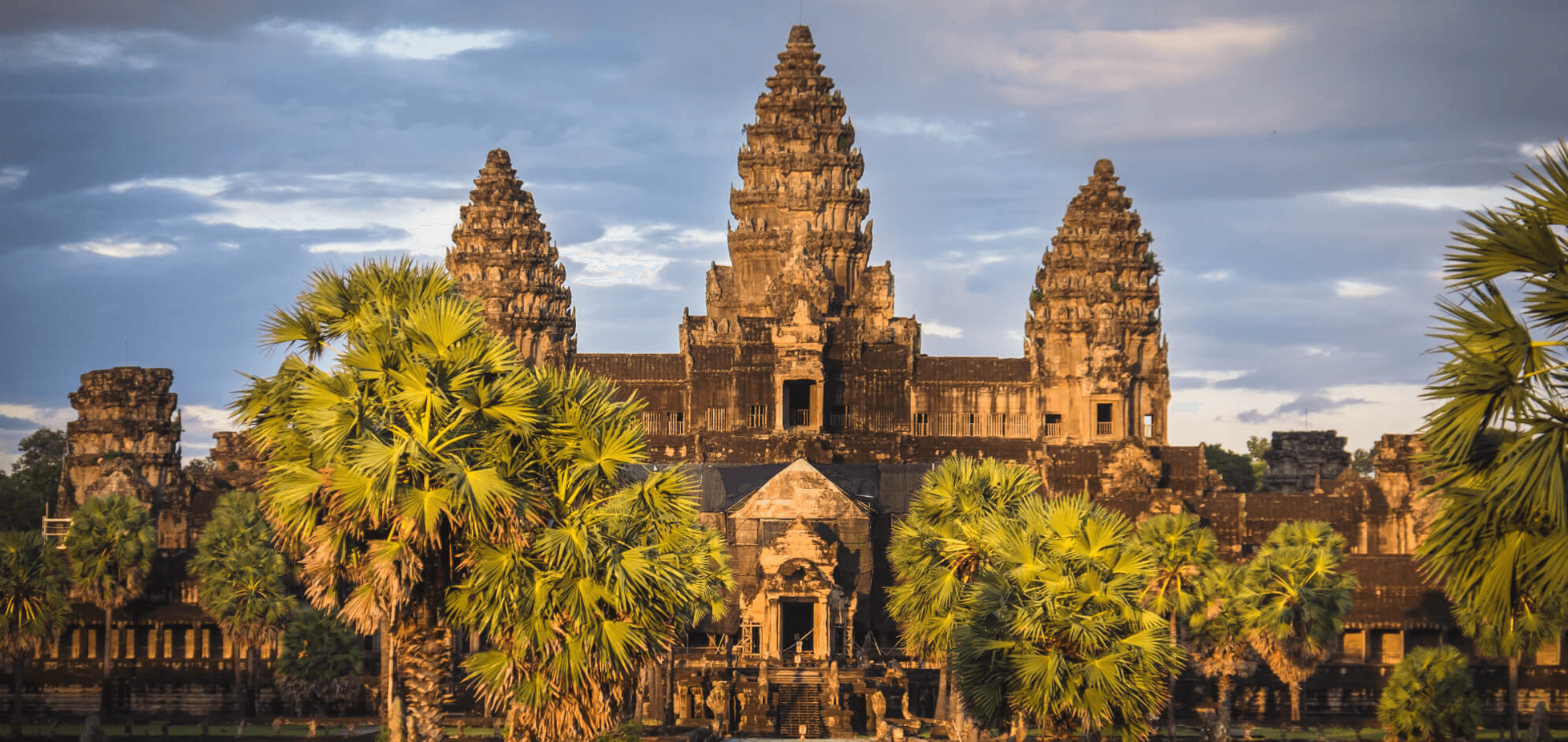
Angkor Wat is famous for its distinctive towers, enormous galleries, detailed bas-reliefs, and impressive scale.
The temple's central towers create one of Cambodia's most recognizable silhouettes.
Walking through its galleries reveals elaborate carvings depicting scenes connected with Hindu mythology, historical traditions, and Khmer culture.
The temple's design also demonstrates the sophistication of Khmer architecture and engineering.
Take time to look beyond the main towers. Details in the walls, carvings, corridors, courtyards, and surrounding structures can be just as fascinating as the famous exterior.
"The closer you look at Angkor Wat, the more details the ancient stone seems to reveal."
Angkor Wat at Sunrise
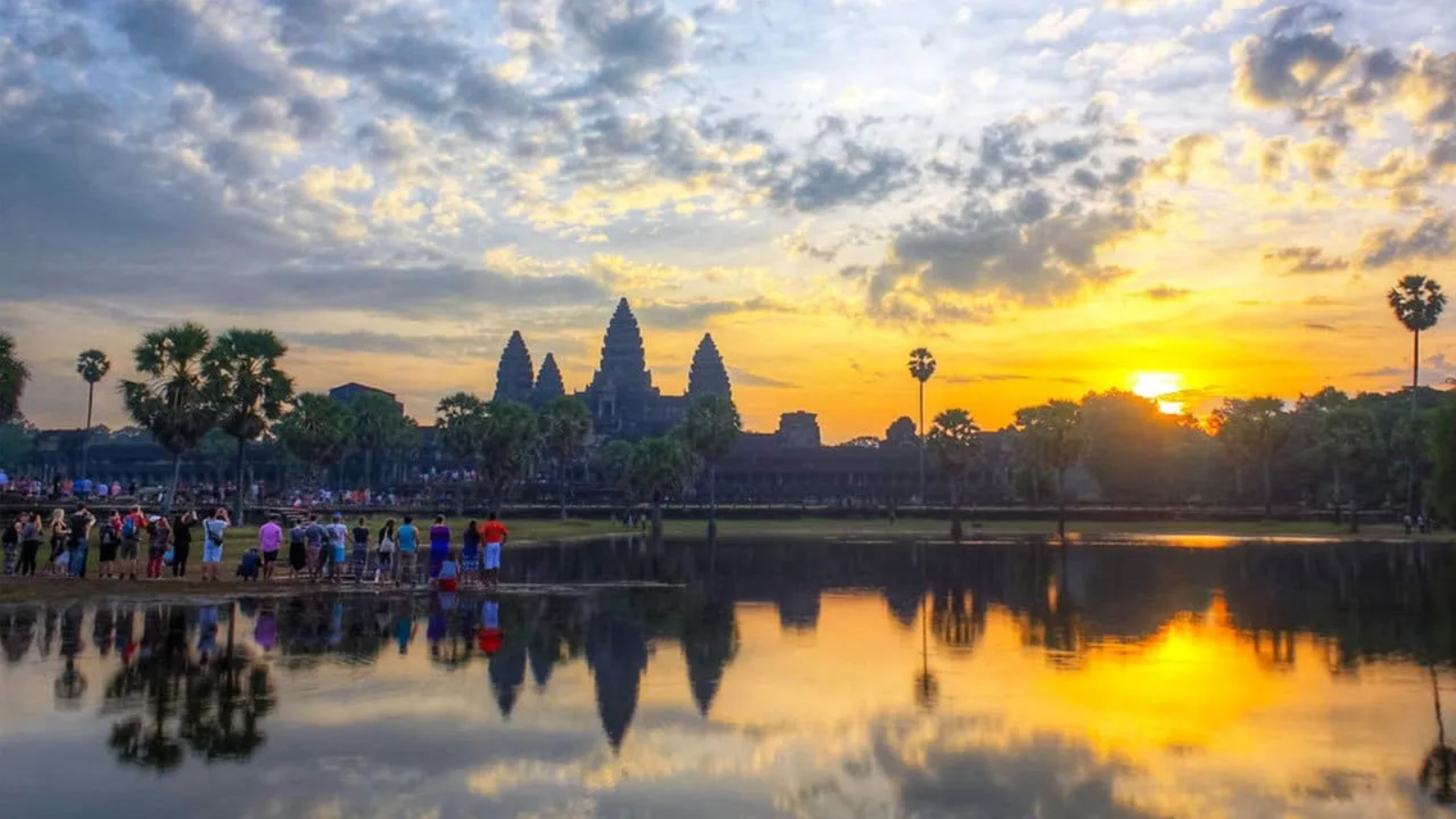
Sunrise at Angkor Wat is one of the most famous experiences associated with visiting Cambodia.
The silhouette of the temple reflected in the water can create an unforgettable scene, particularly when the sky begins changing colors behind the towers.
However, sunrise is also one of the busiest periods.
If you want to experience it, expect an early start and crowds. Arriving early is essential, especially if you want a good viewing position.
Weather conditions also affect the experience. Some mornings may produce dramatic colors, while others can be cloudy.
Don't be disappointed if the sunrise doesn't look exactly like photographs you've seen online. The temple itself remains extraordinary.
"The sunrise may last minutes, but the image of Angkor Wat emerging from the morning darkness can stay with you forever."
Angkor Thom: Discover the Ancient Royal City
After exploring Angkor Wat, Angkor Thom should be high on your list.
Angkor Thom was a major royal city during the Khmer Empire and covers a substantial area.
The city is entered through monumental gates and contains several important structures.
Its most famous attraction is the Bayon Temple.
The scale of Angkor Thom helps visitors understand that Angkor was not simply a collection of temples. It was an enormous urban and political center.
"Walking through Angkor Thom is like stepping into the remains of an ancient capital built on a monumental scale."
Bayon Temple and Its Famous Faces
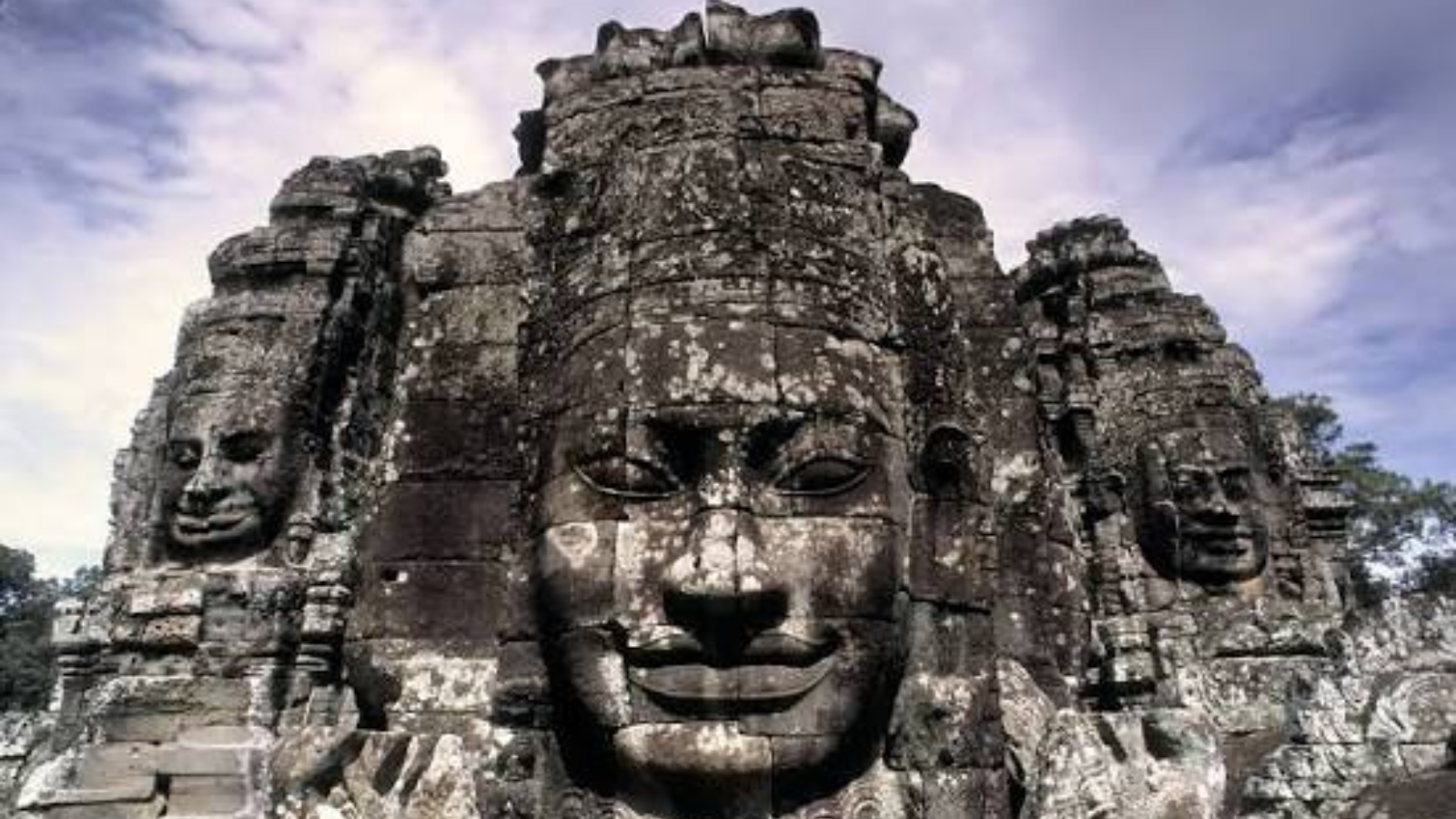
Bayon is one of the most recognizable temples in the Angkor complex.
Its towers feature large carved faces that create a mysterious and unforgettable atmosphere.
As you walk around the temple, faces appear from different angles, giving the structure a unique visual character.
Bayon's galleries also contain detailed bas-reliefs depicting scenes from Khmer life and history.
The temple is particularly fascinating for travelers interested in photography because light and shadow interact dramatically with the stone faces throughout the day.
"At Bayon, the ancient stone faces seem to watch silently as visitors pass through centuries of history."
Ta Prohm: The Temple Where Nature Takes Over
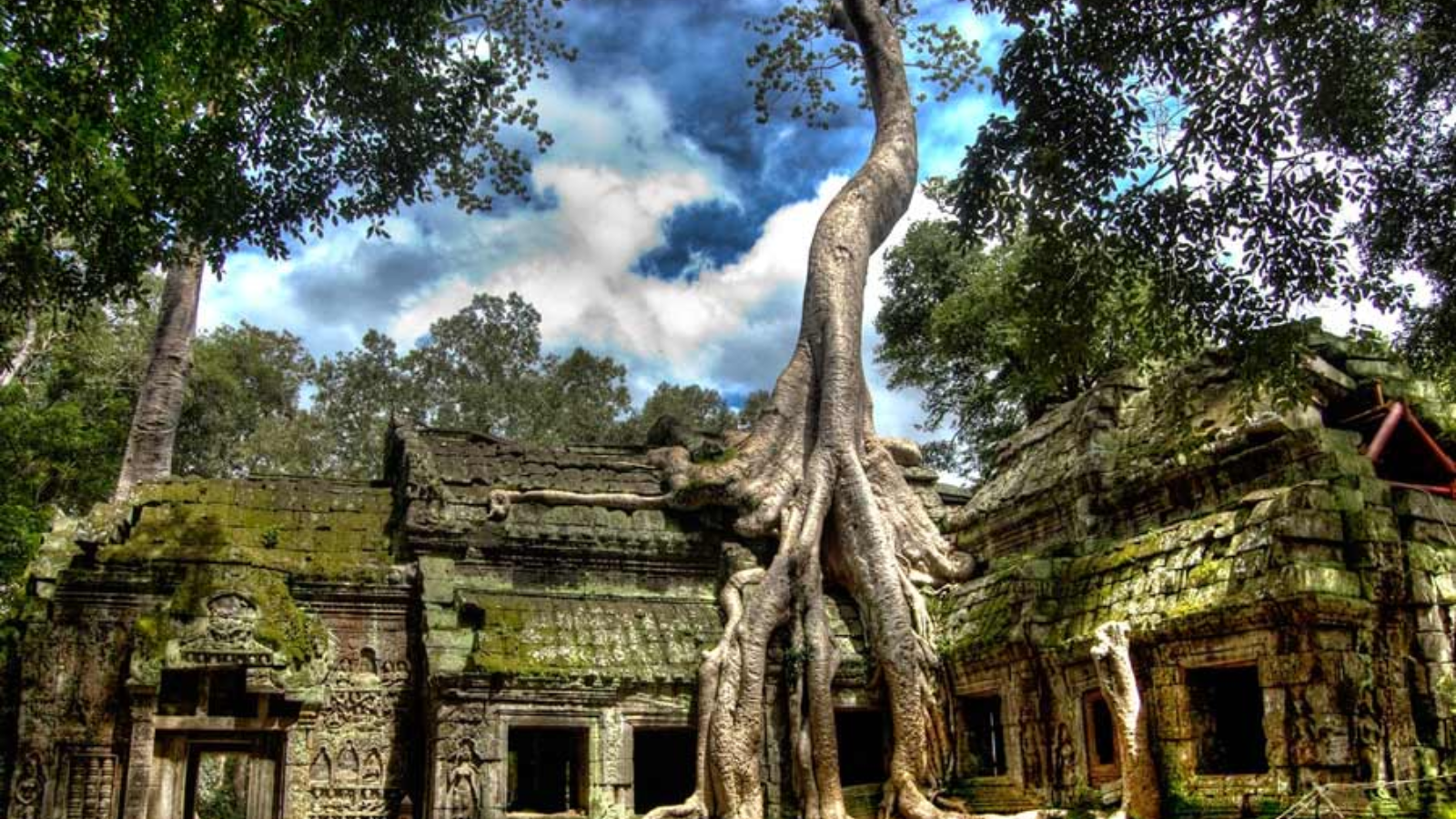
Ta Prohm is perhaps the most atmospheric temple in the Angkor complex.
Large trees and roots have grown around sections of the ancient ruins, creating the famous image of architecture and nature intertwined.
The site became especially popular internationally after appearing in the film Lara Croft: Tomb Raider.
However, Ta Prohm's appeal goes far beyond cinema.
The temple demonstrates how Cambodia's ancient architecture interacted with the surrounding environment over centuries.
The combination of trees, roots, stone corridors, collapsed structures, and carved walls creates an otherworldly experience.
"At Ta Prohm, nature doesn't surround history—it becomes part of history."
Preah Khan and the Lesser-Known Temples
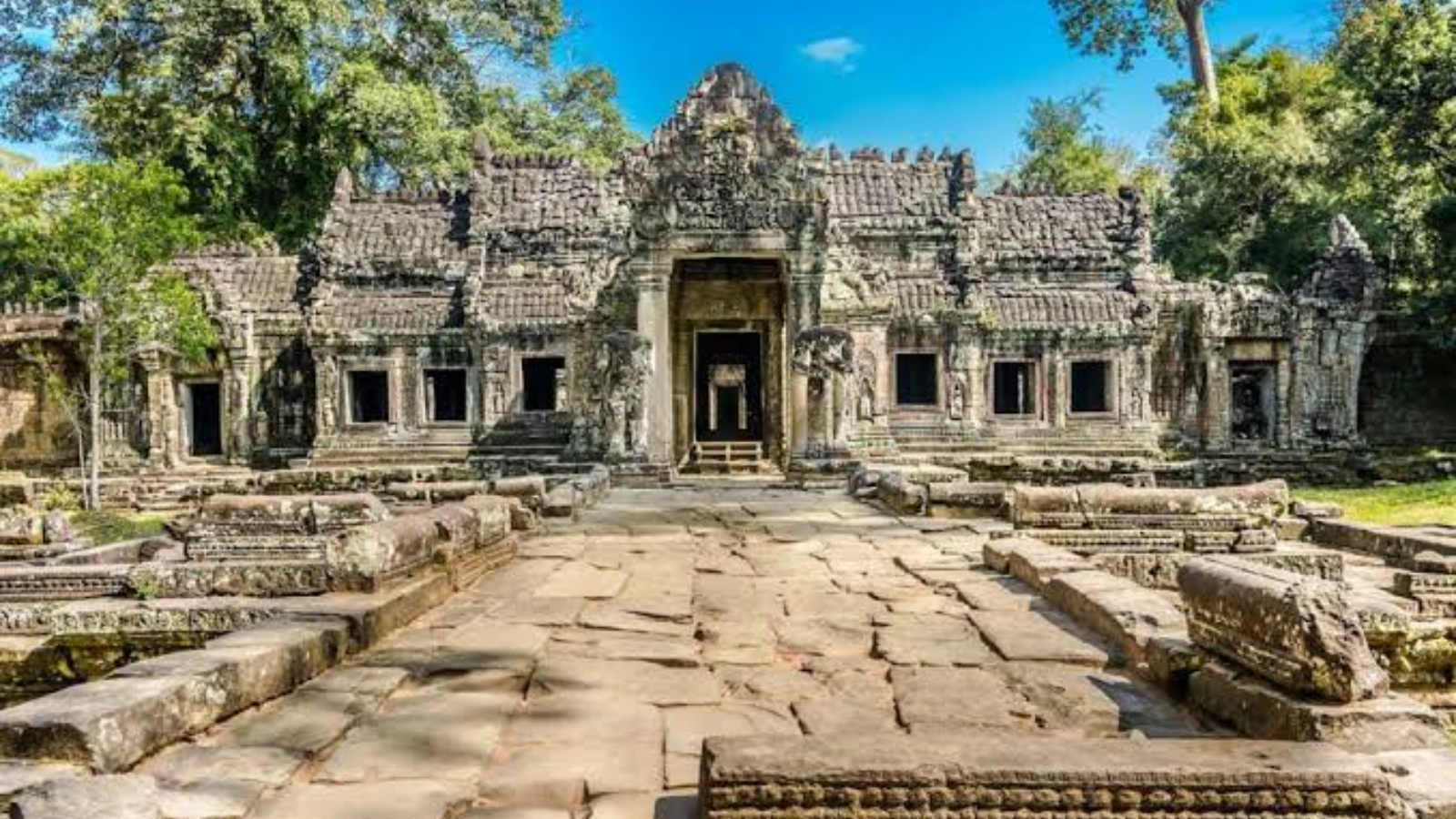
Travelers with additional time should consider visiting some of the less-famous temples.
Preah Khan, for example, offers an impressive combination of corridors, courtyards, carvings, and partially overgrown structures.
Exploring less-crowded sites can provide a more peaceful experience than the busiest attractions.
Rather than rushing through a long list of temples, select a few that match your interests.
History lovers may prefer detailed architectural sites, photographers may enjoy atmospheric ruins, while travelers looking for quiet experiences may want to explore temples away from the main tourist circuit.
"Sometimes the most memorable Angkor experience is found away from the crowds."
How Many Days Do You Need for Angkor Wat?
For first-time visitors, spending around two to three days exploring the Angkor temples can provide a good balance.
One day can focus on Angkor Wat, Angkor Thom, Bayon, and Ta Prohm.
A second day can explore additional temples and allow more time for photography and architecture.
A third day can be used for further exploration, a more relaxed schedule, or attractions outside the main temple circuit.
If your Cambodia holiday is short, even one well-planned day can cover the major highlights, but you'll likely have to move at a faster pace.
"Don't measure your Angkor experience by the number of temples you visit—measure it by how much you actually experience."
Best Time to Visit Angkor Wat
The best time to visit Angkor Wat depends on your priorities.
The dry season is generally popular among tourists because rainfall is lower and sightseeing conditions are often more predictable.
However, this period can also bring larger crowds and higher demand for accommodation.
The wetter months can produce lush green scenery and dramatic skies, and rain showers may be short rather than continuous. The temples can also feel different when surrounded by wet vegetation.
Temperatures can be high throughout much of the year, so early morning sightseeing is particularly valuable.
"There is no single perfect season for Angkor—each period gives the temples a different atmosphere."
What to Wear When Visiting Angkor Wat
Appropriate clothing is extremely important.
Angkor Wat and many other temples are religious and culturally significant sites. Visitors should dress respectfully, particularly when entering temple areas.
Clothing that covers the shoulders and knees is recommended.
Comfortable footwear is essential because temple visits involve considerable walking, stairs, uneven surfaces, and sometimes rough stone pathways.
A lightweight hat, sunglasses, and breathable clothing can also make the experience more comfortable.
Carry a light scarf or shawl if you need additional coverage.
"Dress for the heat, but remember that Angkor is also a sacred cultural space—comfort and respect should go together."
Prepare for Plenty of Walking
One of the most important Angkor Wat travel tips is to prepare physically for the experience.
The archaeological park is enormous, and exploring the temples can involve walking for several hours.
Some temples include steep or uneven stairs, while others have narrow passages and rough surfaces.
Wear comfortable shoes with good grip.
Take regular breaks, drink sufficient water, and avoid trying to complete every attraction during the hottest part of the day.
An early-morning start followed by a midday break can be a much better strategy than continuous sightseeing.
"The temples may be ancient, but your feet still need a modern holiday break."
How to Get Around Angkor Wat
Because the temples are spread over a large area, you will need transportation.
Tuk-tuks are one of the most traditional ways to explore the Angkor complex and can be a pleasant way to experience the surroundings.
Private cars and organized tours offer greater comfort, particularly for families and travelers visiting during hotter months.
Cycling is another option for active travelers, although distances and weather should be considered carefully.
A knowledgeable local guide can also make a major difference because the ruins contain layers of history that aren't immediately obvious.
"The right transportation lets you save your energy for what matters most—the temples themselves."
Angkor Wat Photography Tips
Angkor Wat is a dream destination for photographers.
The temples offer countless opportunities for architectural photography, portrait-style travel images, landscape compositions, and detailed close-ups.
Early morning and late afternoon can provide softer light.
Pay attention to reflections, doorways, columns, carvings, trees, and architectural symmetry.
However, always respect photography restrictions in religious areas and avoid obstructing other visitors.
When photographing local people, ask permission where appropriate.
"At Angkor, every doorway frames a photograph and every carved wall carries a story."
Cambodian Culture and Temple Etiquette
Understanding local customs makes your journey more respectful and rewarding.
Cambodia has a strong Buddhist cultural heritage, and visitors should behave appropriately inside temples.
Avoid touching religious statues unless specifically permitted.
Do not climb on restricted temple structures.
Keep your voice low in sacred areas and follow signs and instructions.
When photographing monks or local worshippers, be respectful and ask permission when appropriate.
Simple gestures of cultural awareness can make a significant difference.
"Travel becomes more meaningful when you don't just see another culture—you respect it."
Cambodian Food You Should Try
A Cambodia holiday package should include plenty of opportunities to experience local cuisine.
Cambodian food offers a fascinating combination of fresh herbs, rice, vegetables, seafood, meat, spices, and sauces.
Amok is one of the country's best-known dishes and is often prepared with fish and a fragrant curry mixture.
Lok lak, noodle dishes, soups, grilled meats, and fresh tropical fruits provide additional options.
Siem Reap has restaurants ranging from traditional Cambodian eateries to international dining venues.
Travelers should also explore local markets for snacks and regional specialties.
"Cambodia's cuisine may be less internationally famous than its temples, but it deserves its own place on your itinerary."
Siem Reap Beyond the Temples
While Angkor is the main reason most travelers visit Siem Reap, the city offers plenty of other experiences.
Explore local markets, browse Cambodian handicrafts, enjoy traditional performances, visit cafés, or relax with a traditional spa treatment.
The city also provides opportunities to learn more about Cambodian arts and culture.
For travelers staying several nights, setting aside time beyond the temples can make the trip feel more balanced.
"Siem Reap is more than the gateway to Angkor—it is where ancient heritage meets contemporary Cambodian life."
Cambodia for Indian Travelers
For travelers planning a Cambodia trip from India, Cambodia can be a fascinating introduction to Southeast Asia.
Indian travelers may notice cultural and historical connections, particularly through the influence of Hindu traditions on parts of the Khmer civilization.
The temples themselves contain references and artistic traditions connected with Hindu mythology, while Buddhism remains deeply important in modern Cambodia.
Food options can also be adapted to different dietary preferences, although travelers should communicate clearly when ordering.
Before departure, confirm current visa and entry requirements for Indian passport holders because immigration policies and procedures can change.
"For Indian travelers, Cambodia offers a fascinating opportunity to discover how Indian cultural influences traveled far beyond the subcontinent."
Cambodia for Honeymooners
A Cambodia honeymoon package can combine cultural exploration with relaxation.
Couples can explore Angkor Wat at sunrise, enjoy a private temple tour, experience Cambodian cuisine, relax at a luxury hotel, and discover Siem Reap's markets and cafés.
A Cambodia honeymoon can also be combined with destinations such as Thailand or Vietnam for travelers planning a longer Southeast Asia holiday.
The key is to avoid making every day a sightseeing marathon.
After a morning of temple exploration, allow time for a relaxed lunch, spa experience, or leisurely evening.
"Cambodia adds adventure and history to a honeymoon, creating memories that go far beyond traditional beach escapes."
Cambodia for Families
Families can also enjoy Cambodia, particularly if children are interested in history and adventure.
The enormous temples can feel like stepping into an adventure story, while the carvings and architecture provide opportunities to make history more engaging.
However, the heat and walking can be challenging for younger children.
Plan shorter sightseeing sessions, carry water, use comfortable transportation, and include breaks between major temple visits.
"For children, Angkor can turn a history lesson into an unforgettable real-world adventure."
What to Pack for Cambodia
Light, breathable clothing is essential because temperatures can be warm.
Carry comfortable walking shoes, sunglasses, sunscreen, a hat, insect repellent, a reusable water bottle, and a small backpack.
A lightweight rain jacket or umbrella can be useful during wetter periods.
Because temple visits require modest clothing, ensure that you have outfits covering your shoulders and knees.
A portable charger can be useful during long sightseeing days.
"The best Angkor packing list is simple: comfortable shoes, breathable clothes, sun protection, water, and plenty of curiosity."
Common Mistakes to Avoid at Angkor Wat
One common mistake is trying to visit too many temples in one day.
Another is arriving without checking opening times, ticket requirements, or current site regulations.
Some visitors also underestimate the heat and amount of walking involved.
Wearing inappropriate clothing can create problems when visiting religious sites, so dress respectfully from the beginning.
Finally, don't spend the entire visit looking through your phone camera. Take photographs, but also put the camera away occasionally and simply observe the architecture.
"Don't let the desire to photograph Angkor make you forget to actually experience it."
Why Choose TrawelMart for Your Cambodia Holiday?
Planning a Cambodia tour package can involve coordinating flights, accommodation, airport transfers, temple passes, local transportation, sightseeing, guides, and activities.
At TrawelMart, we create customized Cambodia holidays based on your interests, travel dates, budget, and preferred pace.
Whether you're looking for a cultural temple tour, a family vacation, a romantic Cambodia honeymoon package, or a broader Southeast Asia journey, we can help build an itinerary that works for you.
A well-planned Cambodia itinerary can combine Siem Reap and Angkor with Phnom Penh, beaches, cultural experiences, or neighboring countries depending on the length of your holiday.
For travelers looking for a convenient Southeast Asia tour package, Cambodia can also be combined with Thailand, Vietnam, Singapore, or Malaysia.
"Let TrawelMart take care of the journey so you can spend your time discovering the stories carved into Cambodia's ancient stones."
Conclusion
Exploring Angkor Wat is more than ticking one of the world's most famous landmarks off your travel list.
It is an opportunity to discover the remarkable history of the Khmer Empire, admire extraordinary architecture, walk through ancient cities, experience temples reclaimed by nature, taste Cambodian cuisine, and understand a culture that continues to evolve while preserving its heritage.
For first-time visitors, the ideal Angkor Wat travel itinerary should go beyond the main temple. Angkor Thom, Bayon, Ta Prohm, Preah Khan, and other surrounding sites provide a much deeper understanding of the archaeological complex.
At the same time, don't forget Siem Reap itself. Its food, markets, culture, hospitality, and modern character add another dimension to your Cambodia holiday.
With the right clothing, comfortable footwear, sensible sightseeing schedule, cultural awareness, and a little preparation, your visit can be both comfortable and unforgettable.
Whether you're traveling as a couple, family, or group of friends, TrawelMart's Cambodia tour packages can help you experience Angkor Wat and the country's other highlights with a carefully designed itinerary.
"Angkor Wat is built from stone, but its greatest legacy is the story it tells—a story of civilization, faith, artistry, and a remarkable chapter in Cambodia's history."