
Vienna and Budapest are two of Central Europe's most captivating cities, offering travelers a fascinating combination of imperial history, grand architecture, classical culture, traditional cuisine, elegant cafés, lively neighborhoods, and the magnificent Danube River.
Located relatively close to each other, the two cities are ideal for travelers who want to experience two different sides of Central Europe in a single holiday. Vienna reflects the grandeur of the former Habsburg Empire, with magnificent palaces, opera houses, museums, elegant boulevards, and historic coffeehouses. Budapest, meanwhile, combines the historic Buda side with the energetic Pest side, creating a city famous for its castles, bridges, thermal baths, markets, nightlife, and spectacular riverside views.
The Danube connects both destinations geographically and culturally. In Vienna, the river provides a modern recreational landscape, while in Budapest it flows dramatically between Buda and Pest, creating some of Europe's most memorable city views.
For Indian travelers, a Vienna Budapest tour package offers an excellent introduction to Central Europe. The two cities can be comfortably combined with destinations such as Prague, Bratislava, Salzburg, or other European capitals depending on the length of the holiday.
This complete Vienna and Budapest Travel Guide explores the most important attractions, imperial landmarks, Danube experiences, food, culture, transportation, shopping, best travel seasons, and itinerary ideas for planning an unforgettable Central European vacation.
At TrawelMart, we create customized Vienna Budapest holiday packages designed around your preferred duration, budget, sightseeing interests, and travel style.
"Vienna tells the story of emperors and classical elegance, while Budapest brings history to life beside the Danube."
Why Combine Vienna and Budapest?
Vienna and Budapest are particularly well suited to a combined European holiday.
Both cities have rich imperial histories, beautiful architecture, famous cafés, impressive museums, and strong cultural traditions.
Yet they offer distinctly different atmospheres.
Vienna feels elegant, polished, and classical. Its grand palaces and wide boulevards reflect centuries of imperial influence.
Budapest feels more dramatic and eclectic, combining Gothic, Baroque, Art Nouveau, Ottoman influences, and modern urban culture.
The two cities are also well connected, making it practical to include both in one itinerary.
"Two cities, two personalities, one extraordinary Central European journey."
Vienna: The Imperial Heart of Austria
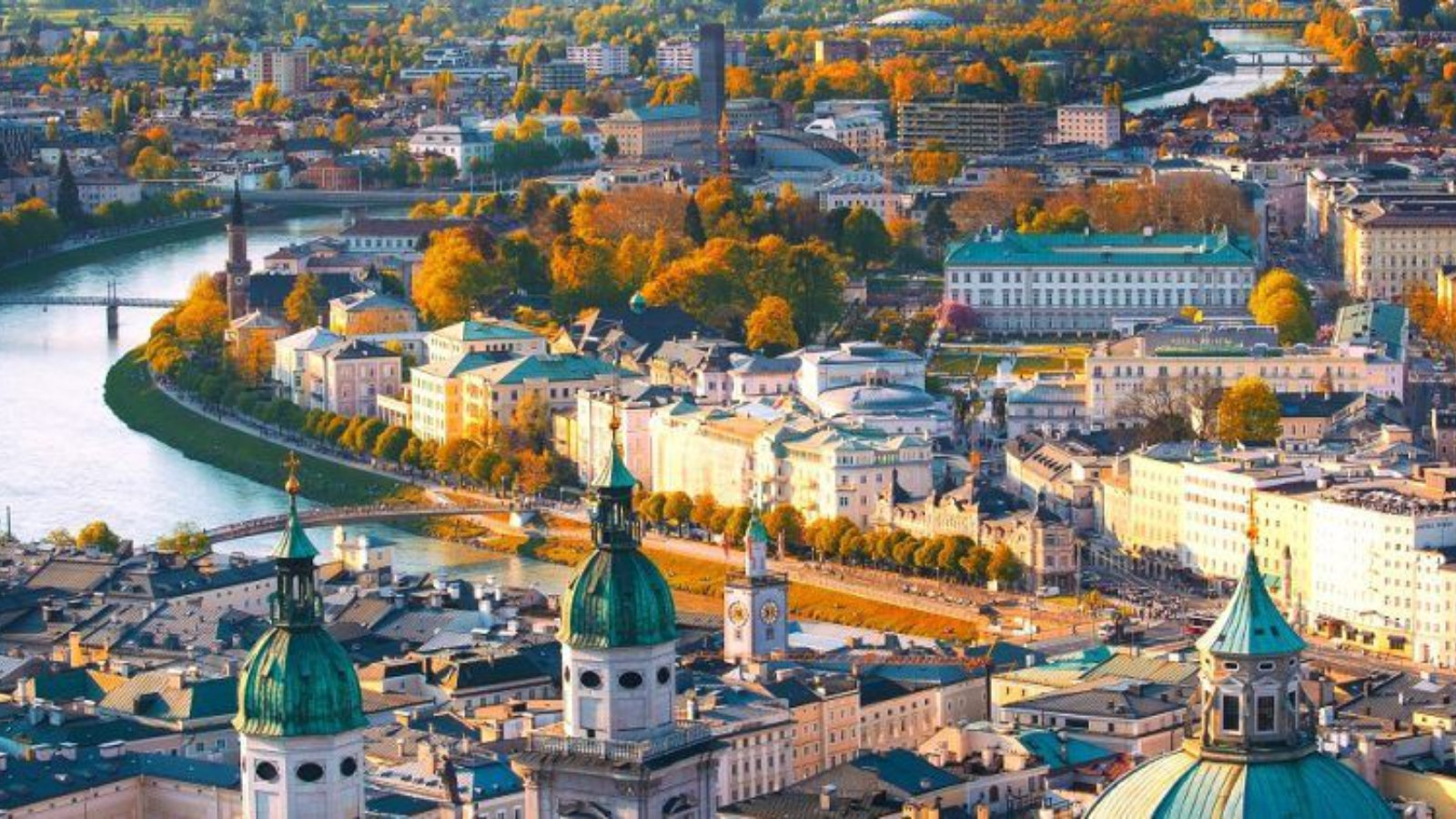
Vienna was the center of the Habsburg Empire for centuries and remains one of Europe's most architecturally impressive capitals.
The city's historic center is filled with palaces, churches, museums, monuments, and grand buildings.
Walking through Vienna often feels like moving through different chapters of European history.
The Ringstrasse encircles the historic center and is lined with impressive landmarks, including the Vienna State Opera, Parliament, City Hall, Burgtheater, and museums.
The city's classical music heritage is equally important.
Mozart, Beethoven, Schubert, Strauss, and other composers are closely associated with Vienna.
"Vienna is a city where history is not confined to museums—it is built into every grand boulevard and palace."
Hofburg Palace
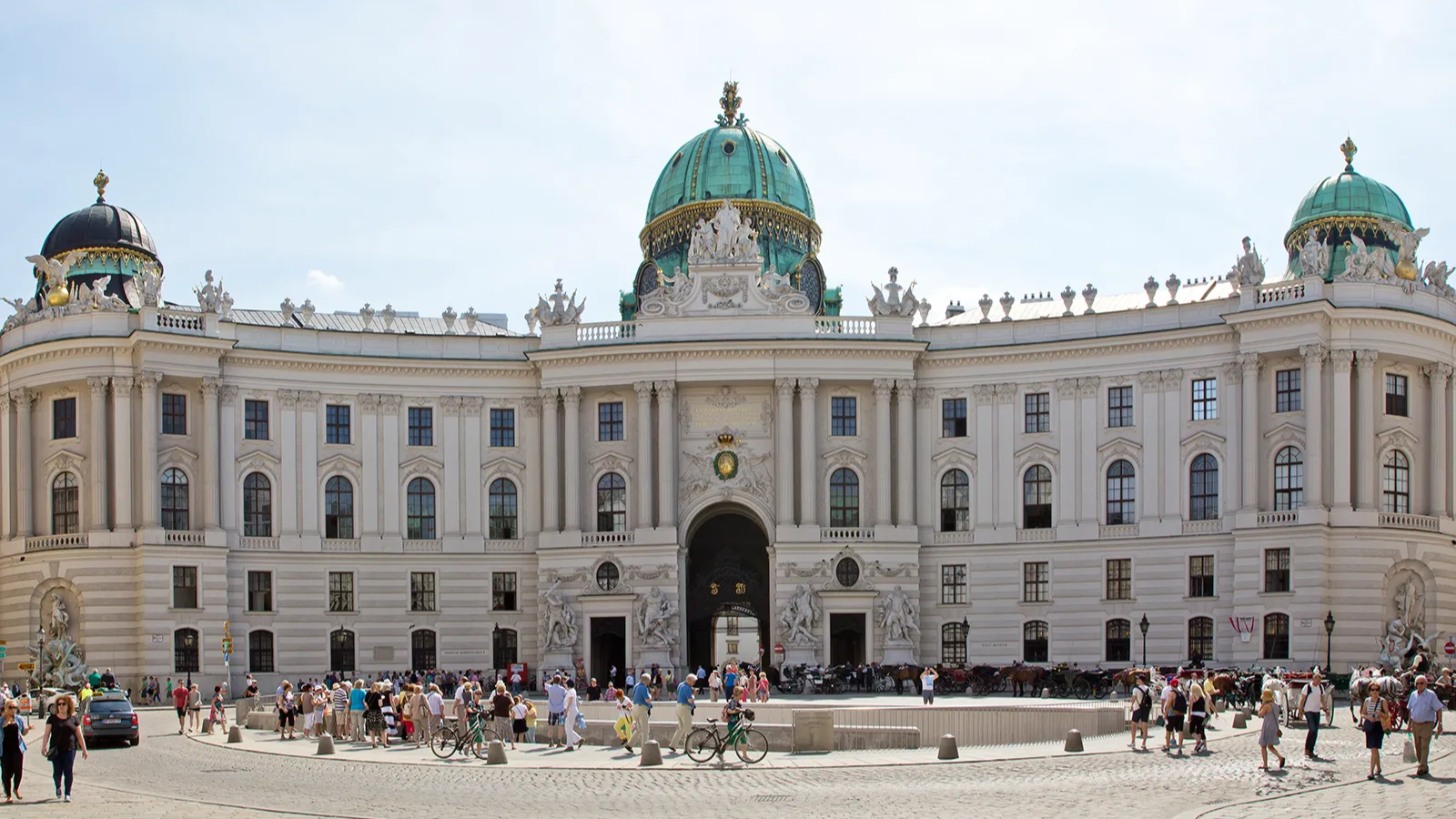
Hofburg Palace is one of Vienna's most important historic complexes.
For centuries, it served as the principal imperial residence of the Habsburg rulers.
Today, the enormous complex houses museums, government institutions, historic apartments, and cultural attractions.
Visitors can explore imperial rooms and learn about the lives of the Habsburg family.
The surrounding area is equally impressive, with grand courtyards, monuments, and historic streets.
"Hofburg Palace provides a fascinating glimpse into the power and ceremony of the Habsburg imperial world."
Schönbrunn Palace
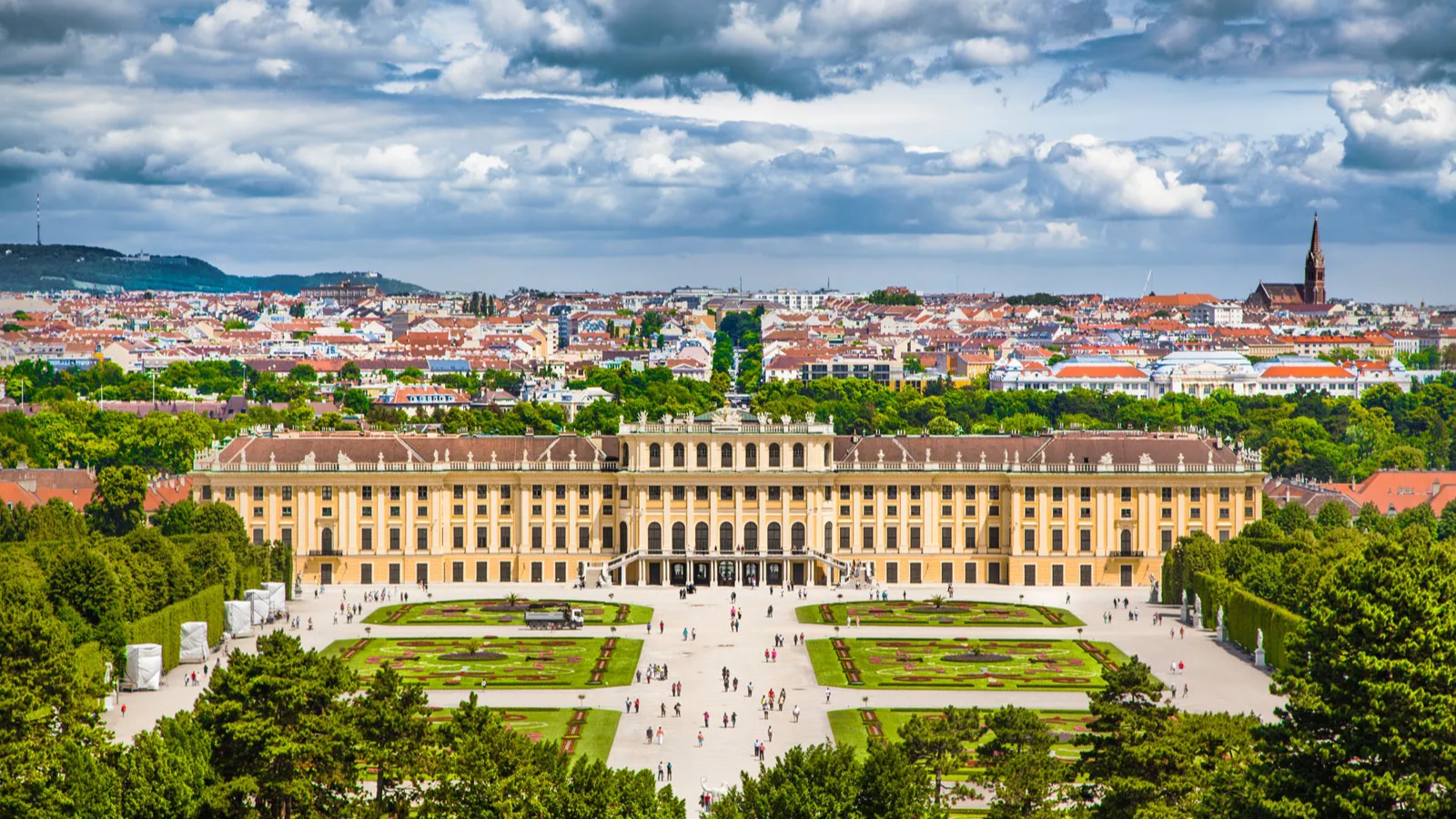
Schönbrunn Palace is one of Vienna's most famous attractions and a must-visit for travelers interested in Vienna imperial architecture.
The former imperial summer residence is surrounded by extensive gardens and landscaped grounds.
Inside, visitors can explore richly decorated rooms associated with the Habsburg monarchy.
The gardens provide another reason to spend several hours here.
The elevated Gloriette offers beautiful views toward the palace and surrounding city.
"Schönbrunn isn't simply a palace—it is an entire imperial landscape designed to impress."
St. Stephen's Cathedral
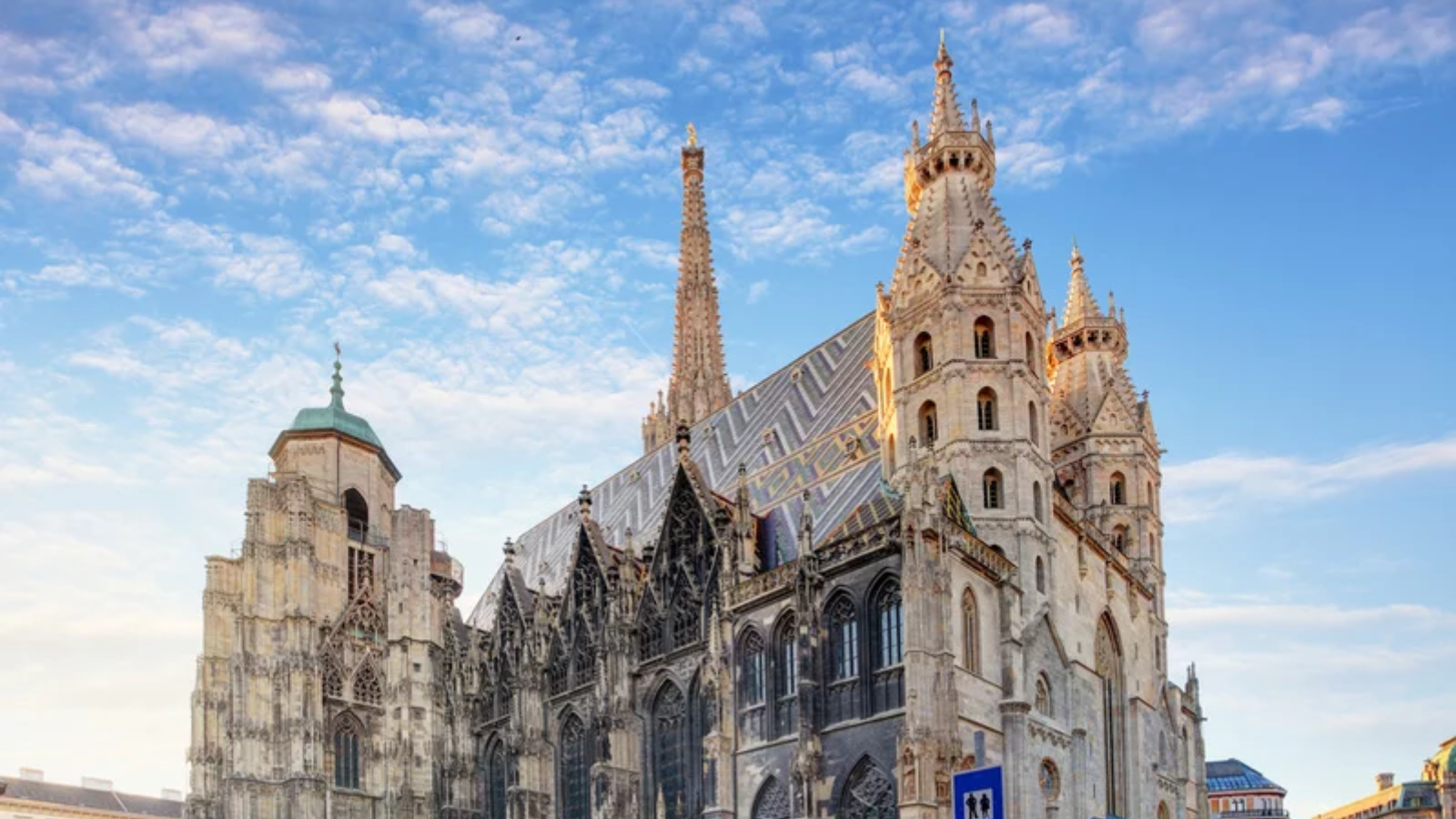
Located in the heart of Vienna, St. Stephen's Cathedral is one of the city's most recognizable landmarks.
Its distinctive roof, Gothic architecture, and towering spire dominate the surrounding Stephansplatz.
Visitors can admire the cathedral from outside or explore its interior.
Depending on current access arrangements, visitors may also have opportunities to experience elevated views from the towers.
The surrounding pedestrian streets make this an excellent starting point for exploring central Vienna.
"St. Stephen's Cathedral has watched over Vienna for centuries and remains the city's spiritual and architectural symbol."
Ringstrasse: Vienna's Grand Boulevard
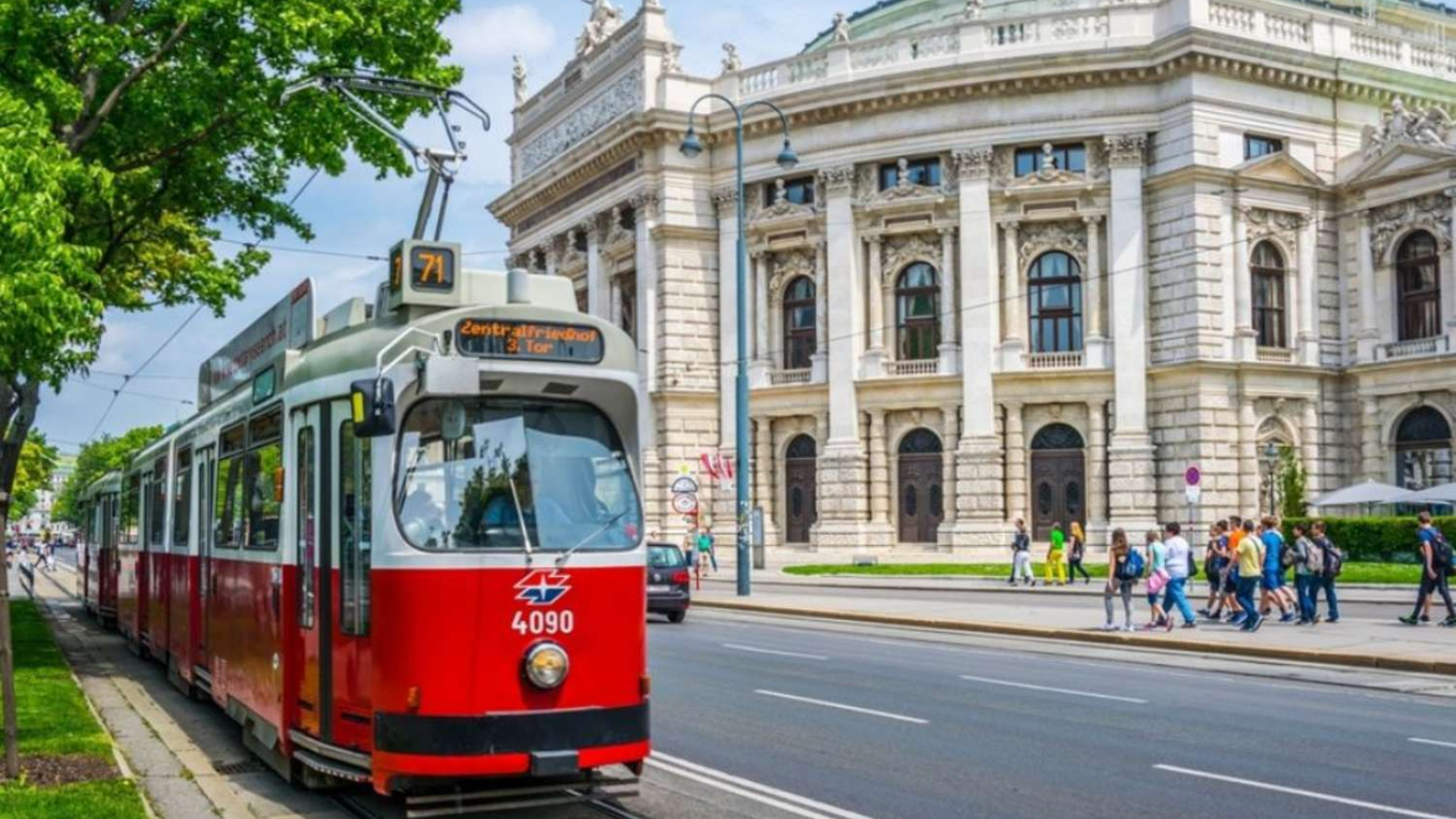
The Ringstrasse is one of the best ways to understand Vienna's imperial transformation.
The boulevard surrounds the historic city center and passes numerous monumental buildings.
Travelers can explore sections on foot, use public transportation, or take a sightseeing tram.
Important landmarks along the route include Parliament, Vienna City Hall, Burgtheater, the Vienna State Opera, and several major museums.
"The Ringstrasse is an open-air introduction to Vienna's imperial ambition and architectural elegance."
Vienna State Opera
The Vienna State Opera is one of the world's most prestigious opera houses.
Even travelers who are not passionate about opera can appreciate the building's architecture and cultural importance.
If attending a performance interests you, check the official schedule and ticket availability ahead of time.
Visitors can also explore the surrounding area, which includes some of Vienna's most elegant streets and historic buildings.
"In Vienna, music isn't simply entertainment—it is part of the city's identity."
Vienna's Famous Coffeehouse Culture
Vienna's coffeehouse tradition is an important part of its cultural heritage.
Historic cafés have long served as places where people meet, read newspapers, discuss ideas, and spend leisurely afternoons.
Traditional choices can include Viennese coffee specialties accompanied by cakes and pastries.
The experience is less about drinking coffee quickly and more about slowing down.
"A Viennese coffeehouse invites you to pause, sit back, and experience the city at a slower pace."
Sachertorte and Austrian Desserts
Food is an important part of any Vienna travel guide.
Sachertorte is one of the city's most famous desserts, traditionally consisting of chocolate cake with apricot jam and a chocolate glaze.
Other Austrian specialties worth trying include apple strudel, Kaiserschmarrn, schnitzel, goulash, and various pastries.
Travelers should explore both traditional restaurants and neighborhood cafés.
"Vienna's dessert culture proves that sometimes the sweetest part of sightseeing happens around a café table."
Budapest: The Pearl of the Danube
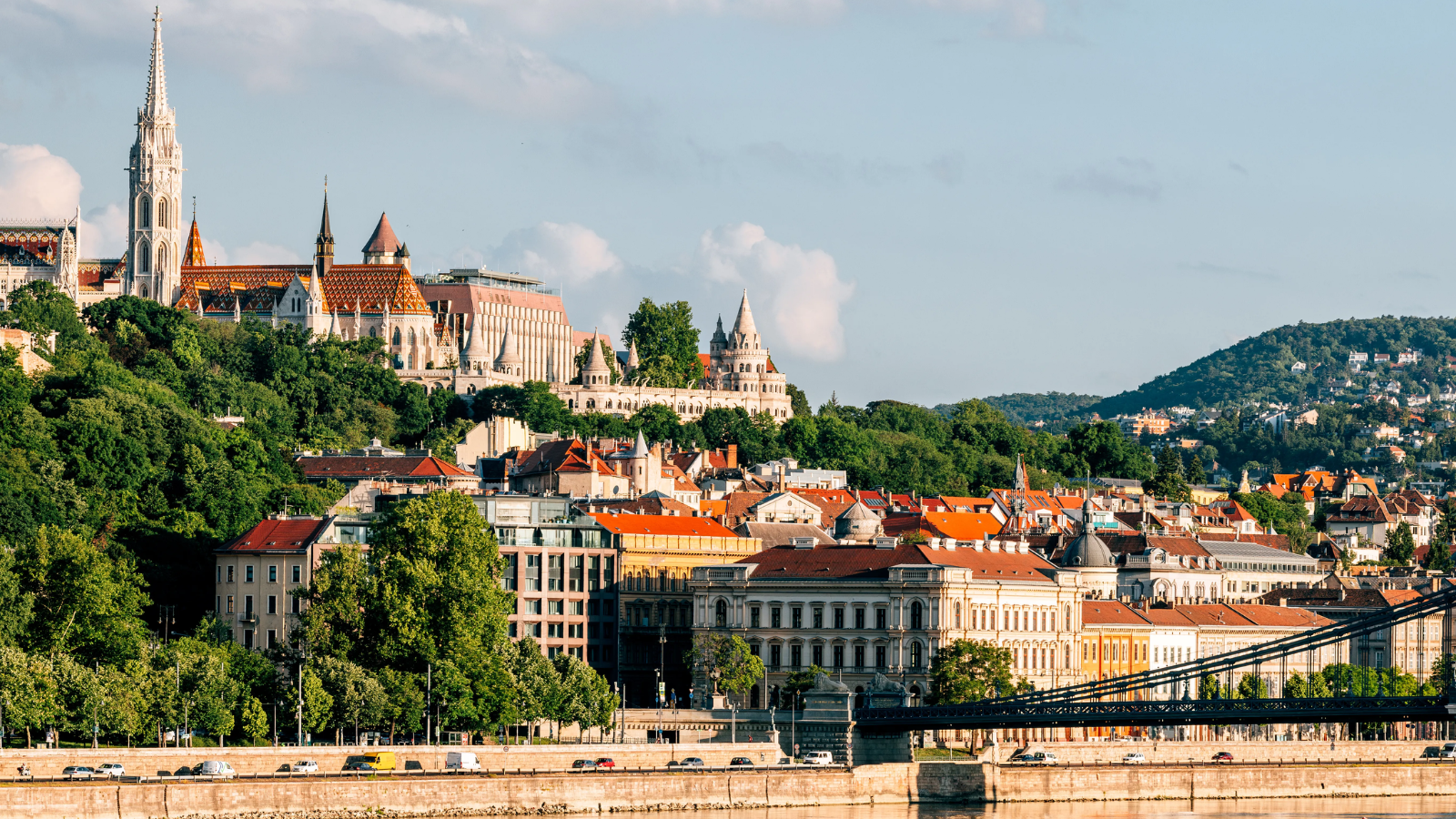
Budapest offers a dramatically different experience.
The city was formed from the historic areas of Buda, Óbuda, and Pest, which were unified in the nineteenth century.
The Danube divides Buda from Pest and gives the city its distinctive character.
Buda is known for hills, castles, historic neighborhoods, and panoramic views.
Pest is flatter and more urban, with Parliament, shopping streets, cafés, restaurants, markets, and nightlife.
Together, they create one of Europe's most visually impressive capitals.
"Budapest feels like two cities joined by one magnificent river."
Hungarian Parliament Building
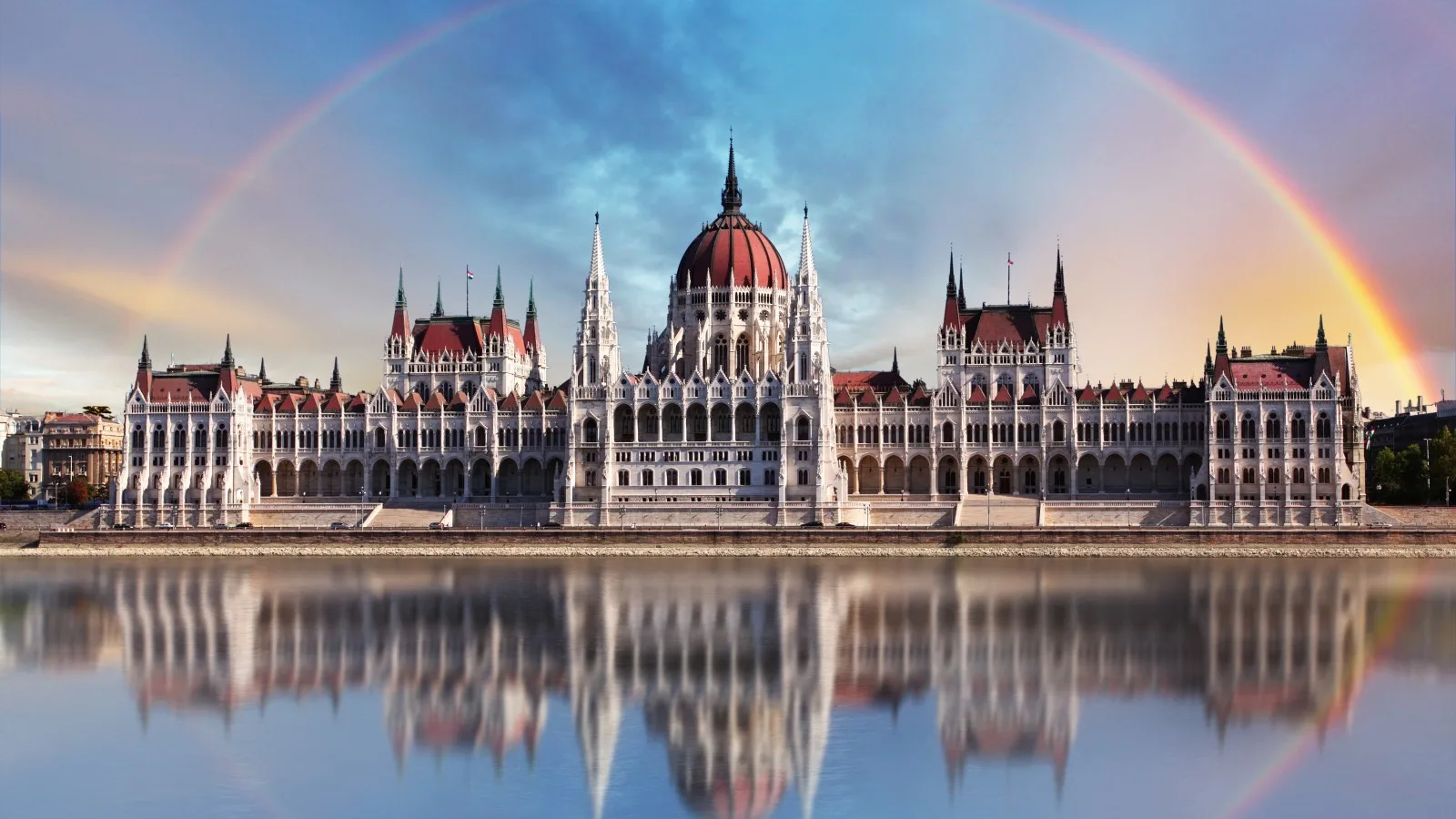
The Hungarian Parliament Building is one of Budapest's most recognizable landmarks.
Located along the Danube, its Gothic Revival architecture creates an extraordinary riverside silhouette.
The building is particularly impressive when viewed from across the river.
At night, illumination creates another memorable perspective.
Guided visits inside may be available depending on current schedules and access requirements, so travelers should check official information before planning.
"Budapest's Parliament isn't just a government building—it is one of Europe's great architectural landmarks."
Buda Castle
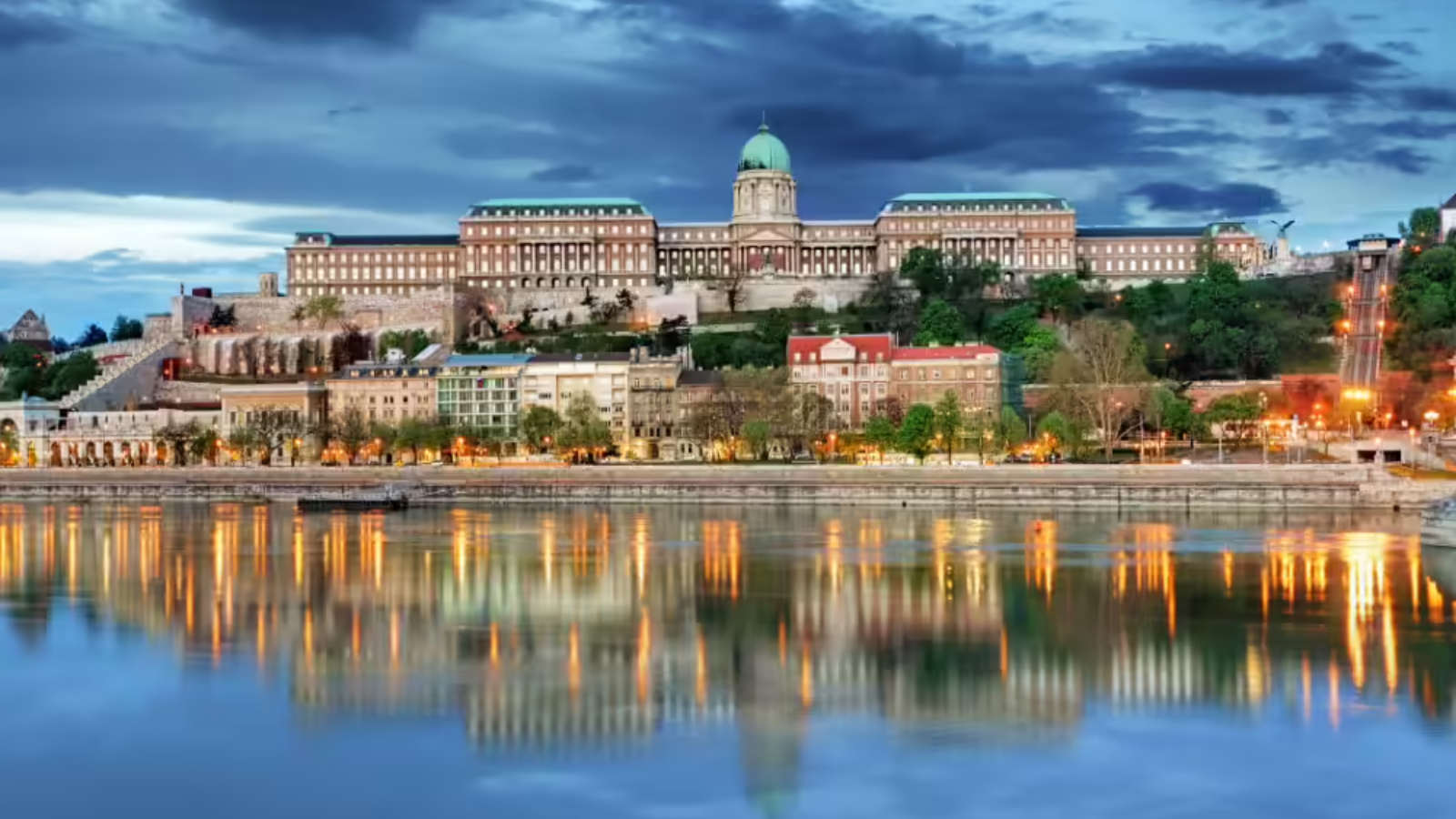
Buda Castle sits high above the Danube on Castle Hill.
The historic complex offers impressive views toward Pest and the river.
The surrounding Castle District is worth exploring slowly, with historic streets, churches, courtyards, museums, and viewpoints.
The area becomes particularly atmospheric around sunset.
"Buda Castle combines history, architecture, and some of the best panoramic views in Budapest."
Fisherman's Bastion
Fisherman's Bastion is one of Budapest's most photographed locations.
Its distinctive towers and terraces overlook the Danube and Parliament.
The architecture creates an almost fairytale atmosphere.
Morning and evening can both offer beautiful photography conditions, while early visits may provide a quieter experience.
"From Fisherman's Bastion, Budapest looks less like a modern capital and more like a European storybook."
Matthias Church
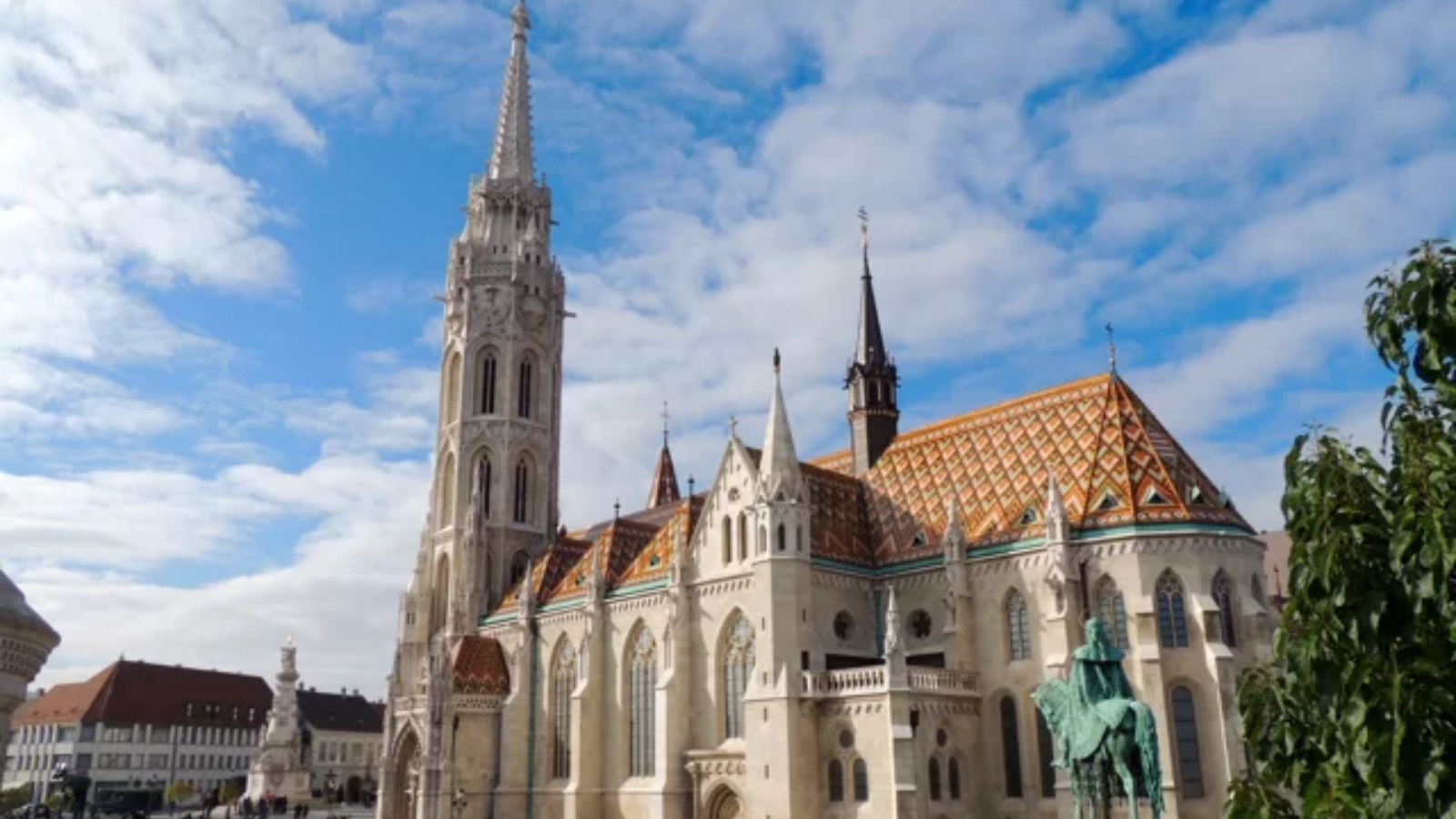
Located beside Fisherman's Bastion, Matthias Church is another important landmark in the Castle District.
Its colorful tiled roof and Gothic architecture make it particularly distinctive.
The church has played an important role in Hungarian history and has undergone significant restoration over the centuries.
Together, Matthias Church and Fisherman's Bastion form one of Budapest's essential sightseeing areas.
"The Castle District demonstrates how Budapest's history remains woven into the city's everyday landscape."
Chain Bridge
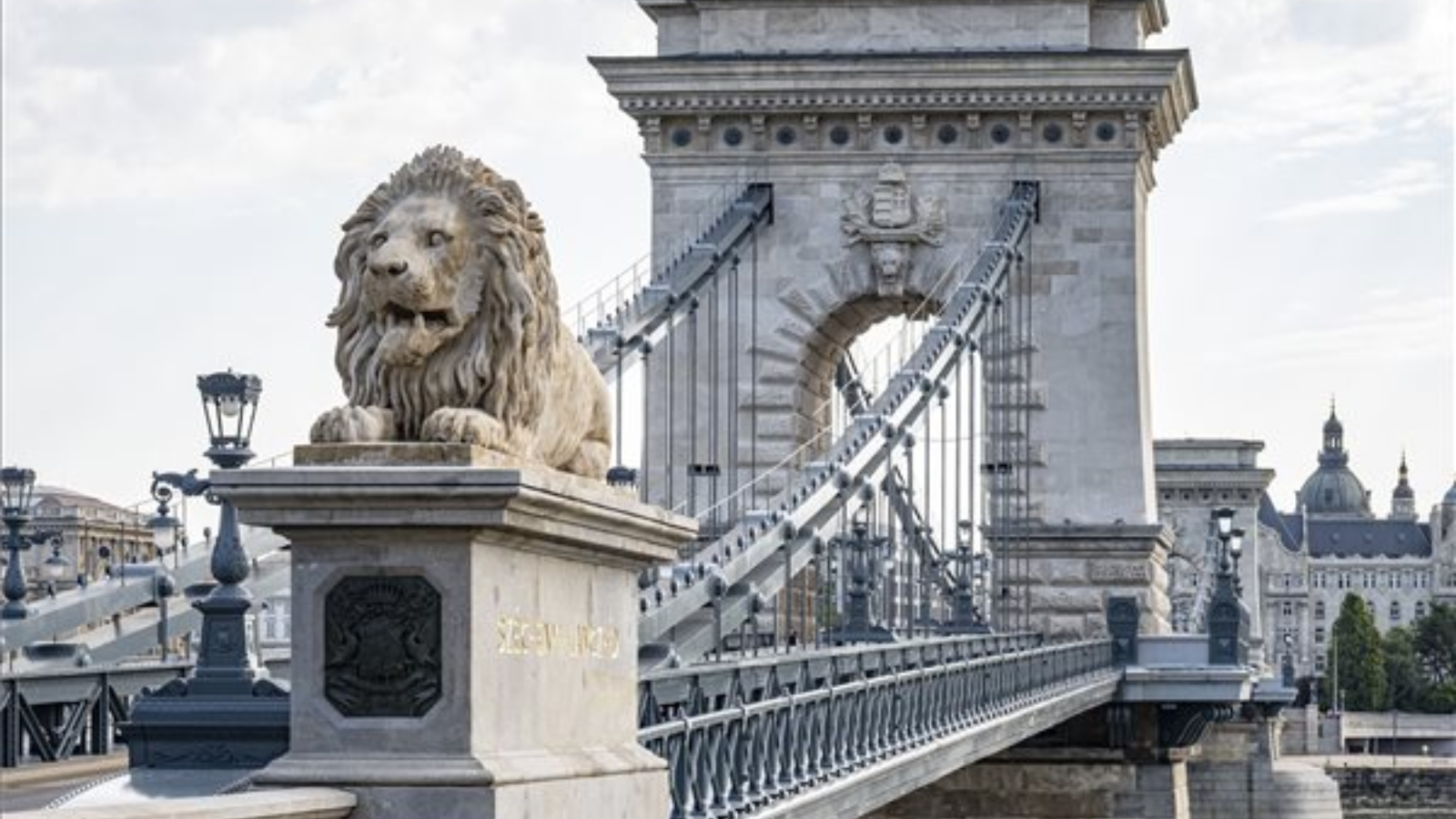
The Széchenyi Chain Bridge is one of Budapest's most famous bridges.
Connecting Buda and Pest across the Danube, it has become an important symbol of the city.
Walking across the bridge provides excellent views toward the Parliament Building, Buda Castle, and the river.
The bridge is especially atmospheric after sunset when Budapest's landmarks begin to glow.
"Crossing the Chain Bridge is more than getting from Buda to Pest—it is one of the city's essential experiences."
Danube River Cruise in Budapest
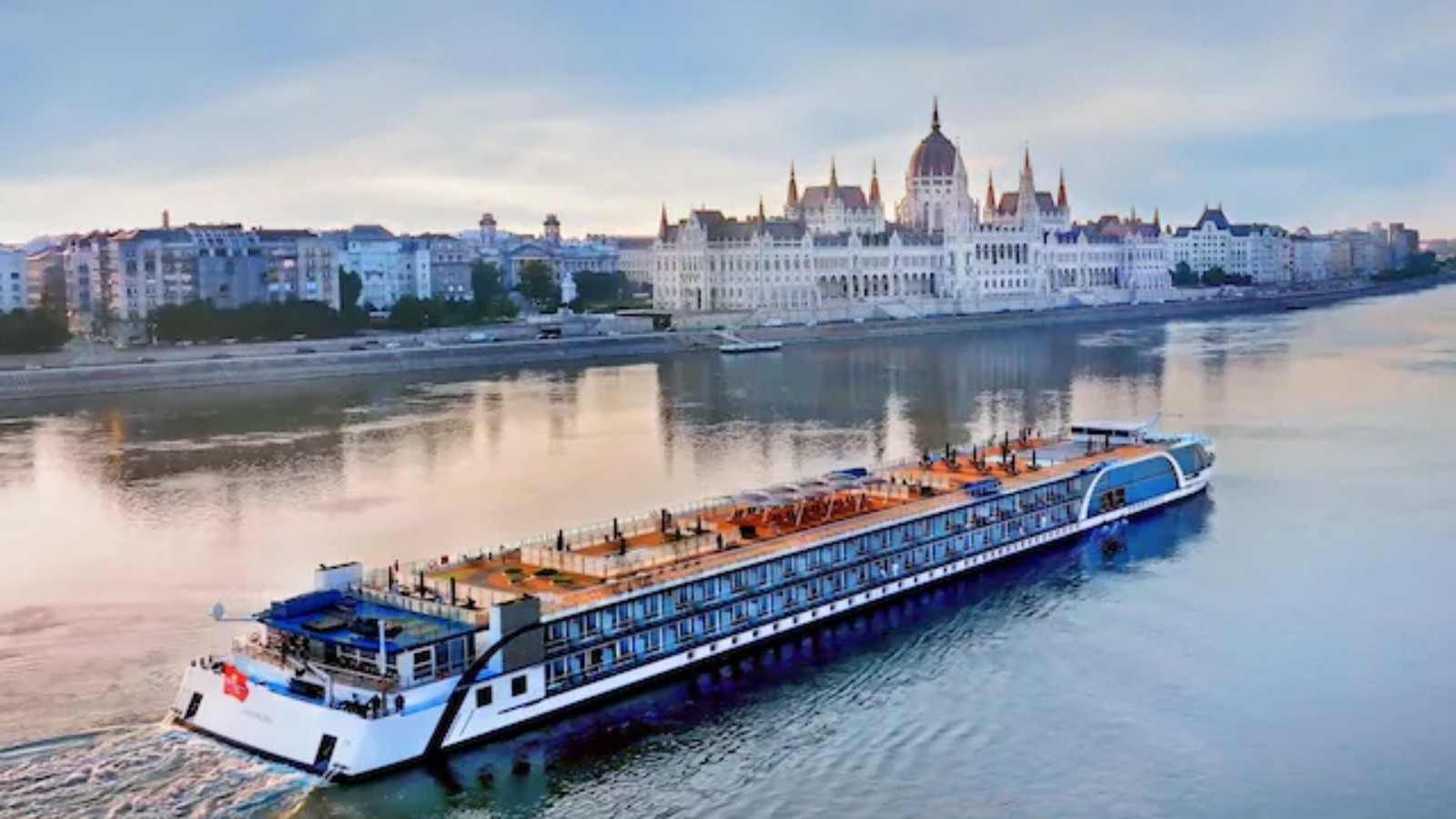
A Danube River cruise is one of the best ways to experience Budapest.
The river provides spectacular views of Parliament, Buda Castle, Fisherman's Bastion, bridges, churches, and other landmarks.
Day cruises offer excellent sightseeing opportunities, while evening cruises reveal Budapest illuminated against the night sky.
Some cruises include dinner or drinks, while others focus on sightseeing.
Compare the duration, inclusions, departure point, and seating arrangements before booking.
"Budapest's greatest landmarks become even more dramatic when seen from the Danube."
Danube River Experiences in Vienna
The Danube also plays an important role in Vienna, although its character is different from Budapest.
Vienna's river areas include recreational spaces, cycling routes, parks, and modern developments.
River cruises and boat trips can provide another perspective of the city and surrounding region.
For travelers who enjoy cycling, walking, or outdoor activities, exploring sections of the Danube can be a pleasant change from traditional sightseeing.
"In Vienna, the Danube offers a quieter contrast to the city's imperial center."
Budapest Thermal Baths
Budapest is famous for its thermal bath culture.
The city sits above natural thermal springs, and bathing has been an important part of its history for centuries.
Széchenyi Thermal Bath is among the most famous options, with large outdoor and indoor pools.
Gellért Baths is another historic bathing complex known for its architecture.
Bath experiences vary, so check current operating hours, entry arrangements, and bathing requirements before visiting.
"In Budapest, relaxation is not an afterthought—it is part of the city's heritage."
Budapest's Central Market Hall
Central Market Hall is a great place to experience Hungarian food and everyday shopping culture.
Visitors can browse stalls selling produce, spices, paprika, traditional foods, souvenirs, and other local products.
It can be a useful stop for travelers looking to sample Hungarian flavors or purchase gifts.
"A market visit offers a delicious introduction to the everyday side of Budapest."
Hungarian Food You Should Try
Hungarian cuisine is hearty and flavorful.
Goulash is one of the country's most famous dishes, while chicken paprikash, lángos, stuffed cabbage, sausages, and various pastries offer additional choices.
Paprika is an important ingredient in Hungarian cooking.
Travelers should also try local desserts and traditional pastries.
Vegetarian travelers will find options, although checking ingredients can be useful for dishes traditionally prepared with meat.
"Hungarian food combines comfort, tradition, and bold flavors in a way that perfectly suits the country's climate and history."
Vienna vs. Budapest: Two Different Experiences
Vienna and Budapest share imperial history and the Danube, but their atmospheres are noticeably different.
Vienna is ideal for travelers interested in palaces, classical music, museums, elegant cafés, and refined architecture.
Budapest appeals to travelers looking for dramatic city views, thermal baths, riverside architecture, lively neighborhoods, markets, and nightlife.
Instead of choosing one over the other, combining them creates a richer Central European holiday.
"Vienna feels imperial and polished; Budapest feels dramatic, youthful, and wonderfully eclectic."
Best Time to Visit Vienna and Budapest
Both cities can be visited throughout the year.
Spring brings pleasant temperatures and blooming gardens.
Summer offers long days and lively outdoor activities but can be busier.
Autumn creates beautiful scenery and comfortable sightseeing conditions.
Winter brings festive markets and atmospheric city centers, although temperatures can be cold.
Travelers interested in Christmas markets may particularly enjoy visiting during the winter holiday season.
"Every season gives Vienna and Budapest a different personality, from spring gardens to winter markets."
Getting from Vienna to Budapest
Vienna and Budapest are well connected by rail and other transportation options.
Train travel is often a convenient way to move between the two cities because it avoids airport procedures and takes you directly between city centers.
The journey can easily fit into a multi-city Central European itinerary.
Check current schedules, journey times, and ticket conditions before booking.
"The journey between Vienna and Budapest is simple enough that both cities can feel like part of one seamless holiday."
Getting Around Vienna
Vienna has an extensive public transportation system consisting of underground trains, trams, buses, and regional services.
The historic center is also highly walkable.
Many major attractions are relatively close together, allowing travelers to combine walking with public transportation.
Consider grouping attractions by neighborhood to minimize unnecessary travel.
"Vienna is a city where public transport gets you there, but walking helps you understand it."
Getting Around Budapest
Budapest also has an extensive public transportation system, including metro lines, trams, buses, and other services.
The city is relatively easy to explore without relying heavily on taxis.
Walking is particularly enjoyable along the Danube and through the historic districts.
Check current ticketing requirements and transport information before traveling.
"Budapest's public transport makes it easy to move between its historic hills, busy streets, and riverside attractions."
Vienna and Budapest for Indian Travelers
Both cities are popular additions to European holidays from India.
Indian travelers can find Indian restaurants and vegetarian options in both destinations, although local cuisine is well worth experiencing.
The cities can also be combined with other European destinations depending on the duration of the holiday.
A longer itinerary might include Vienna, Budapest, Prague, and Bratislava.
Travelers should ensure they have the appropriate Schengen documentation and meet all current entry requirements before traveling.
"For Indian travelers, Vienna and Budapest provide an excellent introduction to Central Europe's history, architecture, food, and culture."
Shopping in Vienna
Vienna offers a mixture of luxury shopping, department stores, independent boutiques, traditional products, and souvenir shops.
Kärntner Straße and the surrounding central shopping areas are popular with visitors.
Travelers interested in traditional Austrian products can look for chocolates, confectionery, handicrafts, and other locally inspired souvenirs.
"Vienna turns shopping into another opportunity to experience its elegant personality."
Shopping in Budapest
Budapest offers a wider range of shopping experiences, from modern shopping streets to traditional markets and independent stores.
Travelers can look for Hungarian paprika, sweets, handicrafts, ceramics, wines, and other locally inspired products.
The city's markets can be particularly interesting for visitors who prefer authentic souvenirs over generic tourist items.
"Budapest makes souvenir shopping more personal when you look beyond the standard tourist stores."
Suggested 6-Day Vienna and Budapest Itinerary
A six-day itinerary can provide a comfortable introduction to both cities.
Spend the first three days in Vienna.
Begin with the historic center, St. Stephen's Cathedral, Hofburg Palace, and Ringstrasse.
Use another day for Schönbrunn Palace, gardens, museums, and Vienna's café culture.
Reserve the third day for additional museums, the Vienna State Opera area, shopping, and relaxed exploration.
Travel to Budapest on the fourth day.
Explore the Parliament area, Danube promenade, Chain Bridge, and Pest during your first Budapest day.
Spend the fifth day exploring Buda Castle, Fisherman's Bastion, Matthias Church, and Castle Hill.
Use your final day for the thermal baths, Central Market Hall, additional sightseeing, shopping, and an evening Danube cruise.
"The ideal Vienna and Budapest itinerary balances grand sightseeing with enough time to simply enjoy the cities."
Vienna and Budapest for Couples
The two cities are excellent destinations for couples.
Vienna offers elegant cafés, classical concerts, palace gardens, and romantic evening walks.
Budapest provides sunset views from Castle Hill, illuminated bridges, thermal baths, and Danube cruises.
A customized Vienna Budapest honeymoon package can combine luxury hotels, private transfers, romantic dinners, sightseeing, and river experiences.
"From Viennese cafés to Budapest's glowing skyline, Central Europe offers romance in two very different forms."
Vienna and Budapest for Families
Families can also enjoy both destinations.
Vienna offers museums, palaces, parks, and family-friendly attractions.
Budapest provides castles, river cruises, markets, and thermal bath experiences.
Avoid trying to visit too many museums or historical buildings in a single day.
Mix cultural sightseeing with outdoor activities and relaxed meals.
"The best family holiday in Vienna and Budapest is one that combines discovery with plenty of time to simply enjoy being together."
Travel Tips for First-Time Visitors
Wear comfortable shoes because both cities reward walking.
Carry layers, particularly during spring and autumn.
Book major attractions and popular river cruises ahead during busy periods.
Check current museum schedules before visiting.
Keep valuables secure in crowded tourist areas and public transport.
Learn a few basic local expressions, although English is widely used in major tourist areas.
Don't rush through the cities simply to collect photographs. Give yourself time to sit in cafés, walk along the river, and explore neighborhoods.
"The most memorable Central European experiences often happen between the attractions."
Why Choose TrawelMart for Your Vienna and Budapest Holiday?
Planning a multi-city European holiday requires careful coordination of accommodation, transportation, sightseeing, attraction tickets, and travel time.
At TrawelMart, we create customized Vienna Budapest tour packages for couples, families, groups, honeymooners, and first-time European travelers.
Your itinerary can include Schönbrunn Palace, Hofburg Palace, Vienna's historic center, Budapest Parliament, Buda Castle, Fisherman's Bastion, thermal baths, Danube cruises, local food experiences, and other attractions.
For travelers planning a Vienna Budapest trip from India, we can also combine these destinations with Prague, Bratislava, Salzburg, or other European cities depending on your available time.
Our goal is to create an itinerary that combines important sightseeing with comfortable travel and enough flexibility to enjoy each destination.
"From imperial palaces in Vienna to illuminated bridges in Budapest, TrawelMart helps turn a Central European itinerary into a seamless travel experience."
Conclusion
Vienna and Budapest offer two extraordinary perspectives on Central European history.
Vienna impresses with imperial palaces, grand boulevards, classical music, museums, elegant cafés, and centuries of Habsburg heritage.
Budapest captivates visitors with its dramatic Danube views, Parliament Building, historic castle district, thermal baths, bridges, markets, and vibrant atmosphere.
The Danube connects the two cities while giving each destination its own distinctive character.
For Indian travelers, combining Vienna and Budapest creates an excellent European holiday that blends history, architecture, culture, food, relaxation, and unforgettable scenery.
Whether you're planning a honeymoon, family vacation, cultural journey, or first Central Europe travel experience, these two cities offer enough variety to make every day different.
With a carefully planned Vienna Budapest holiday package from TrawelMart, you can experience magnificent palaces, historic streets, traditional cafés, thermal baths, Danube cruises, and spectacular city views without the stress of coordinating every detail yourself.
"Vienna preserves the grandeur of an empire, Budapest reflects it across the Danube, and together they create one of Europe's most unforgettable journeys."