
Europe is full of destinations that offer history, architecture, culture, food, and unforgettable experiences. But if you want to explore several different sides of the continent in one holiday, an Eastern Europe tour can be an excellent choice.
Munich, Berlin, Prague, and Budapest each have their own identity. Munich combines Bavarian traditions with elegant architecture and lively city life. Berlin is known for its fascinating history, modern culture, museums, and creative atmosphere. Prague feels like a living fairytale, with medieval streets, castles, bridges, and beautiful old-town buildings. Budapest adds grand architecture, thermal baths, the Danube River, and a vibrant nightlife scene.
Together, these four cities create a diverse European journey.
A well-planned Eastern Europe holiday allows you to move from Germany into the Czech Republic and Hungary while experiencing different cuisines, languages, traditions, and historical periods along the way.
For Indian travelers planning their first multi-city European vacation, this route can also be an exciting alternative to the more traditional Paris-London-Switzerland itinerary.
Why Choose Munich, Berlin, Prague, and Budapest?
One of the biggest advantages of this route is variety.
Munich gives you a taste of traditional Bavaria while still offering the convenience and attractions of a modern European city. Berlin introduces a much more contemporary atmosphere and provides some of Europe's most important historical sites.
Prague offers a charming old-world experience, with its castle, historic squares, churches, bridges, and cobbled streets.
Budapest combines history with relaxation. You can spend the morning exploring historic buildings, the afternoon enjoying a thermal bath, and the evening watching the city lights along the Danube.
The four cities also work well together for travelers who want to experience multiple European destinations without constantly changing hotels every one or two days.
Start Your Journey in Munich
Munich is an excellent introduction to Germany.
Located in Bavaria, the city is famous for its traditional culture, historic architecture, museums, parks, food, and connection with the Alps.
While Munich is internationally known for Oktoberfest, there is much more to the city than its famous beer festival.
The city centre is easy to explore on foot, and many major attractions are located around the historic old town.
Spend your first day getting familiar with Munich's central areas before moving on to museums, palaces, markets, and nearby attractions.
Explore Marienplatz
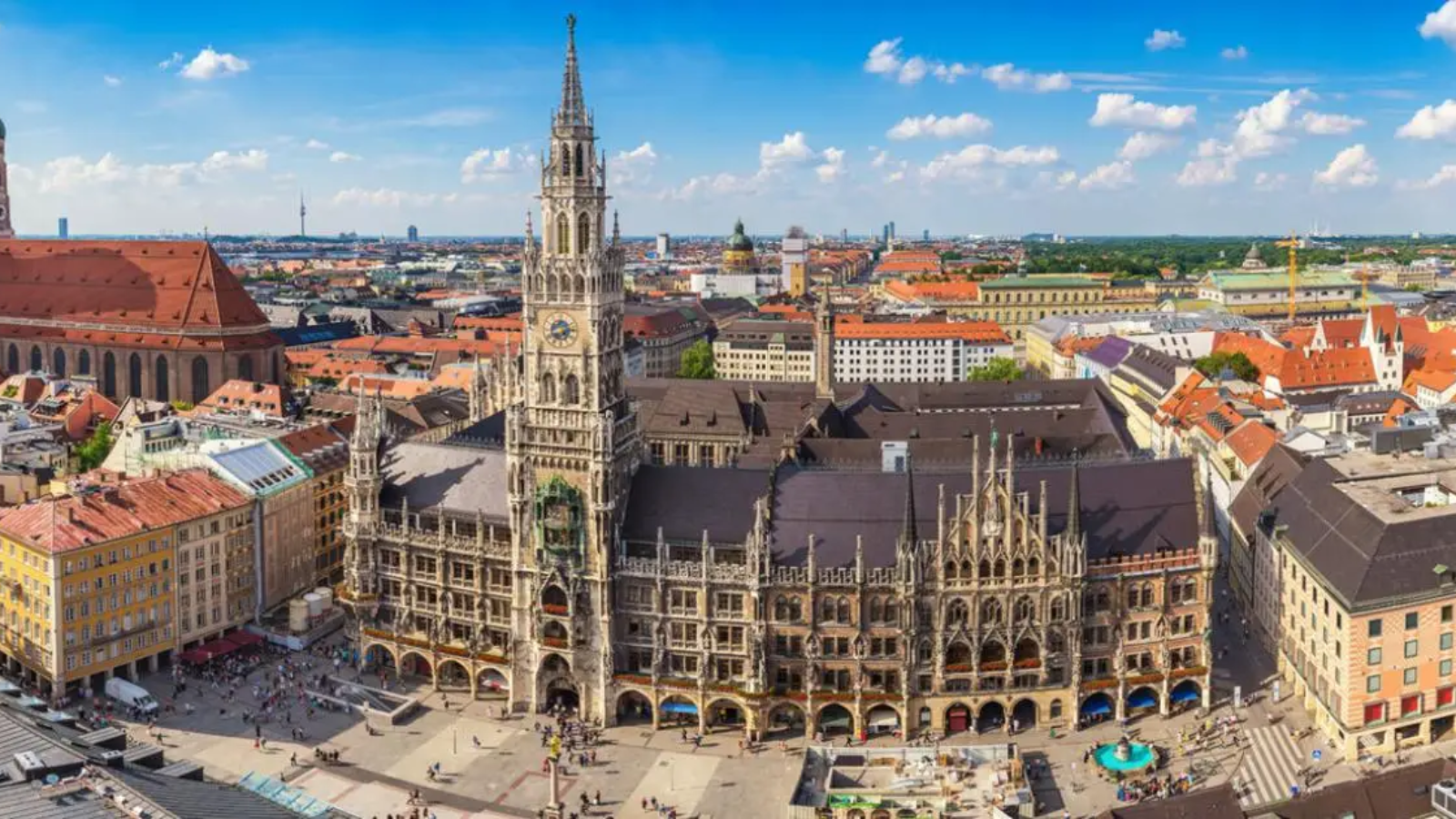
Marienplatz is the heart of Munich's historic centre.
The square is surrounded by impressive buildings and is one of the city's most popular meeting points.
The New Town Hall, or Neues Rathaus, dominates the square with its elaborate Gothic-style architecture.
One of the most famous attractions here is the Rathaus-Glockenspiel. Visitors gather around the square to watch its moving figures and listen to the bells.
Marienplatz is also a convenient starting point for exploring the rest of central Munich.
From here, you can walk toward churches, shopping streets, restaurants, and other historic attractions.
Visit the Frauenkirche
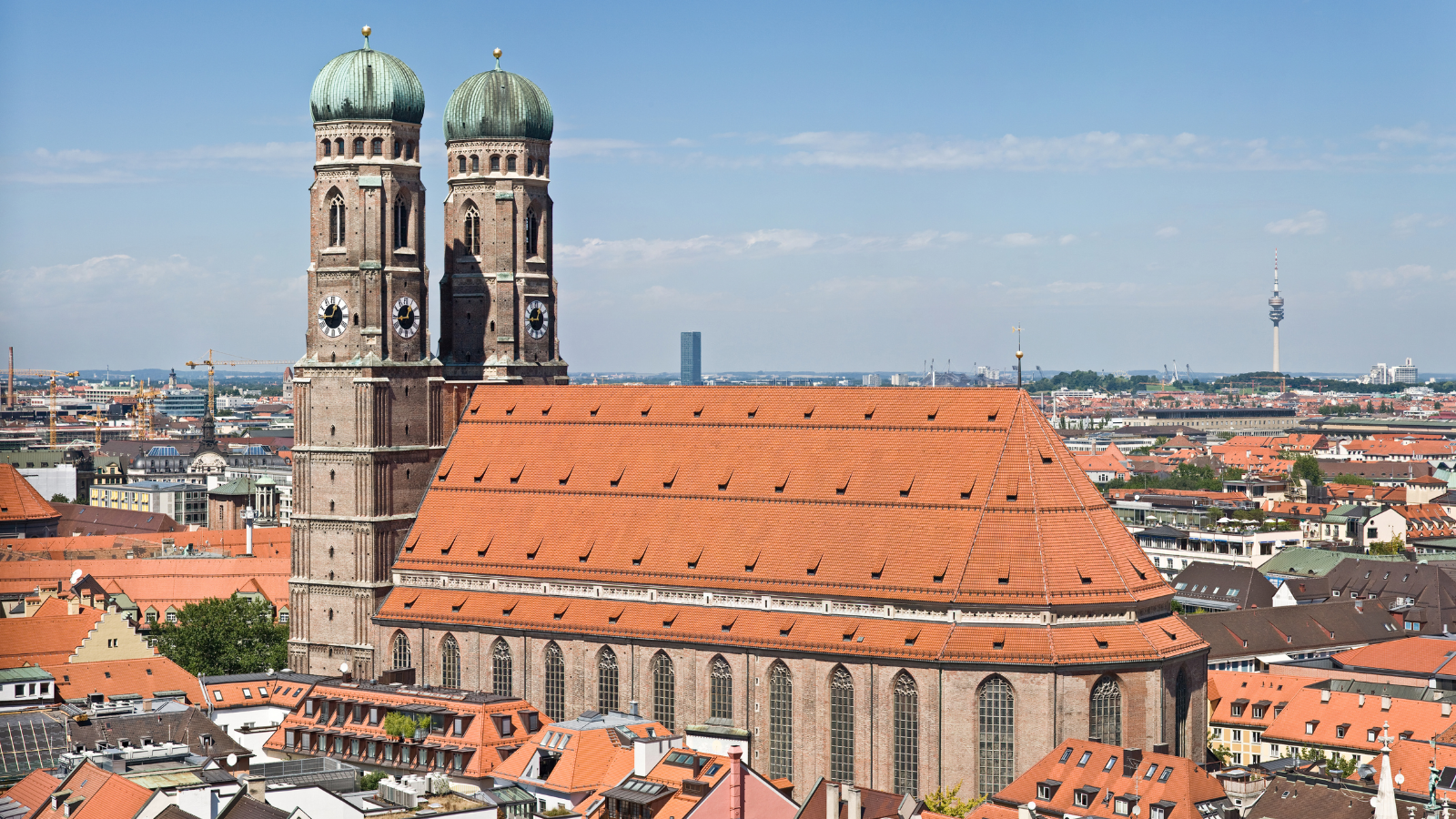
The Frauenkirche is one of Munich's most recognizable landmarks.
Its distinctive twin towers are visible from many parts of the city, and the church has become an important symbol of Munich.
The interior is relatively simple compared with some of Europe's highly decorated churches, but the building's scale and historic importance make it worth visiting.
Take some time to walk around the surrounding old town after visiting the church.
Munich's historic centre is best experienced slowly, with time to stop for coffee, browse shops, and discover small streets.
Discover Munich Residenz
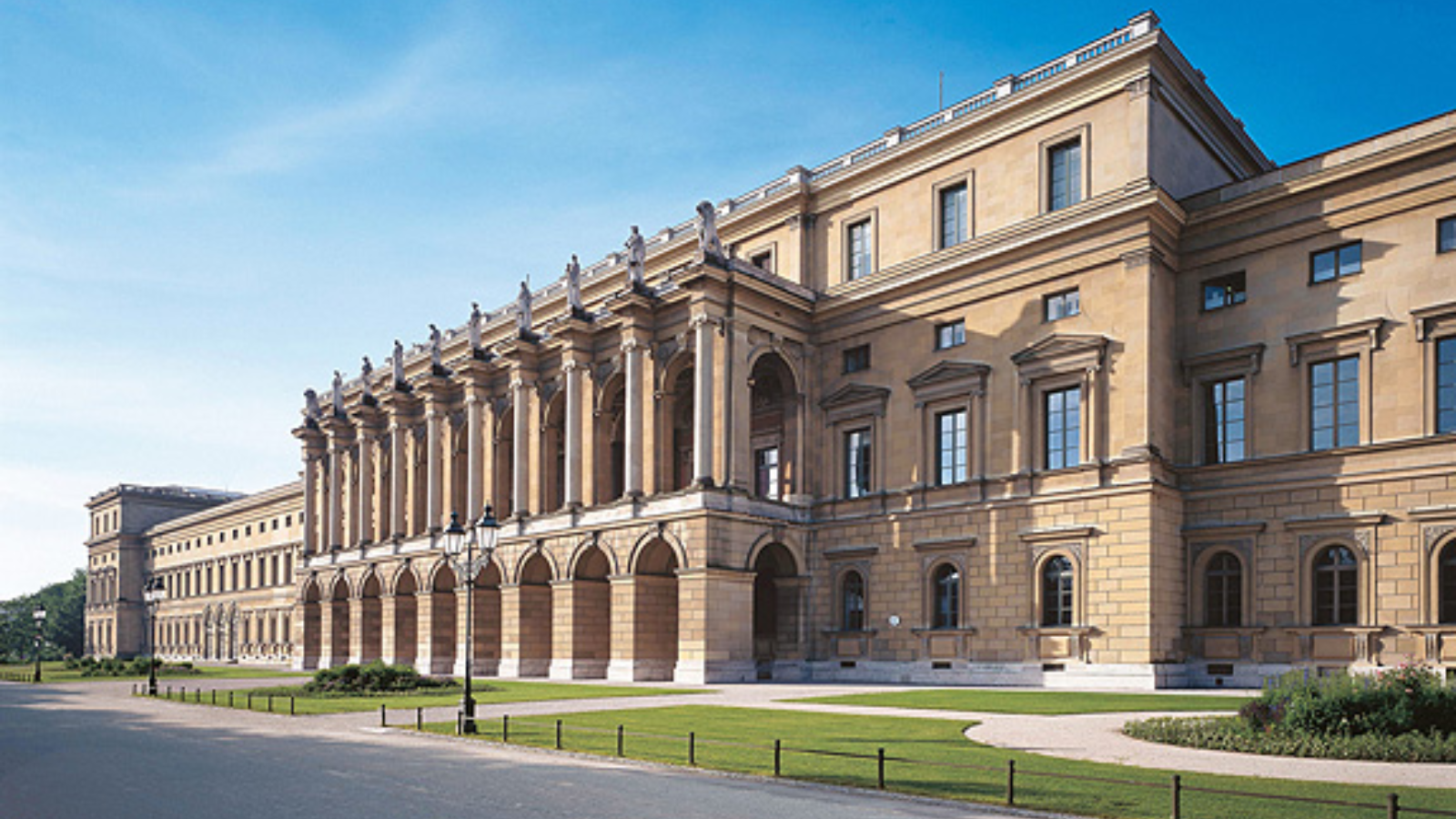
The Munich Residenz provides a glimpse into the city's royal history.
Once the residence of Bavarian rulers, the complex contains grand rooms, courtyards, collections, and elaborate interiors.
The building is much larger than it initially appears from the outside.
History and architecture lovers can spend several hours exploring the rooms and collections.
If your Germany tour includes Munich, the Residenz is an excellent place to understand Bavaria's royal past.
Experience Bavarian Food
Food is an important part of the Munich experience.
Traditional Bavarian dishes include sausages, pretzels, roast meats, potato dishes, and various regional specialties.
A visit to a traditional beer hall can also be part of the cultural experience, even if you do not drink alcohol.
Try local bakeries and restaurants to experience everyday Bavarian cuisine rather than focusing only on tourist restaurants.
Munich's food scene also includes international cuisine, vegetarian options, and restaurants suitable for different dietary preferences.
Consider a Munich Day Trip
If you have extra time, Munich's location makes it possible to explore attractions outside the city.
The Bavarian countryside and Alpine region offer beautiful landscapes, while historic castles and towns provide opportunities for day trips.
For travelers interested in scenery, combining Munich with a nearby mountain or countryside excursion can create a nice balance between city sightseeing and nature.
However, if your itinerary is short, spending your available time exploring Munich itself may be the better option.
Continue to Berlin
After Munich, travel north to Berlin.
Berlin is very different from Munich.
While Munich is strongly connected with Bavarian traditions and historic architecture, Berlin has a more modern, creative, and alternative personality.
The city has been shaped by some of the most important events in European history, including World War II and the division between East and West Germany during the Cold War.
Today, Berlin combines historic landmarks with contemporary art, museums, restaurants, neighbourhoods, and nightlife.
Visit the Brandenburg Gate
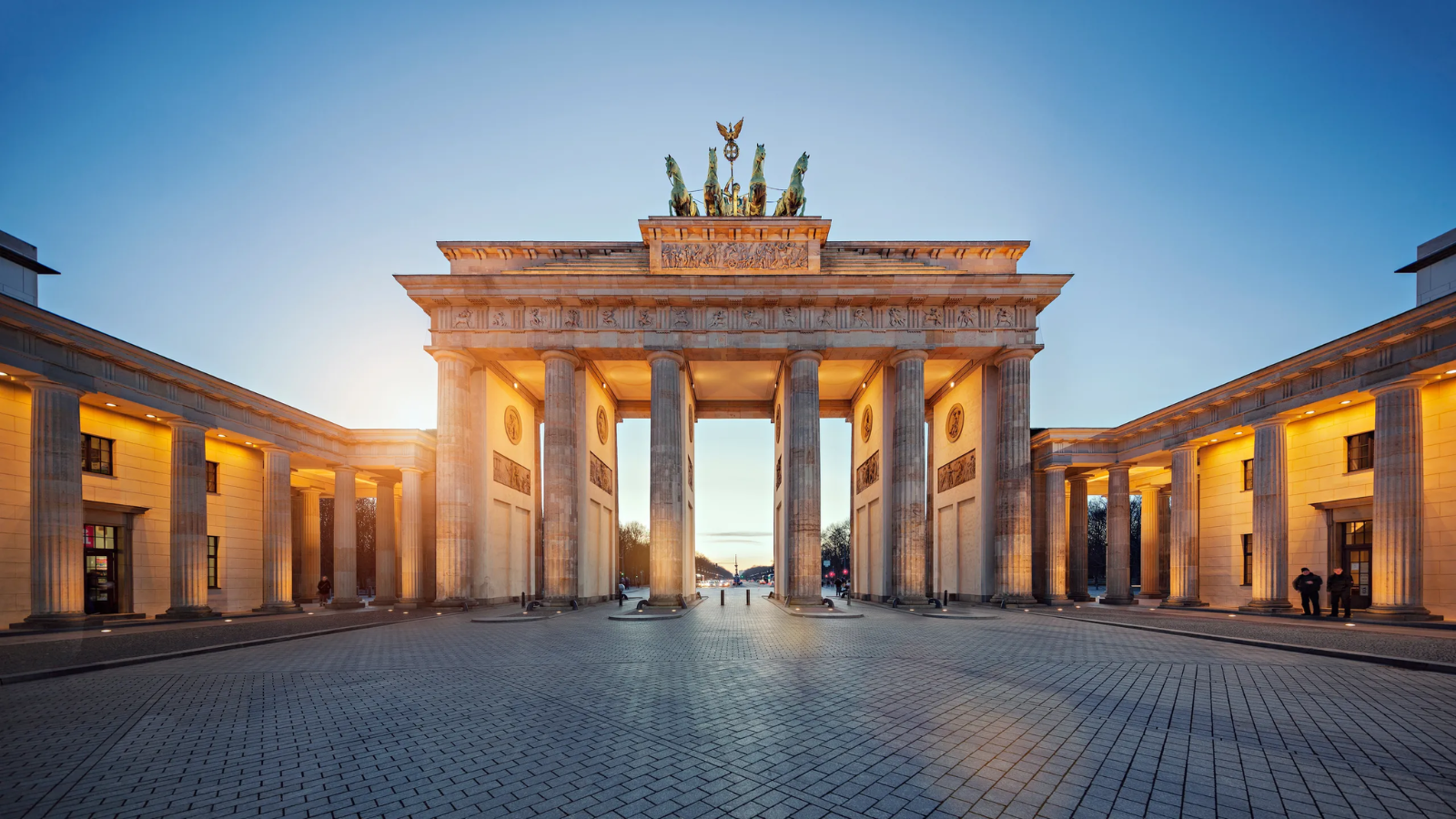
The Brandenburg Gate is one of Berlin's most recognizable landmarks.
Originally constructed as a city gate, it later became a powerful symbol of Germany's history and reunification.
The monument stands near several other important attractions, making it easy to include during a walking tour.
The surrounding area is particularly impressive in the evening when the monument is illuminated.
Spend some time walking around central Berlin rather than simply stopping for a photograph.
The city's history becomes easier to understand when you see how its major landmarks connect with one another.
Explore the Reichstag
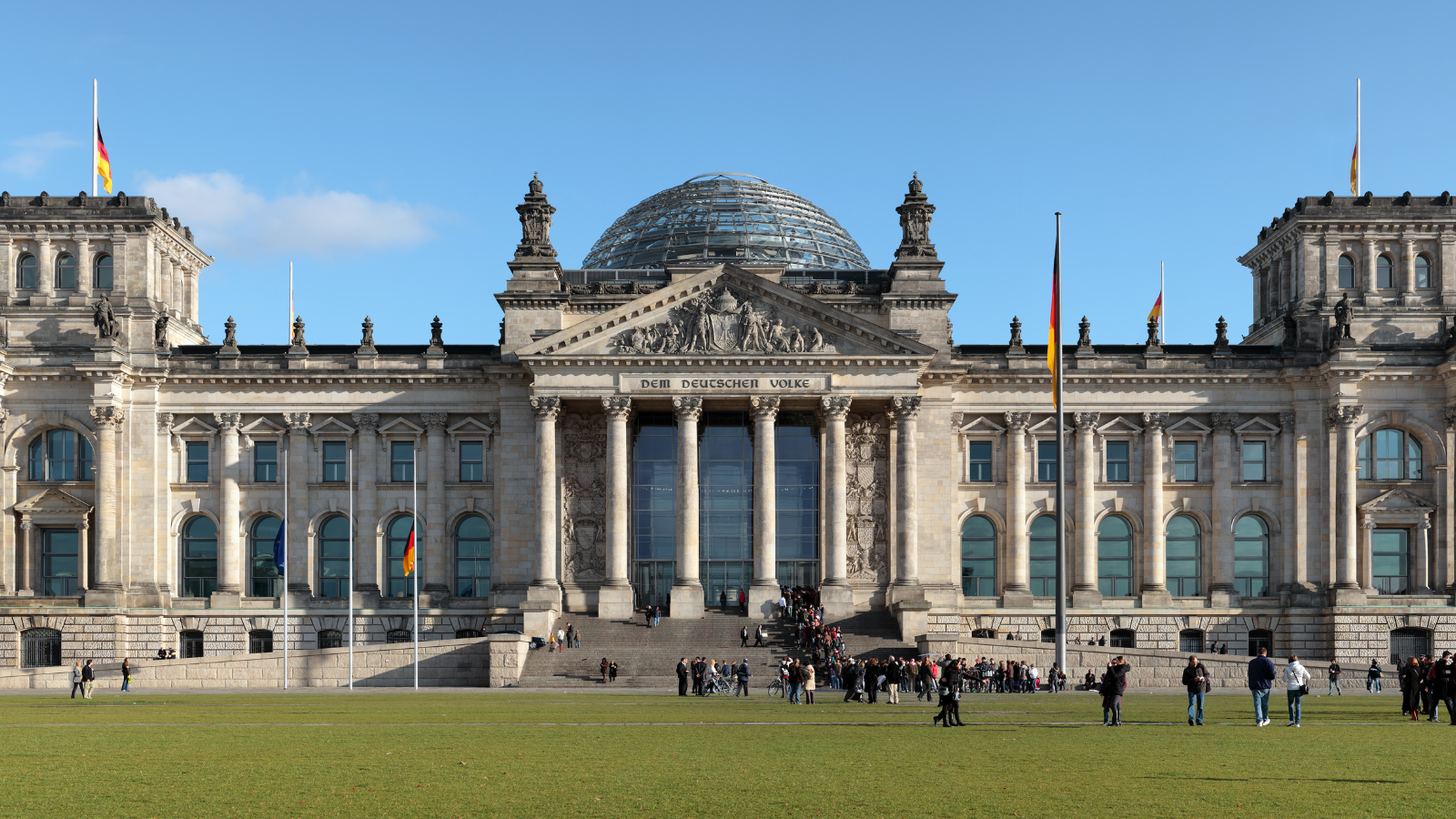
The Reichstag building is home to the German federal parliament.
Its historic exterior is combined with a modern glass dome, creating an interesting contrast between Germany's past and present.
The dome also provides views across Berlin.
If you want to visit, check entry requirements and reservation procedures in advance because access can be controlled.
The Reichstag is especially interesting for travelers who want to understand modern German politics and the country's transformation during the twentieth century.
Understand Berlin's Divided Past
Berlin's history is impossible to separate from the Berlin Wall.
For decades, the city was divided between East and West.
Today, sections of the wall remain, while museums and memorials explain what life was like during the division.
The East Side Gallery is one of the best-known surviving sections. Artists from around the world transformed sections of the wall into murals after the fall of the Berlin Wall.
Visiting these sites provides a different experience from simply looking at historical photographs.
You can see how the physical division once affected the city and how Berlin has changed since reunification.
Visit Museum Island
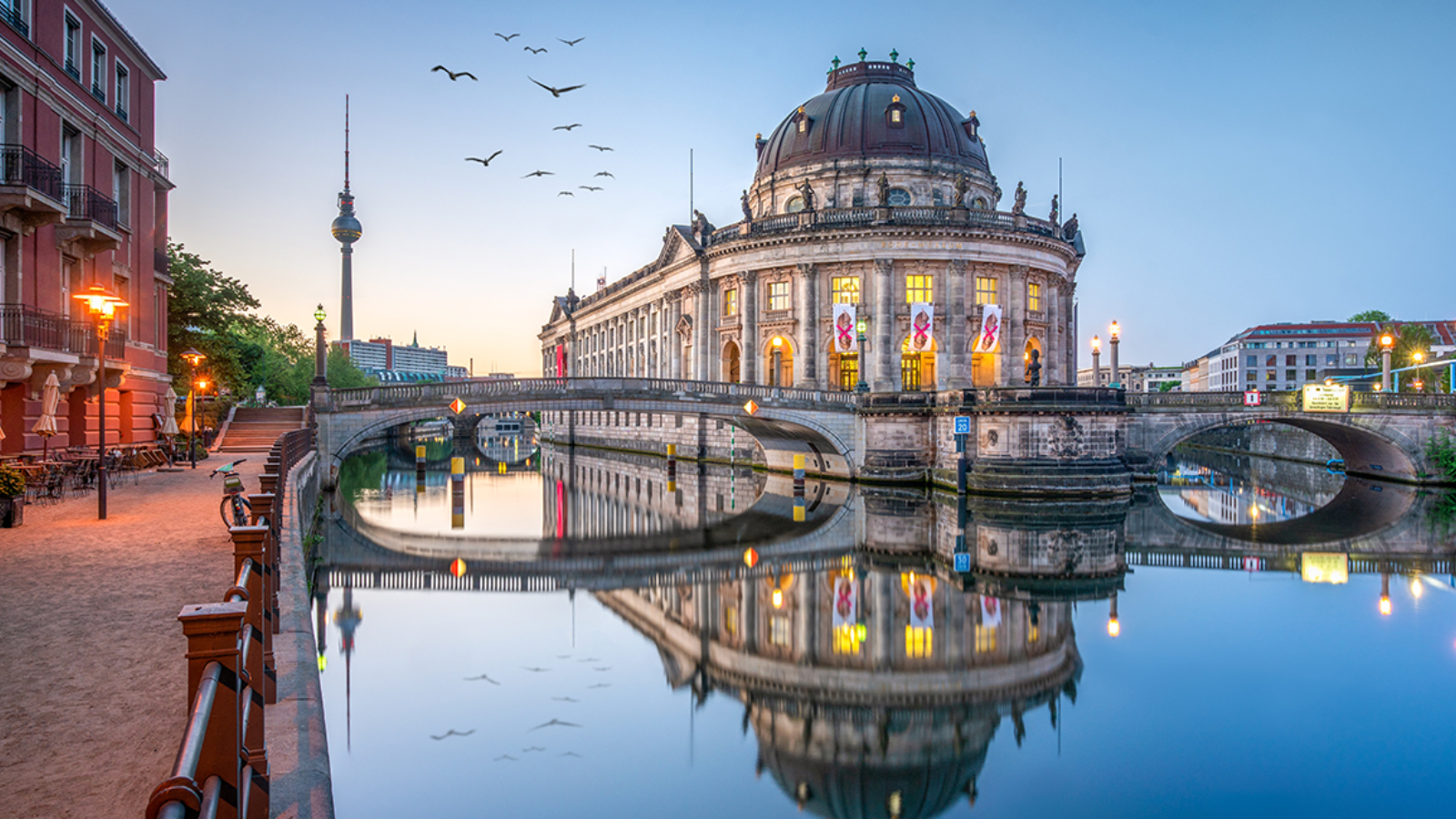
Berlin is also one of Europe's great museum cities.
Museum Island contains several major museums and is located in the centre of the city.
Travelers interested in ancient civilizations, European art, archaeology, and history can easily spend an entire day exploring the area.
Instead of attempting to visit every museum, choose one or two based on your interests.
This makes the experience less tiring and gives you more time to appreciate the collections.
Experience Berlin's Modern Side
Berlin is not only about history.
The city has a strong contemporary culture, with independent cafés, art spaces, music venues, creative neighbourhoods, street art, and international restaurants.
Areas such as Kreuzberg and Friedrichshain provide a different atmosphere from central Berlin.
This combination of old and new is one of the reasons Berlin is so popular with younger travelers and culture enthusiasts.
You can spend the morning exploring a historic site and the evening discovering a completely different side of the city.
Travel to Beautiful Prague
After Berlin, continue to Prague.
Prague is one of Europe's most visually impressive cities.
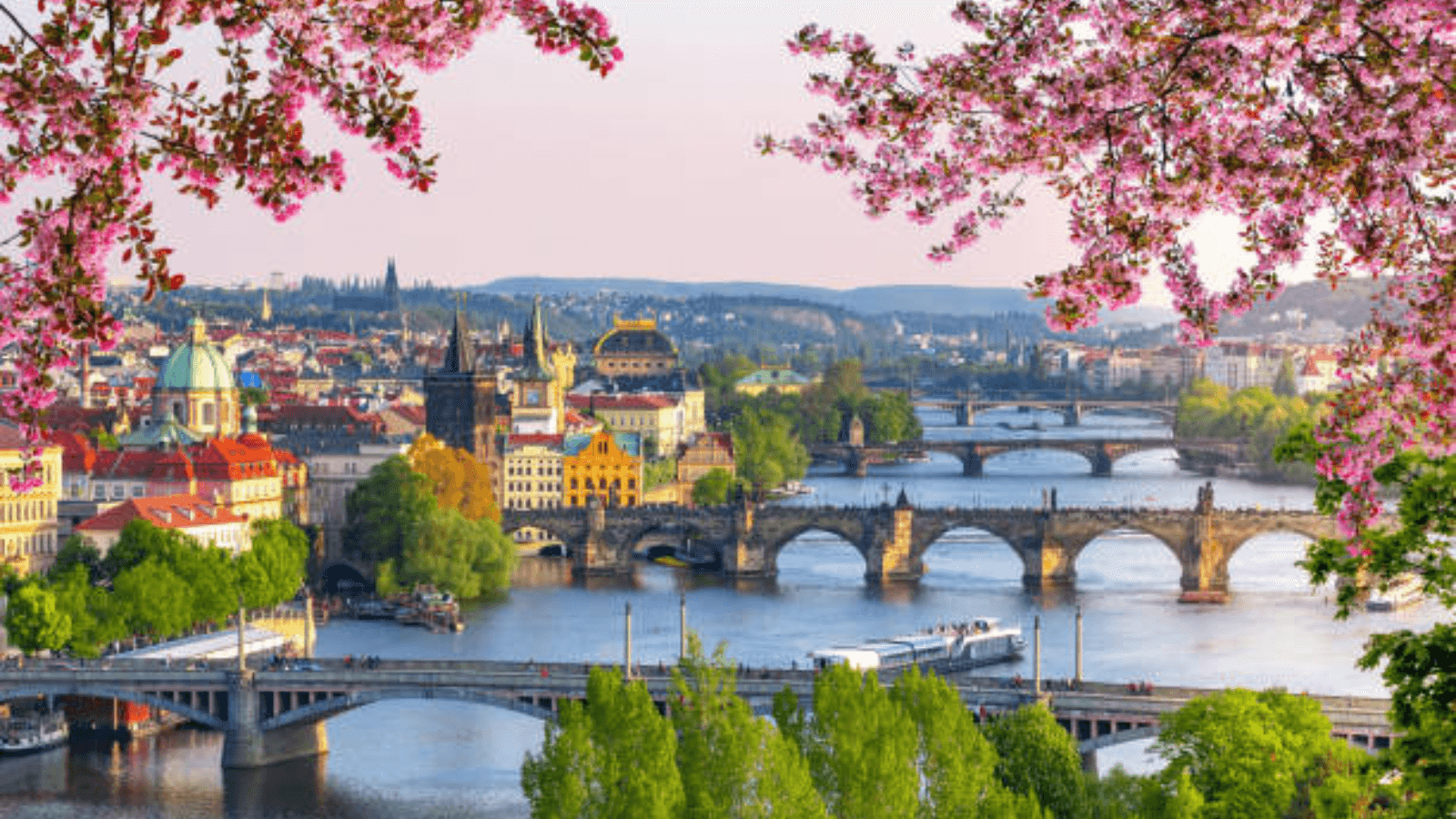
The Czech capital is known for its historic architecture, medieval streets, bridges, churches, and castle.
The city's Old Town can feel like a storybook, particularly early in the morning before the streets become busy.
For travelers interested in photography, Prague offers countless opportunities.
Every narrow street seems to reveal another beautiful building, courtyard, tower, or viewpoint.
Explore Prague Old Town Square
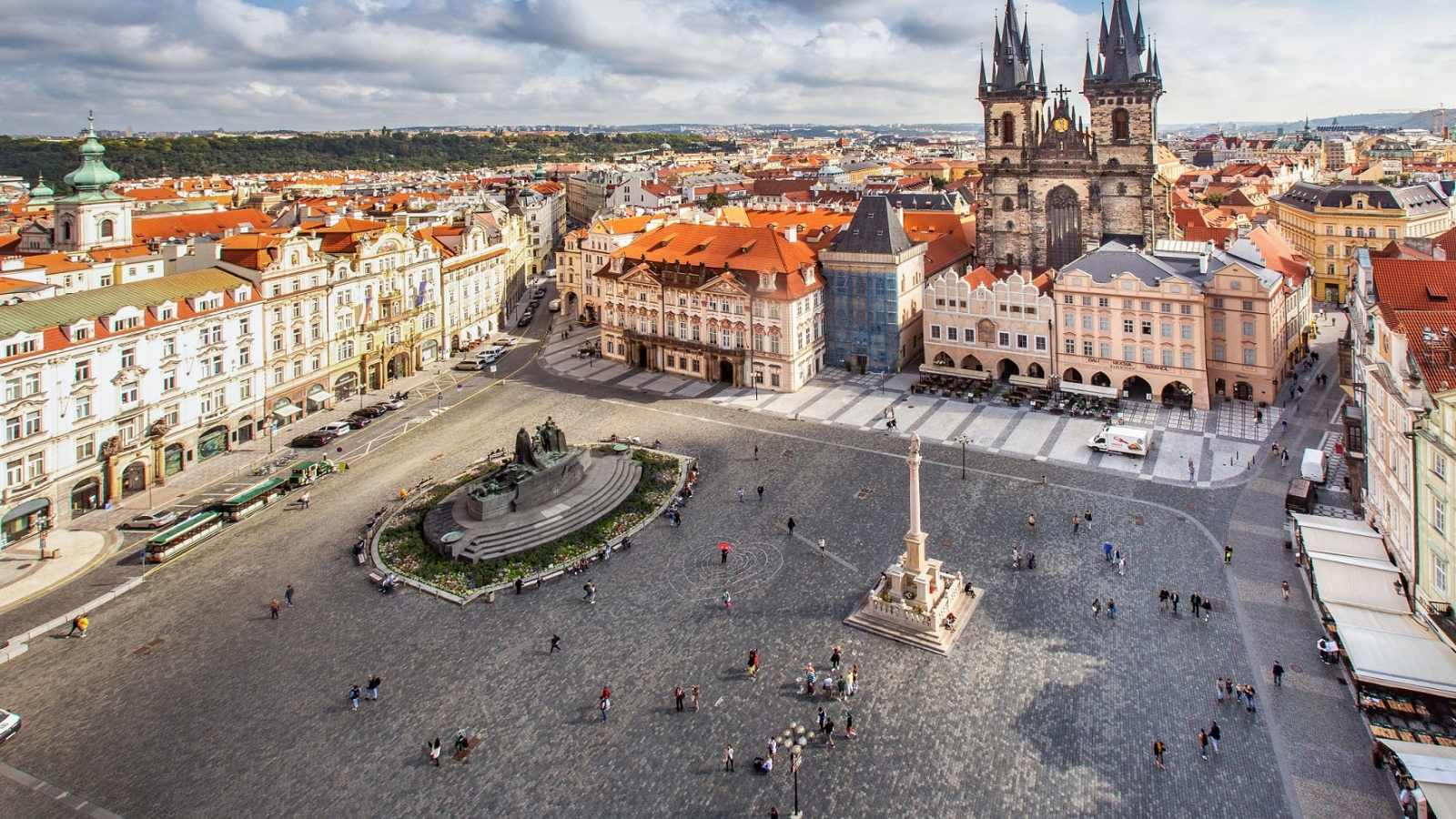
Old Town Square is one of Prague's most famous landmarks.
Historic buildings surround the square, creating a beautiful mix of architectural styles.
The Astronomical Clock is located on the Old Town Hall and attracts visitors throughout the day.
The square is also a good starting point for exploring the surrounding streets.
Instead of immediately moving from one attraction to another, spend time walking through the old town.
Small cafés, traditional shops, churches, and historic buildings are part of what makes Prague enjoyable.
Walk Across Charles Bridge
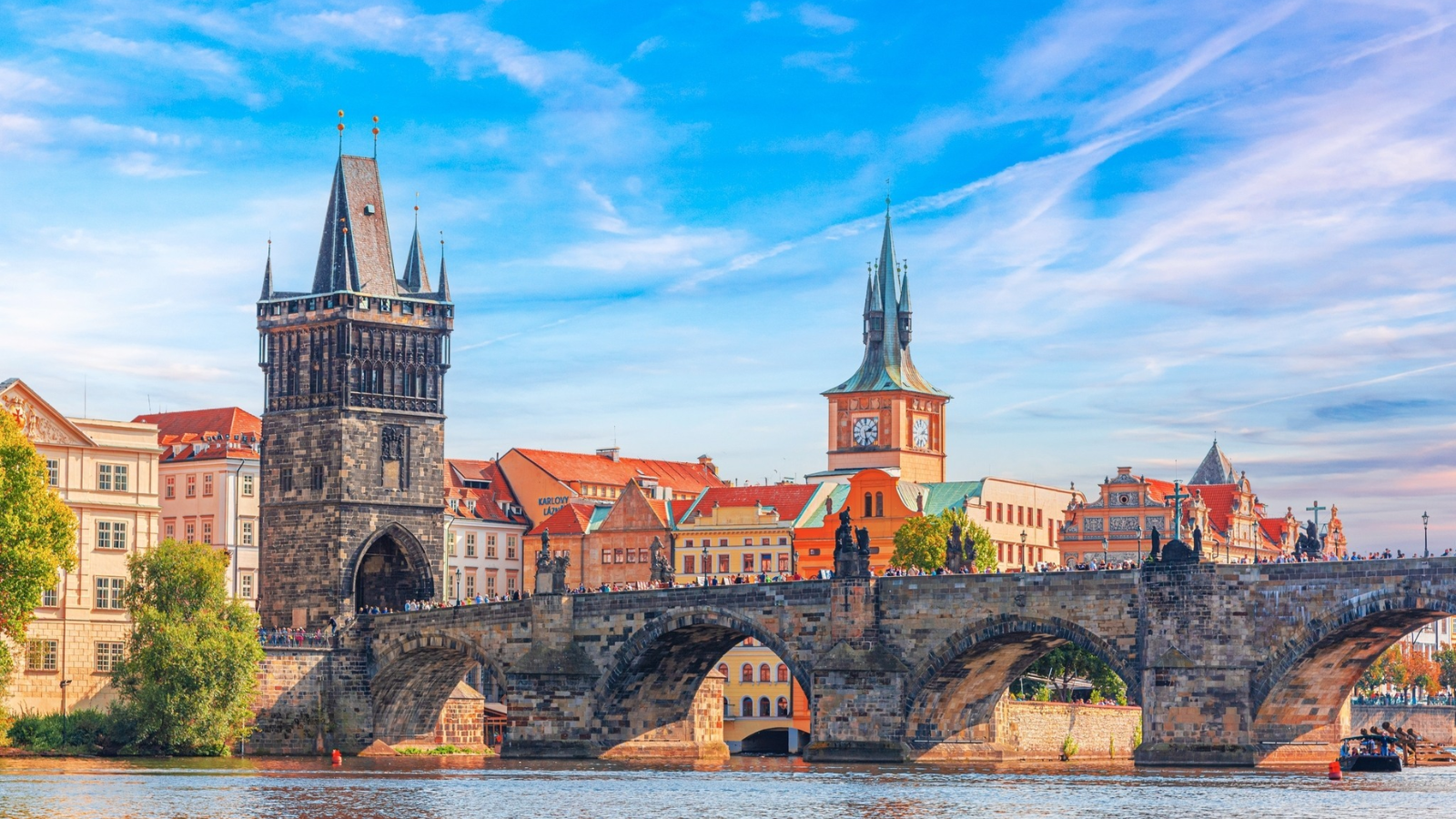
Charles Bridge is one of Prague's most iconic landmarks.
The historic bridge crosses the Vltava River and connects Prague's Old Town with the area beneath Prague Castle.
Statues line the bridge, while artists, musicians, photographers, and visitors create a lively atmosphere.
The bridge can become extremely crowded during the middle of the day.
For a more peaceful experience, arrive early in the morning.
Sunrise can also create beautiful light across the river and historic buildings.
Explore Prague Castle
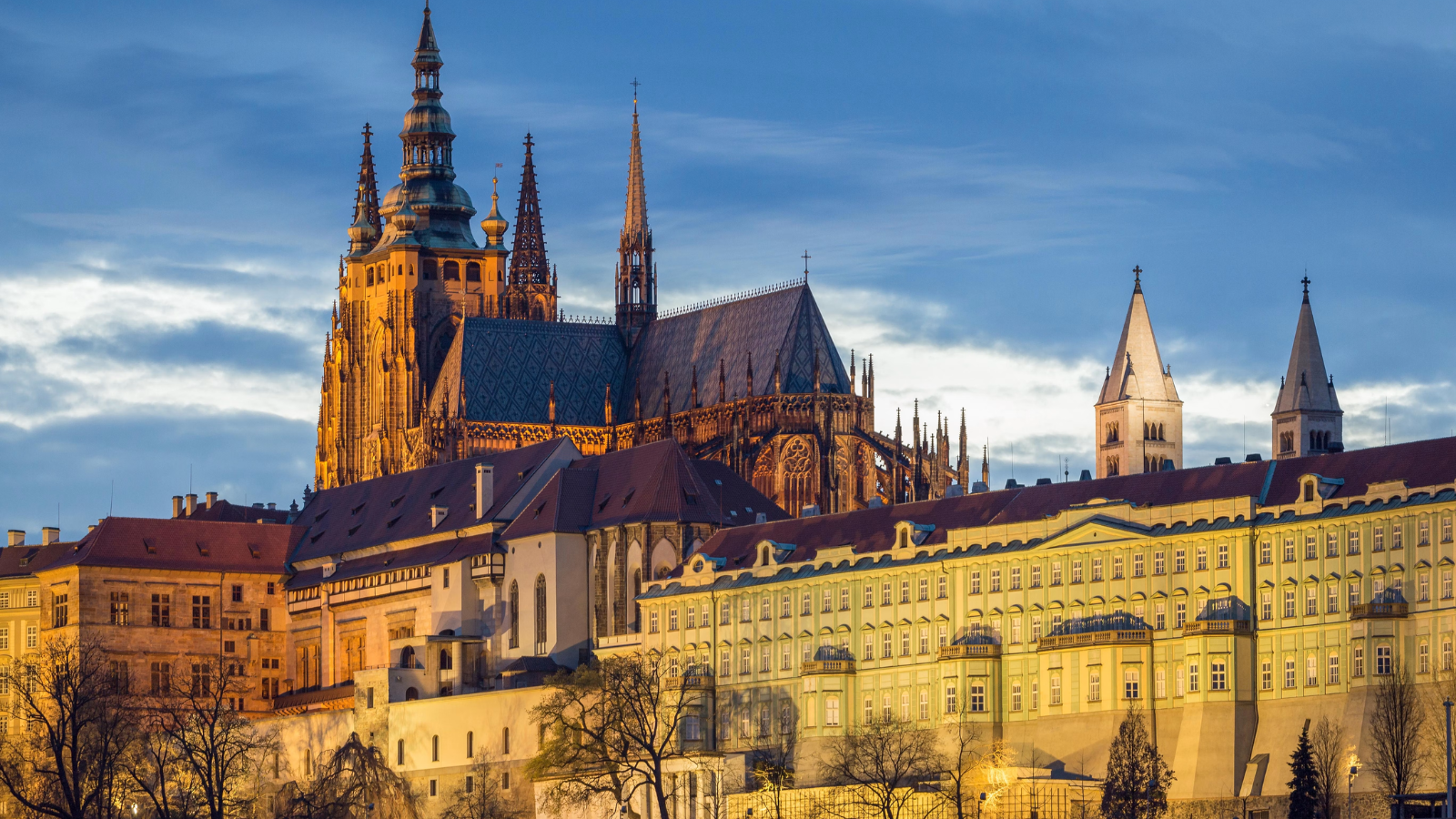
Prague Castle is one of the city's major attractions and an important part of Czech history.
The complex includes palaces, churches, courtyards, gardens, and other historic buildings.
St. Vitus Cathedral is particularly impressive, with its Gothic architecture and detailed interior.
Because the castle complex is large, give yourself several hours if you want to explore it properly.
The views from the castle area also provide an excellent perspective of Prague's red rooftops and historic centre.
Visit St. Vitus Cathedral
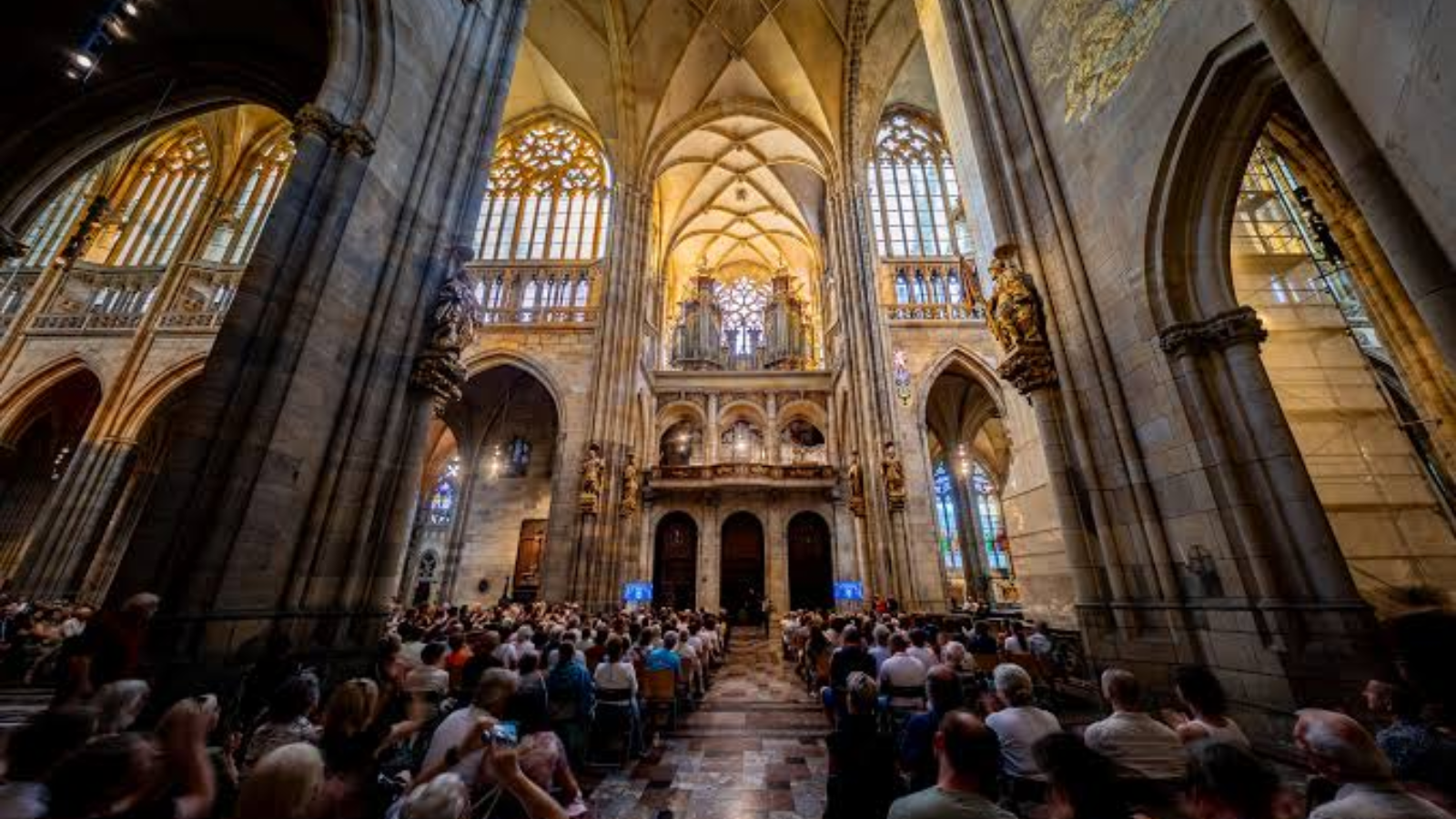
St. Vitus Cathedral is one of Prague's most impressive religious buildings.
Its Gothic architecture, stained-glass windows, towers, and interior details make it a highlight of the castle complex.
Even travelers who are not particularly interested in religious architecture can appreciate the craftsmanship and scale of the building.
Take time to look at the smaller architectural details rather than simply walking through the main area.
Enjoy Czech Cuisine
Prague offers plenty of opportunities to experience traditional Czech food.
Popular dishes include goulash, dumplings, roasted meats, soups, and various pastries.
Trdelník is another sweet treat commonly associated with Prague's tourist areas.
The city also has an expanding international food scene, with restaurants serving everything from Asian cuisine to vegetarian dishes.
For Indian travelers, Prague also offers several Indian restaurants, making it relatively easy to find familiar food during a longer Europe holiday.
Discover Budapest
The final major stop on this itinerary is Budapest.
Hungary's capital is divided by the Danube River, with Buda on one side and Pest on the other.
The river creates some of the city's most beautiful views.
Budapest is famous for its architecture, thermal baths, historic neighbourhoods, bridges, food, and vibrant evening atmosphere.
The city can be enjoyed at a slower pace than some larger European capitals.
See the Hungarian Parliament Building
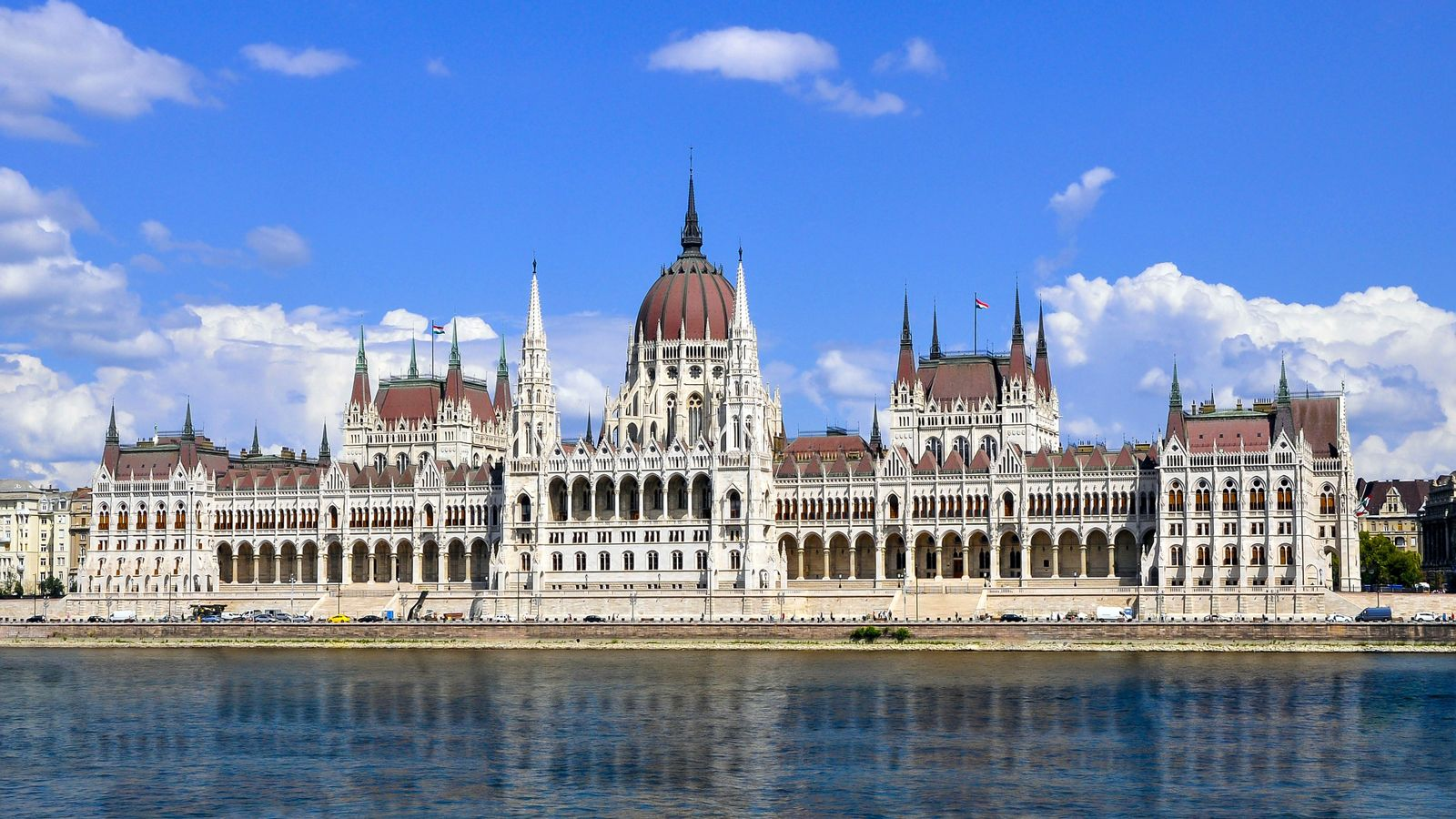
The Hungarian Parliament Building is one of Budapest's most recognizable landmarks.
Located along the Danube, its grand Gothic Revival architecture creates an impressive skyline.
The building is particularly beautiful when viewed from across the river.
Even if you do not take an interior tour, seeing the Parliament from the waterfront should be part of your Budapest sightseeing plan.
Walk Along the Danube
The Danube is central to the Budapest experience.
Walking along the river provides views of historic buildings, bridges, and both sides of the city.
The riverfront becomes especially beautiful around sunset.
An evening cruise is another popular way to experience Budapest.
When the city's major landmarks are illuminated, the views from the river can be spectacular.
For couples, a Danube evening cruise can add a romantic experience to an Eastern Europe holiday.
Cross the Chain Bridge
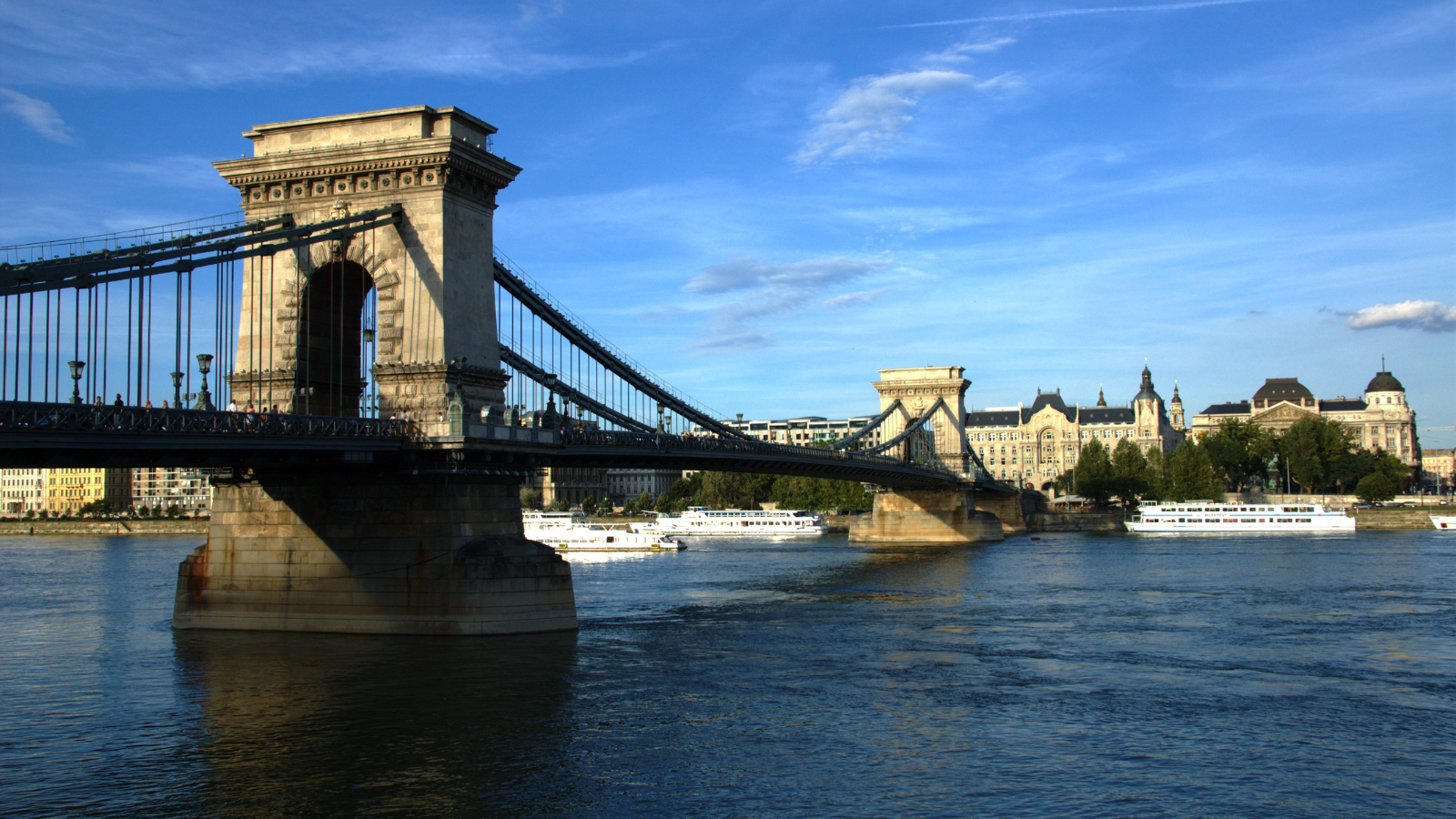
The Chain Bridge connects Buda and Pest and is one of Budapest's most recognizable structures.
Walking across the bridge gives you views of the river and surrounding architecture.
From the Buda side, you can continue toward the Castle District and explore the historic hilltop area.
Explore Buda Castle
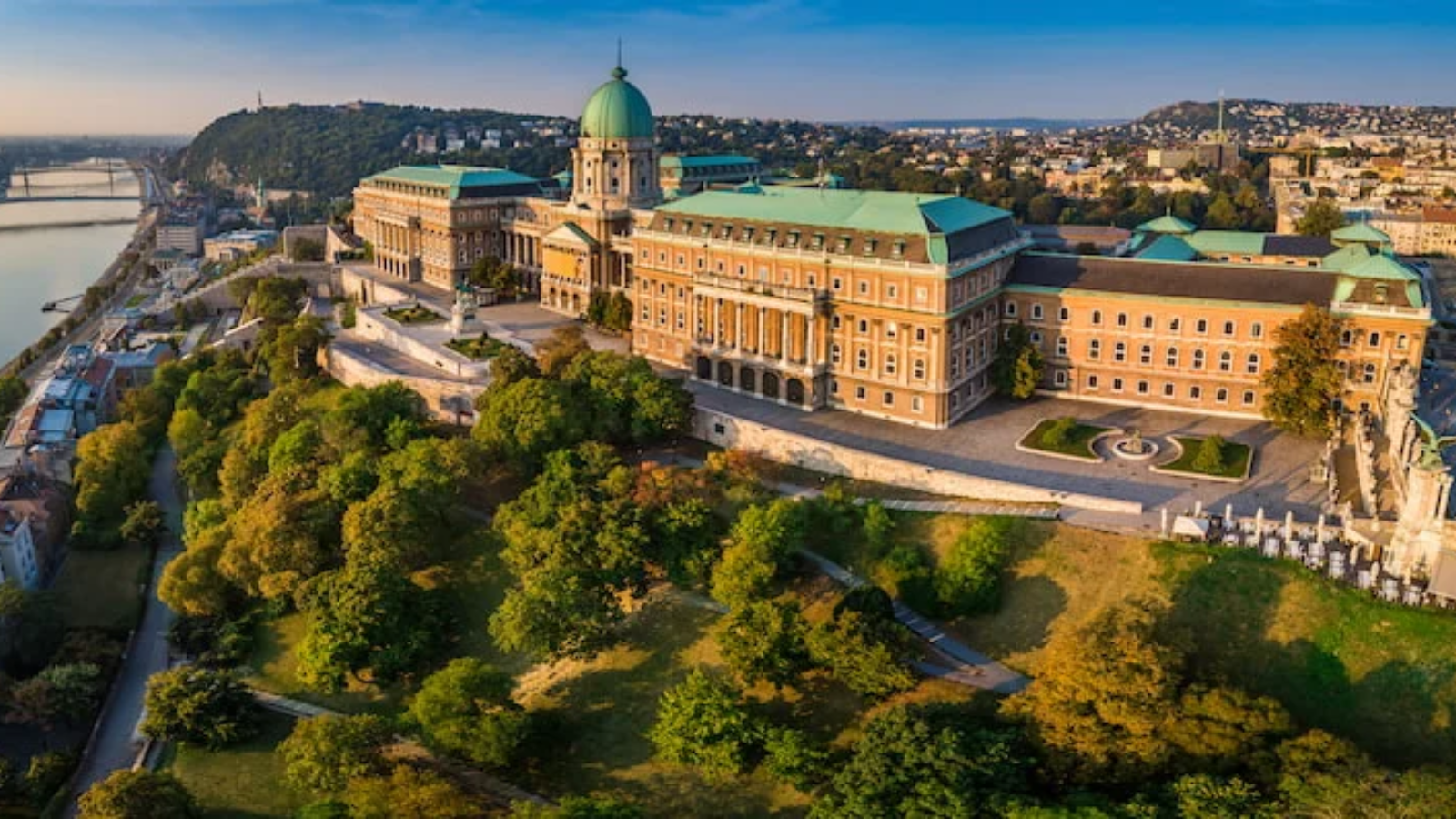
Buda Castle sits above the Danube and provides some of the city's best viewpoints.
The surrounding Castle District contains historic streets, churches, courtyards, and buildings.
The area feels completely different from the busy streets of central Pest.
Fisherman's Bastion is another popular attraction nearby.
Its distinctive towers and terraces provide panoramic views over the Danube and Parliament.
It is also one of the most photographed locations in Budapest.
Relax in Budapest's Thermal Baths
O
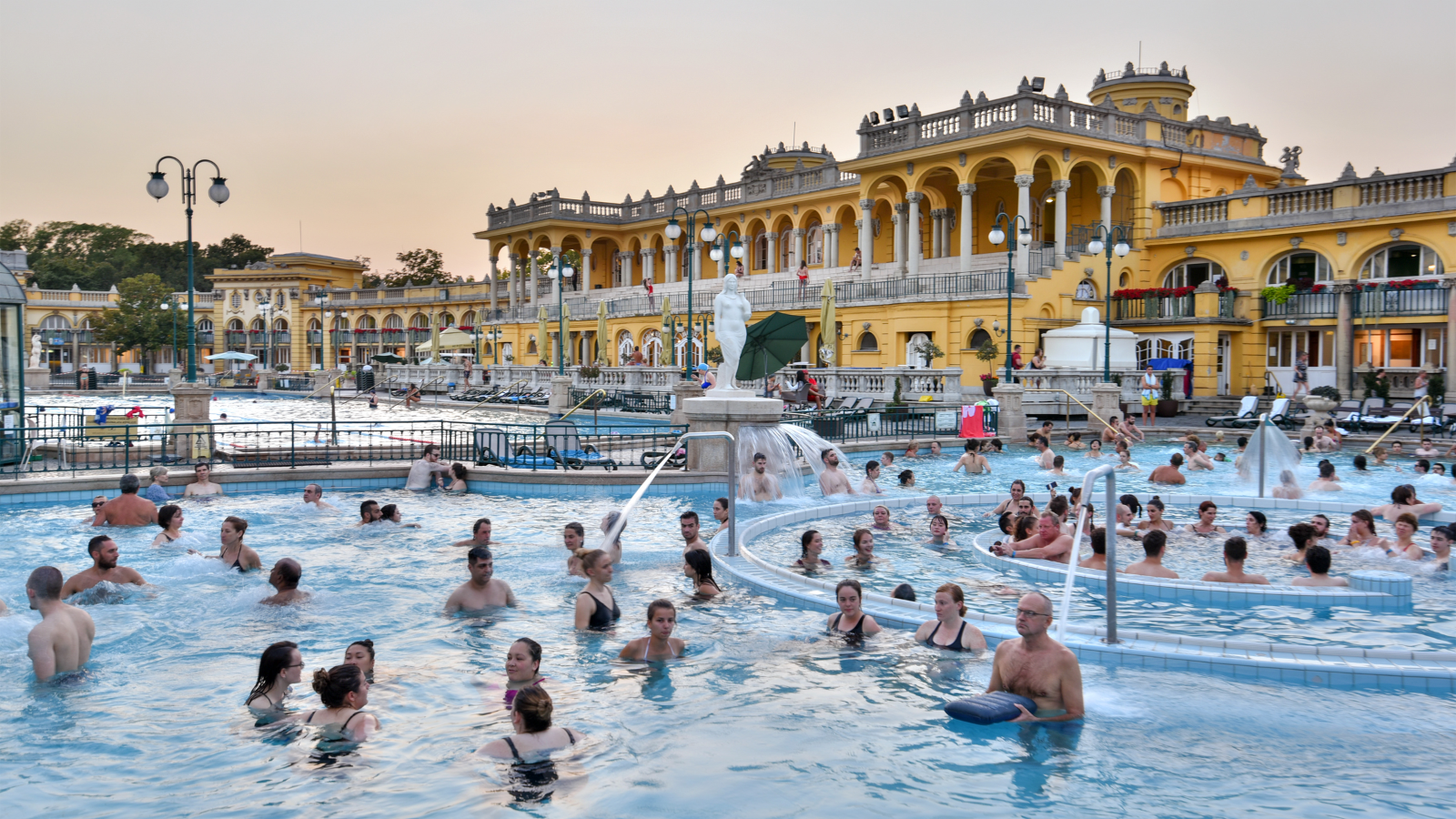
ne of Budapest's most unique experiences is its thermal bath culture.
The city has been associated with thermal waters for centuries.
Visiting a historic bath provides an opportunity to relax after several days of sightseeing.
The experience is particularly enjoyable during colder months when warm thermal pools create a contrast with the weather outside.
If you include a thermal bath in your itinerary, check the individual venue's rules regarding swimwear, lockers, opening times, and reservations.
Try Hungarian Food
Hungarian cuisine is hearty and flavourful.
Goulash is perhaps the most internationally recognized Hungarian dish, but there are many other specialties worth trying.
Paprika plays an important role in Hungarian cooking, and you will find it in many traditional dishes.
You can also try chimney cakes, soups, stews, pastries, and local desserts.
Budapest has a growing modern food scene as well, so travelers can choose between traditional restaurants and contemporary dining experiences.
Munich, Berlin, Prague, or Budapest: Which Is Best?
Each city offers something different.
Munich is ideal for travelers interested in Bavarian culture, historic architecture, food, and access to the Alps.
Berlin is best for travelers interested in history, museums, modern culture, art, and nightlife.
Prague is perfect for travelers who love historic architecture, castles, romantic streets, and beautiful viewpoints.
Budapest combines architecture, river views, thermal baths, history, food, and evening entertainment.
The advantage of an Eastern Europe tour package is that you do not have to choose only one.
You can experience all four cities during one carefully planned European vacation.
Best Time for an Eastern Europe Tour
There is no single perfect season for visiting Munich, Berlin, Prague, and Budapest.
Spring is popular because temperatures are generally comfortable and parks and gardens begin to bloom.
Summer offers long daylight hours and lively outdoor events, although tourist areas can be crowded.
Autumn brings pleasant sightseeing weather and beautiful seasonal colours.
Winter offers Christmas markets and festive decorations, particularly in Germany and Central Europe.
If you are planning your first Europe tour from India, spring and autumn can be particularly comfortable for sightseeing because you can spend long hours outdoors without the extreme summer heat.
How Many Days Do You Need?
A minimum of 10 to 12 days is recommended for a comfortable Munich, Berlin, Prague, and Budapest itinerary.
A shorter trip is possible, but spending only two days in each city can make the holiday feel rushed.
An ideal itinerary could look like this:
Days 1–3: Munich
Explore Marienplatz, Frauenkirche, Munich Residenz, local markets, and Bavarian neighbourhoods.
Days 4–5: Berlin
Visit Brandenburg Gate, Reichstag, Berlin Wall sites, and Museum Island.
Days 6–8: Prague
Explore Old Town Square, Charles Bridge, Prague Castle, St. Vitus Cathedral, and local streets.
Days 9–11: Budapest
Visit Parliament, Buda Castle, Fisherman's Bastion, Chain Bridge, and a thermal bath.
Day 12: Departure.
If you have additional time, add a day trip or an extra night in your favourite city.
How to Travel Between These Cities
One of the benefits of this itinerary is that the cities are connected by Europe's extensive transportation network.
Trains can be a convenient option for several sections of the route.
Depending on the exact itinerary, travelers can also use flights or organized transfers.
When comparing transportation options, do not look only at the ticket price.
Consider travel time, luggage, station or airport transfers, check-in requirements, and the amount of sightseeing time you lose.
A slightly more expensive option may sometimes be better if it saves several hours.
For an organized Europe holiday package, having transportation arranged in advance can make the journey considerably easier.
What to Pack for Eastern Europe
Comfortable footwear is one of the most important things to pack.
All four cities involve considerable walking, particularly around historic centres.
Prague's cobbled streets, Budapest's Castle District, Berlin's large museums, and Munich's city centre can all require several hours on foot.
Layered clothing is useful because temperatures can change during the day.
A lightweight rain jacket or umbrella is also worth carrying.
Other useful items include a travel adapter, power bank, sunscreen, medicines you normally use, and a small day backpack.
Avoid overpacking if you are moving between several cities.
A lighter suitcase makes train journeys and hotel changes much easier.
Travel Tips for First-Time Visitors
Plan your major attractions in advance.
Popular landmarks can become busy, particularly during summer and holiday periods.
Do not schedule every minute of your day.
Leave time for cafés, local streets, markets, parks, and unexpected discoveries.
Keep your important travel documents safely stored and maintain digital copies as a backup.
Before traveling, check current visa requirements, travel insurance requirements, passport validity, and entry conditions for your nationality.
Public transportation is excellent in all four cities, but each system works differently.
Download useful maps and transportation information before leaving your hotel each morning.
Most importantly, remember that the purpose of an Eastern Europe holiday is not simply to collect photographs of famous landmarks.
Take time to understand the history and culture behind the places you visit.
A Complete 12-Day Eastern Europe Itinerary
For travelers looking for a balanced Munich Berlin Prague Budapest tour, the following itinerary provides a practical starting point.
Days 1–3: Munich
Arrive in Munich and explore the old town.
Visit Marienplatz, the New Town Hall, Frauenkirche, Munich Residenz, and local markets.
Use your third day for additional sightseeing or a nearby excursion.
Days 4–5: Berlin
Travel to Berlin.
Explore Brandenburg Gate, Reichstag, Berlin Wall landmarks, and Museum Island.
Spend your evening experiencing Berlin's modern neighbourhoods.
Days 6–8: Prague
Continue to Prague.
Explore Old Town Square, the Astronomical Clock, Charles Bridge, Prague Castle, and St. Vitus Cathedral.
Leave some time to simply walk through Prague's historic streets.
Days 9–11: Budapest
Travel to Budapest.
Visit Parliament, Buda Castle, Fisherman's Bastion, and the Danube waterfront.
Spend one afternoon relaxing at a thermal bath.
Finish your stay with an evening city experience or Danube cruise.
Day 12: Departure
Depending on your flight schedule, enjoy a final breakfast and some free time before beginning your return journey.
This itinerary can easily be adjusted depending on flight availability, hotel preferences, budget, and the number of days available.
Why Choose TrawelMart for Your Europe Holiday?
Planning a multi-city European vacation involves several moving parts.
Flights, hotels, transfers, sightseeing, travel insurance, visas, meals, transportation, and daily schedules all need to work together.
This is where an organized Europe tour package can make the experience easier.
TrawelMart provides holiday options for travelers looking to explore Europe through planned itineraries and destination-based experiences.
For Indian travelers, a professionally arranged trip can also make it easier to manage transportation, hotel arrangements, sightseeing, and other travel requirements.
A customized itinerary can be particularly useful when traveling as a family, couple, or larger group because the pace and experiences can be adjusted according to your requirements.
Instead of spending months researching every individual booking, travelers can focus on deciding what kind of European experience they want.
Final Thoughts
An Eastern Europe travel guide cannot capture everything these four cities have to offer because Munich, Berlin, Prague, and Budapest each deserve time to be explored properly.
Munich introduces you to Bavaria's traditions, beautiful architecture, and excellent food.
Berlin tells the story of a city that experienced war, division, destruction, and reunification before becoming one of Europe's most creative capitals.
Prague feels like stepping into a historic European postcard, with its castle, medieval streets, churches, and famous Charles Bridge.
Budapest combines grand architecture, the Danube River, historic neighbourhoods, thermal baths, and a lively modern culture.
Together, these destinations offer a balanced European holiday filled with history, culture, architecture, food, relaxation, and unforgettable experiences.
Whether you are planning your first Europe tour from India, a family vacation, honeymoon, friends' trip, or a longer European adventure, this four-city route can be an excellent way to discover a different side of the continent.
The best European journeys are not always about visiting the maximum number of countries.
They are about giving yourself enough time to experience each destination.
Walk through Munich's old town, learn Berlin's history, watch Prague's skyline from Charles Bridge, and see Budapest glowing along the Danube.
With the right itinerary and support from TrawelMart, your journey through Munich, Berlin, Prague, and Budapest can become much more than a sightseeing trip—it can become an unforgettable Eastern Europe holiday.