
Vietnam is a country where the past and present exist side by side.
In the north, Hanoi introduces travellers to ancient temples, traditional neighbourhoods, lakeside streets, Vietnamese food, and the famous Old Quarter. As you travel south, the scenery and atmosphere gradually change. Eventually, you arrive in Ho Chi Minh City, formerly known as Saigon, where modern skyscrapers stand alongside historic buildings, busy markets, colonial architecture, and streets filled with cafés and food stalls.
But the journey from Hanoi to Saigon is about much more than moving between two major cities.
It is an opportunity to understand Vietnam through its history, architecture, food, countryside, and everyday life. You can walk through Hanoi's atmospheric Old Quarter, explore French colonial landmarks, learn about the history of the Cu Chi Tunnels, and then slow down among coconut groves and waterways in the Mekong Delta.
Vietnam's official tourism website itself highlights Hanoi as the gateway to northern Vietnam and Ho Chi Minh City as the dynamic southern metropolis, with the Mekong Delta nearby.
For travellers from India, this north-to-south route can be an excellent way to experience several sides of Vietnam during one holiday.
TrawelMart currently offers Vietnam itineraries covering Hanoi, Halong Bay, Da Nang, Hoi An and Ho Chi Minh City, with Cu Chi Tunnels and Mekong Delta experiences included in selected packages.
Why Choose a Hanoi to Saigon Journey?
Vietnam is long and geographically diverse, so a north-to-south journey gives travellers a chance to see how different regions feel.
Hanoi has a distinctly traditional atmosphere, with historic streets, temples, lakes and local markets. Central Vietnam introduces another layer of history and culture through destinations such as Hoi An and Hue. Further south, Ho Chi Minh City feels faster, more modern and energetic.
The countryside changes as well.
Northern landscapes can feature mountains, valleys and limestone formations. Central Vietnam has beaches, historic towns and cultural landmarks. Southern Vietnam leads into the fertile Mekong Delta, where waterways, villages, coconut plantations and agricultural communities shape daily life.
A journey from Hanoi to Saigon therefore becomes more than a sightseeing trip. It becomes a gradual introduction to Vietnam's regional diversity.
Begin in Hanoi: Vietnam's Historic Capital
Hanoi is an excellent starting point for a Vietnam holiday.
The city combines old architecture, traditional culture, food streets, temples, cafés and busy neighbourhoods. The official Vietnam tourism itinerary recommends attractions including the Presidential Palace, Ho Chi Minh's house-on-stilts, One Pillar Pagoda, Temple of Literature and Hanoi Old Quarter.
For first-time visitors, Hanoi can feel busy at first. Scooters fill the streets, vendors sell food from small stalls, and narrow streets lead to unexpected shops and cafés.
Give yourself time to simply walk around.
Some of the best Hanoi experiences are not necessarily the attractions that take the longest to visit. Sitting at a street-side café, tasting a bowl of pho, watching local life around a lake or exploring a market can become just as memorable as visiting a major landmark.
Explore Hanoi's Old Quarter
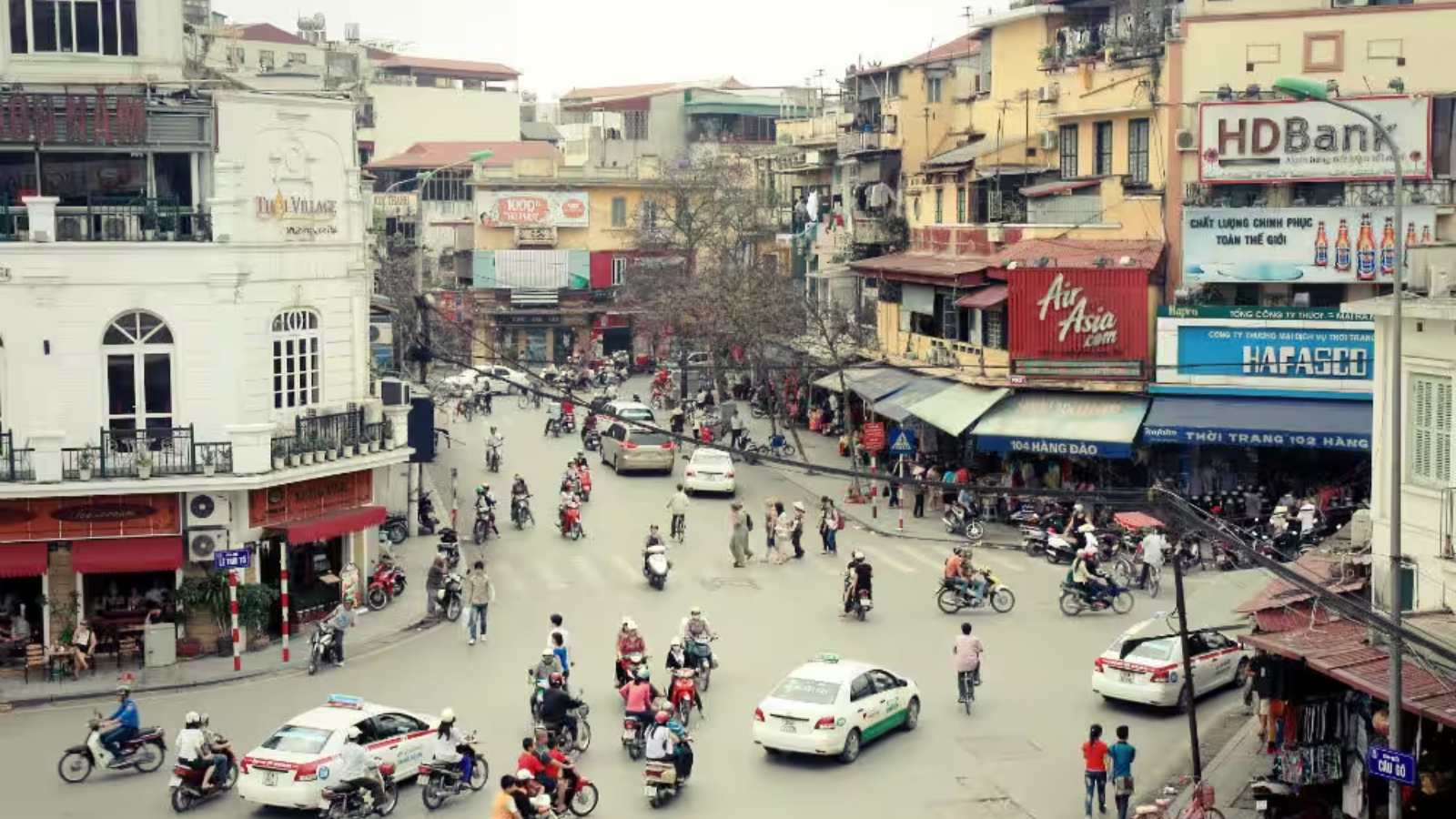
The Old Quarter should be high on the itinerary of anyone travelling from Hanoi to Saigon.
This historic neighbourhood is known for its narrow streets, traditional commercial activity, small shops, cafés, food stalls and distinctive atmosphere.
The best way to experience it is on foot.
Take your time rather than trying to see everything quickly. Explore small lanes, stop for Vietnamese coffee, try local snacks and observe how the neighbourhood changes throughout the day.
Early mornings can feel calmer, while evenings bring more activity.
The Old Quarter is also an excellent place to begin exploring Vietnamese food.
Discover the Temple of Literature
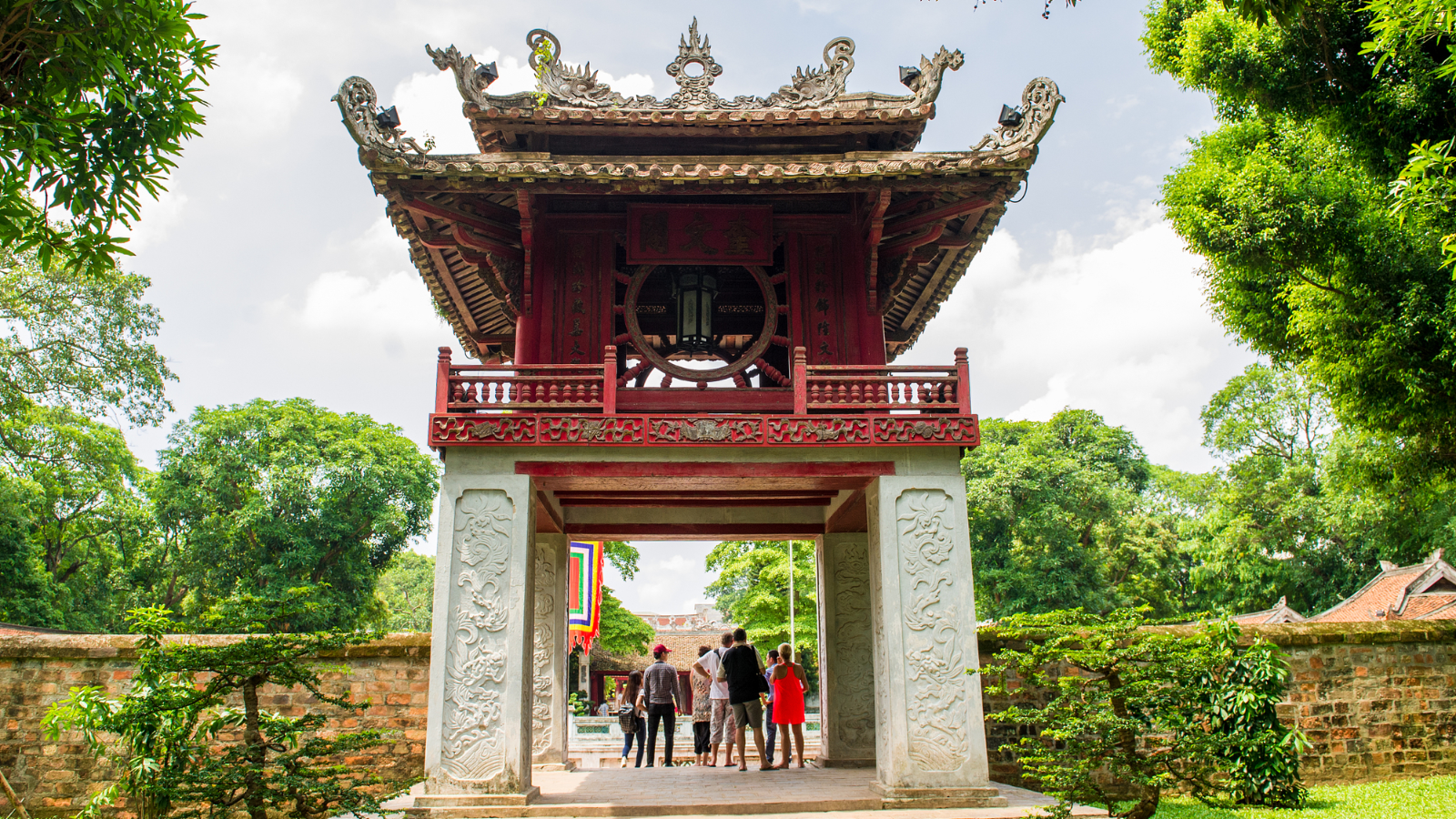
The Temple of Literature provides a quieter contrast to the busy streets of Hanoi.
The complex is associated with Confucius and Vietnam's scholarly traditions. Vietnam Tourism includes it among the major cultural attractions on its Hanoi itinerary and describes it as the country's first university, established in the 11th century.
The courtyards, gardens and traditional architecture make it an enjoyable place for travellers interested in history and photography.
It also demonstrates why Hanoi is such an interesting beginning to a Vietnam trip. The city is not simply about modern tourism. Its cultural identity is deeply connected with centuries of history.
Enjoy Hanoi's Famous Food Culture
Food should be part of your Hanoi itinerary rather than something you fit in between attractions.
Vietnamese cuisine is known for its fresh ingredients, herbs, rice noodles, vegetables and balanced flavours.
In Hanoi, travellers can try dishes such as pho, bun cha, banh mi and egg coffee.
Street food is particularly important to the city's character.
You may find tiny restaurants with only a few tables serving dishes that have been prepared the same way for years. For Indian travellers, Vietnamese food can also offer plenty of variety, although it is useful to check ingredients if you have specific dietary requirements.
TrawelMart's current Vietnam packages also highlight Indian-friendly services and Indian meal options on selected itineraries.
Add Halong Bay Before Heading South
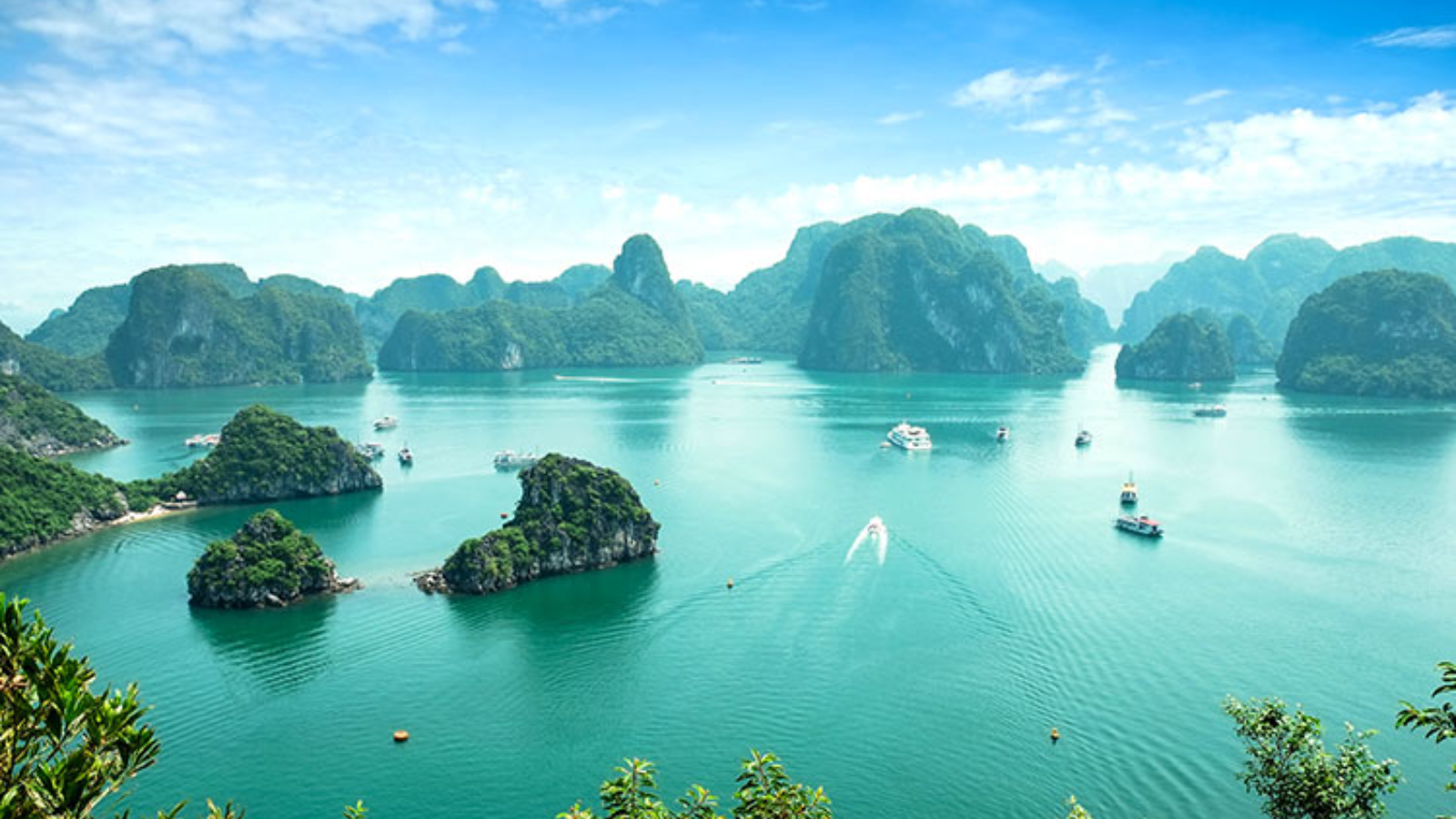
If you have enough time, consider adding Halong Bay between Hanoi and the southern part of your journey.
Halong Bay is famous for its emerald waters and limestone karsts, and TrawelMart's Vietnam packages currently include overnight cruise experiences in the bay.
An overnight cruise provides a welcome change of pace after exploring Hanoi.
Instead of busy streets, you wake up surrounded by water and dramatic limestone formations.
For many travellers, this combination of city exploration and scenic cruising makes a Vietnam holiday feel much more complete.
Continue Through Central Vietnam
Although the title of this journey focuses on Hanoi to Saigon, travellers with additional time can make the route more interesting by adding central Vietnam.
Hoi An, Da Nang and Hue can fit naturally into a longer itinerary.
TrawelMart currently offers Vietnam packages that combine Hanoi, Halong Bay, Da Nang, Hoi An and Ho Chi Minh City.
This allows travellers to experience Vietnam's northern, central and southern regions rather than concentrating only on the two major cities.
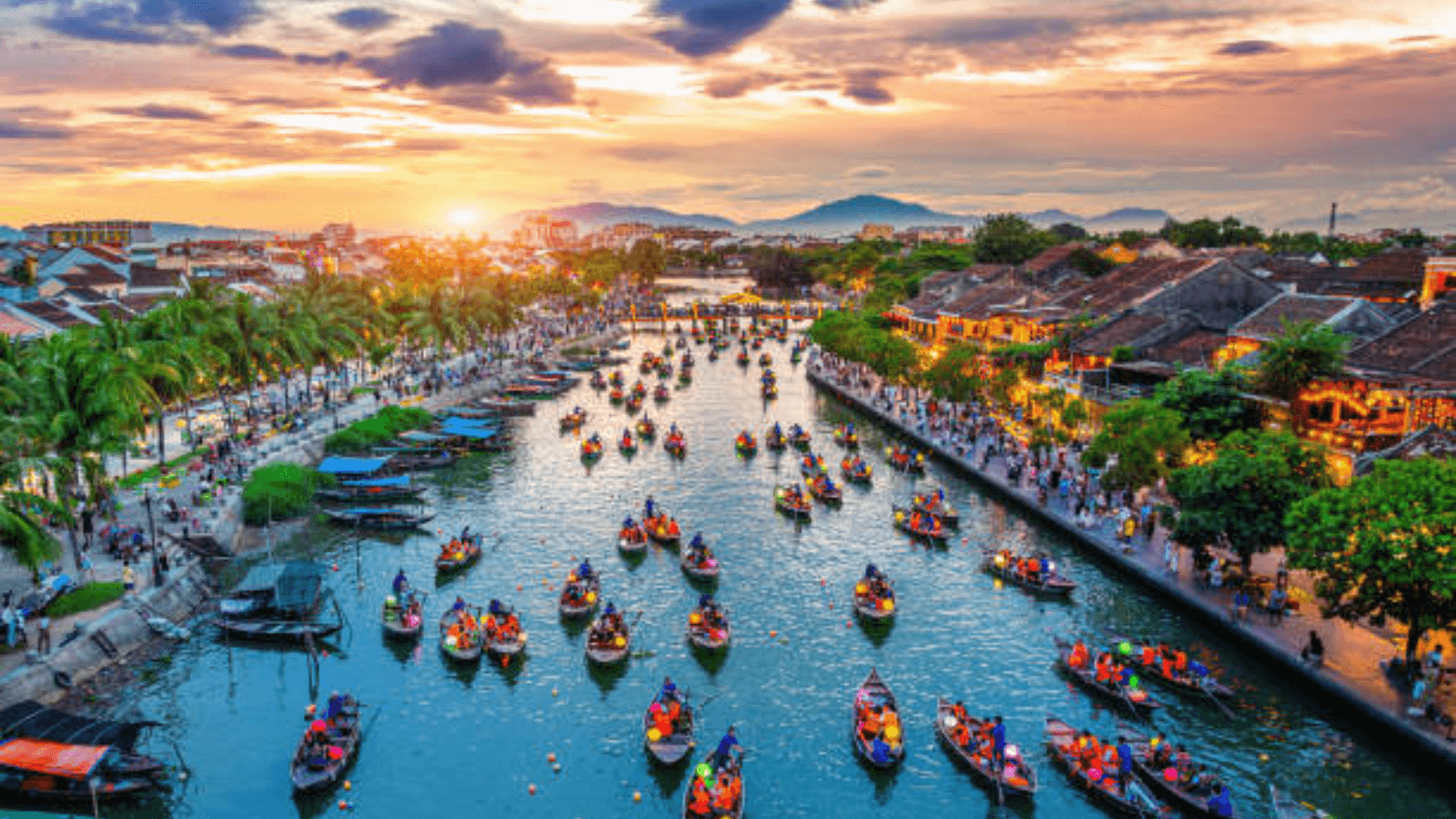
Hoi An offers a slower atmosphere with its historic streets and riverside setting, while Da Nang provides beaches and access to attractions such as Ba Na Hills.
However, if your holiday is shorter, it is better to concentrate on fewer destinations rather than spending most of your trip travelling between them.
Arrive in Saigon: Modern Vietnam with a Historic Soul
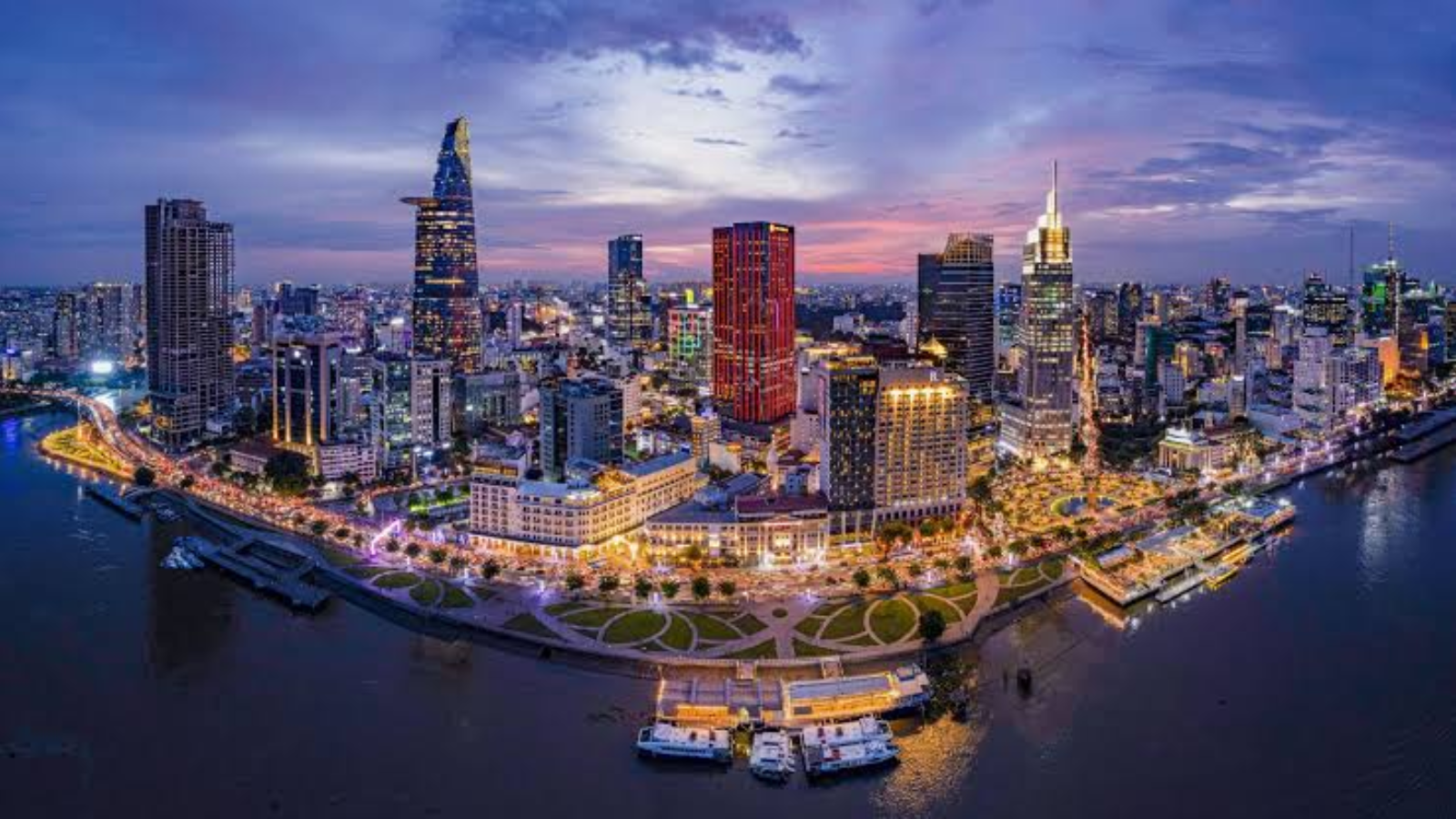
Ho Chi Minh City, still commonly called Saigon, is the energetic southern end of the journey.
Vietnam Tourism describes it as the economic heart of Vietnam and a cosmopolitan city where old and new exist close together.
The city is very different from Hanoi.
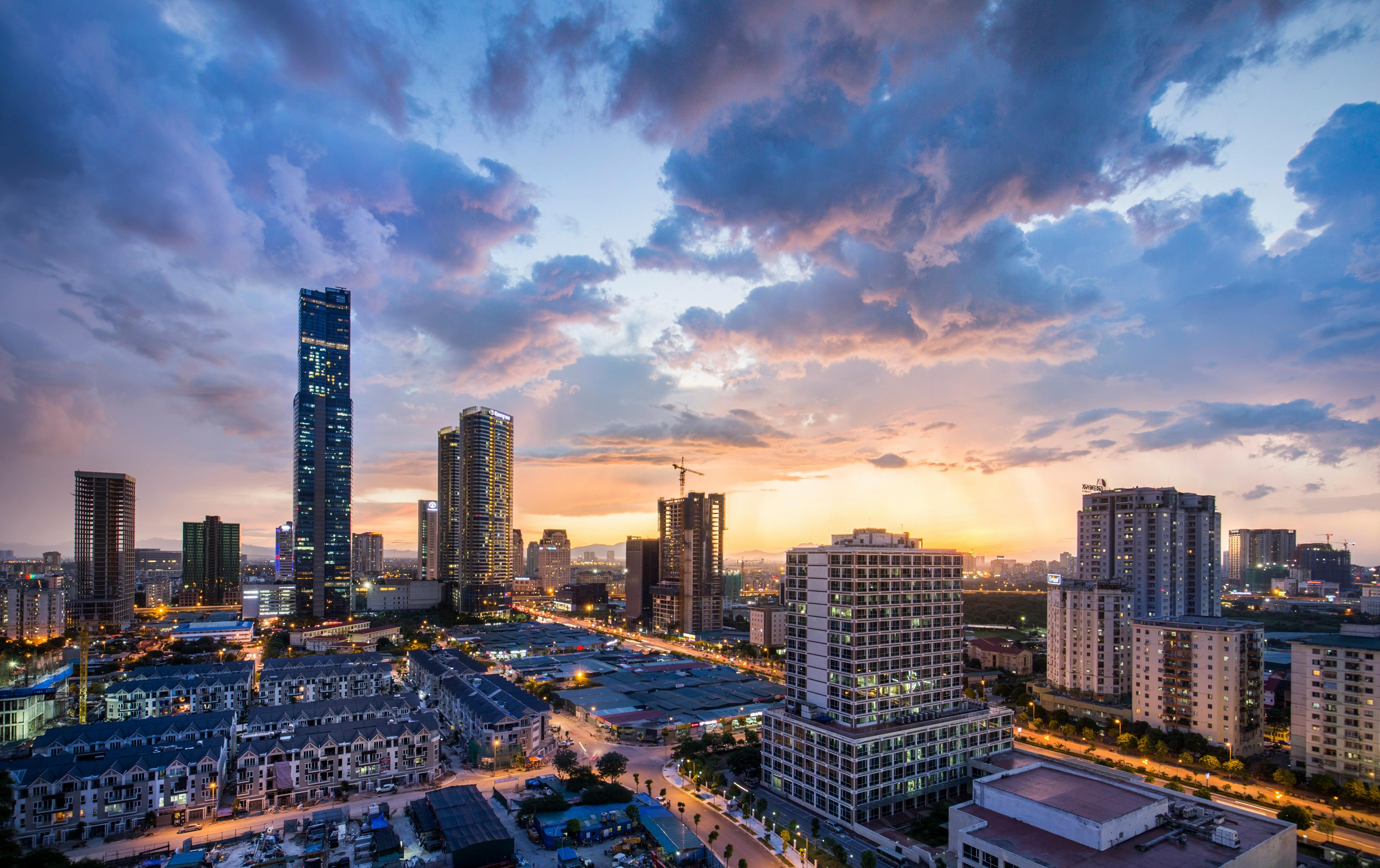
There are modern buildings, busy roads, rooftop cafés, shopping areas and a lively nightlife scene. At the same time, historic buildings, temples, markets and colonial landmarks remain an important part of the city.
This contrast is one of the reasons Saigon is so interesting.
Walk Through the French Colonial Quarters
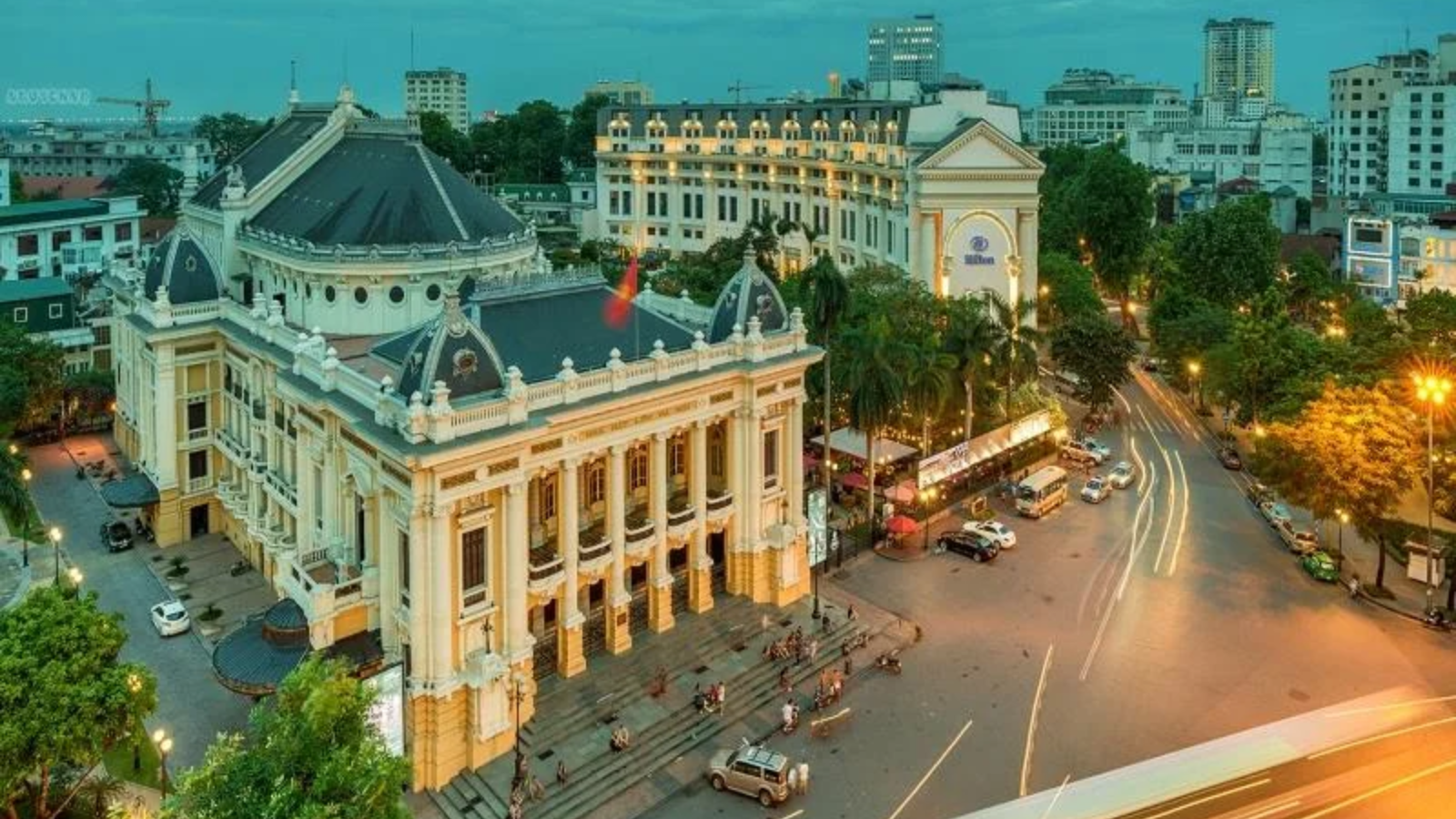
One of the highlights of Ho Chi Minh City is its French colonial architecture.
The area around Dong Khoi Street includes several landmarks associated with the city's colonial period, including the Central Post Office, Notre Dame Cathedral Basilica and Saigon Opera House. Vietnam Tourism specifically recommends walking along Dong Khoi Street to see these landmarks.
The Central Post Office is particularly interesting because it remains a functioning post office.
The building's large interior, architectural details and historical character make it one of the city's most photographed landmarks.
Nearby, the Opera House provides another example of the architectural influence of the French colonial era.
Walking between these landmarks gives you a different perspective on Saigon. Instead of simply visiting individual attractions, you begin to understand how the city developed over time.
Visit Ben Thanh Market
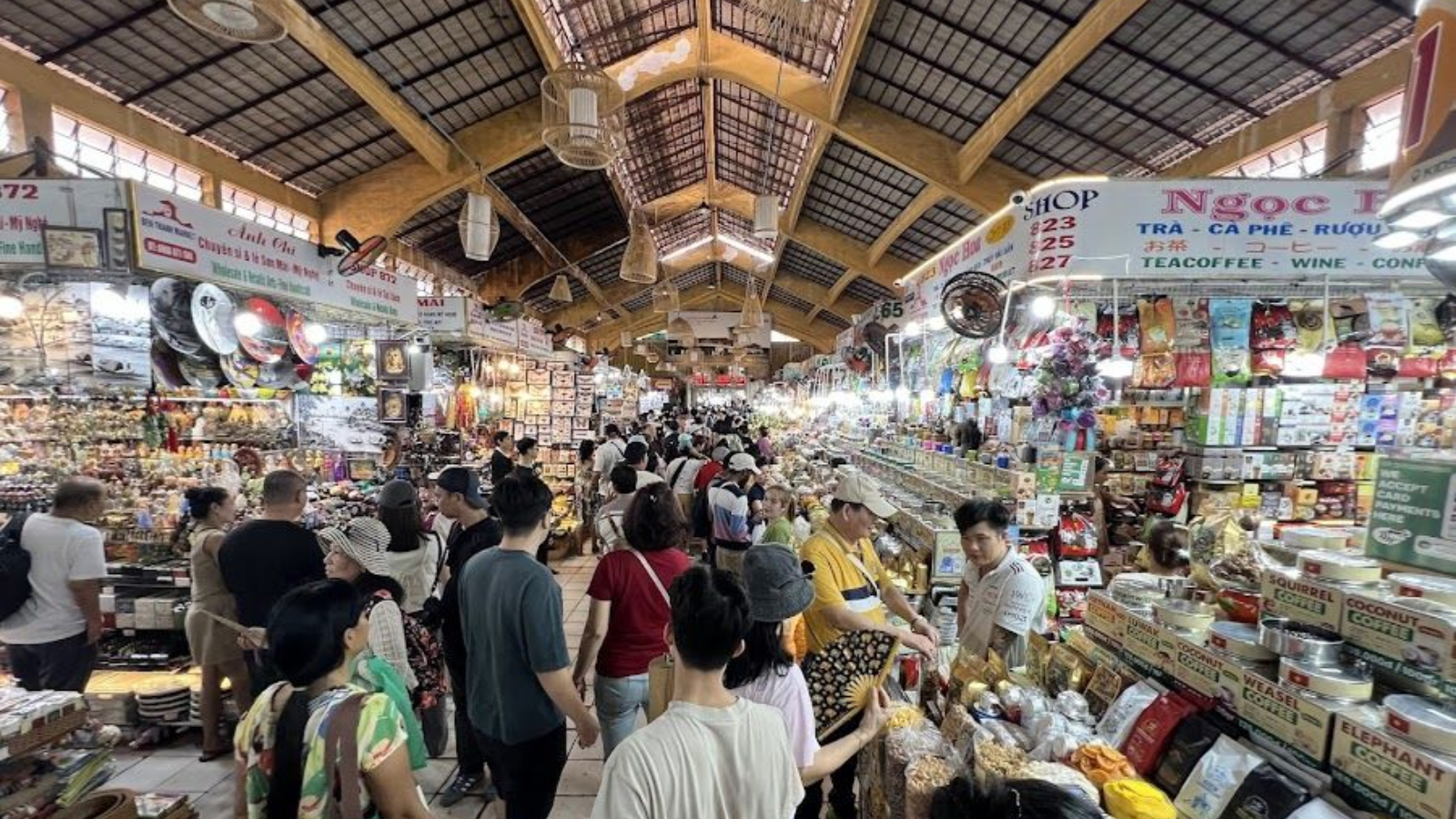
No first visit to Saigon feels complete without spending some time at a local market.
Ben Thanh Market is one of the city's best-known markets and is highlighted by Vietnam Tourism among its major attractions.
You can browse clothing, souvenirs, local products, snacks and food stalls.
The market can be busy, so take your time and keep your belongings secure.
For travellers who enjoy photography, markets also provide an opportunity to see everyday commerce and local interactions rather than only traditional tourist attractions.
Experience Saigon's Street Food
Saigon is a great city for food lovers.
Vietnam Tourism highlights local favourites including banh mi, southern-style banh xeo and com tam, along with the city's broader street-food culture.
A food-focused evening can be a great way to experience the city.
Try a small local restaurant, visit a market or join a guided food tour.
Vietnamese coffee is also worth experiencing.
The country's strong coffee culture means cafés are everywhere, from modern specialty coffee shops to tiny traditional establishments.
Explore the Cu Chi Tunnels
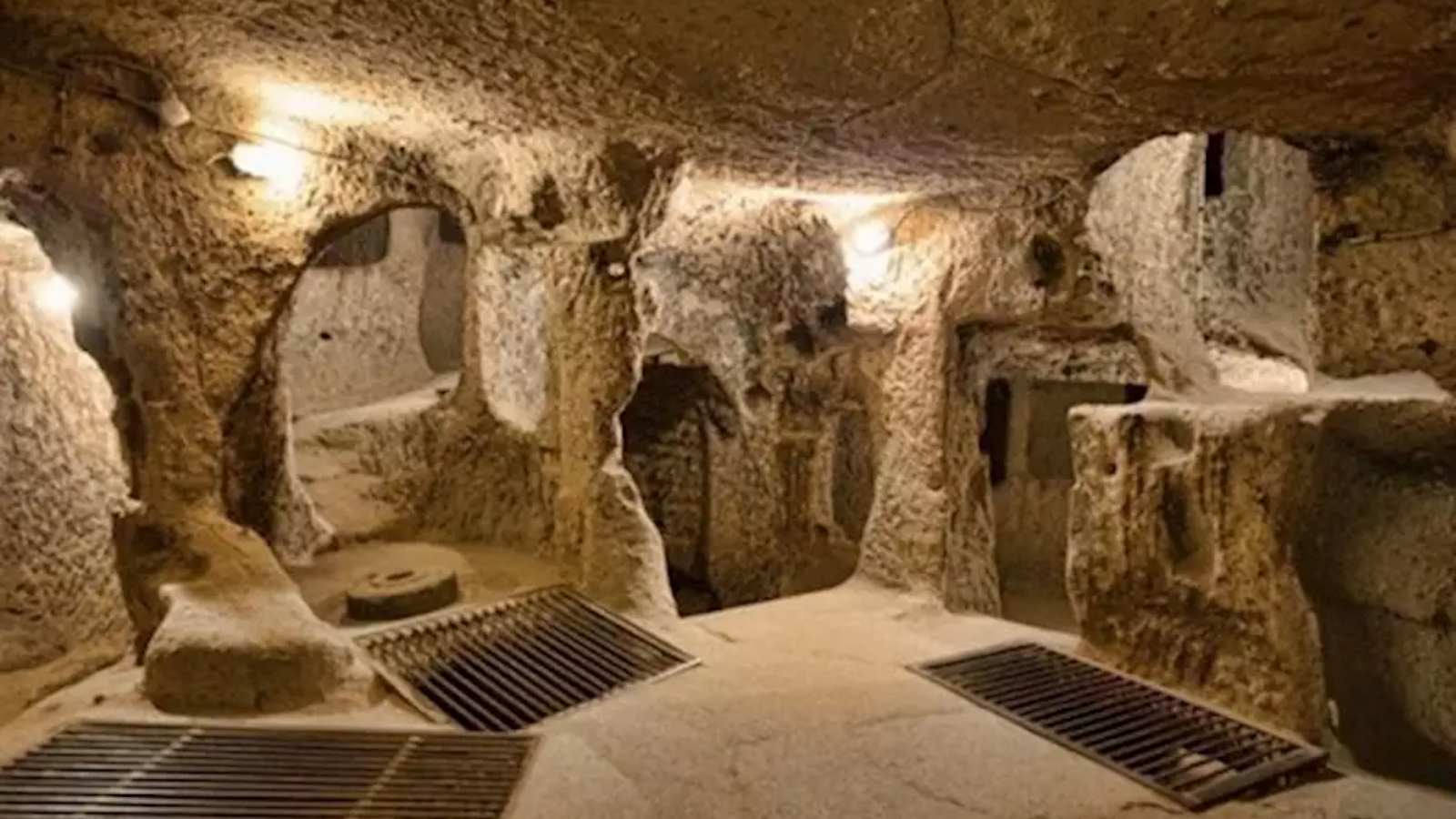
The Cu Chi Tunnels provide one of the most historically significant excursions from Ho Chi Minh City.
Located around 70 kilometres northwest of central Ho Chi Minh City, the tunnel network is extensive and includes underground passages and areas that were used for living, storage, medical care and other activities during wartime. Vietnam Tourism describes the tunnels as an important historical site connected with events from 1945 to 1975.
For visitors, the experience is about understanding history rather than simply seeing an underground tunnel.
Guided visits generally introduce the historical background before visitors explore sections of the tunnel system and see surviving structures and exhibits.
Because some tunnel areas are narrow, travellers who are uncomfortable in confined spaces should take this into consideration. Vietnam Tourism also specifically notes this concern.
A visit to the Cu Chi Tunnels can be emotionally and historically significant, so giving yourself enough time to listen to the guide and understand the context can make the experience more meaningful.
Take a Journey into the Mekong Delta
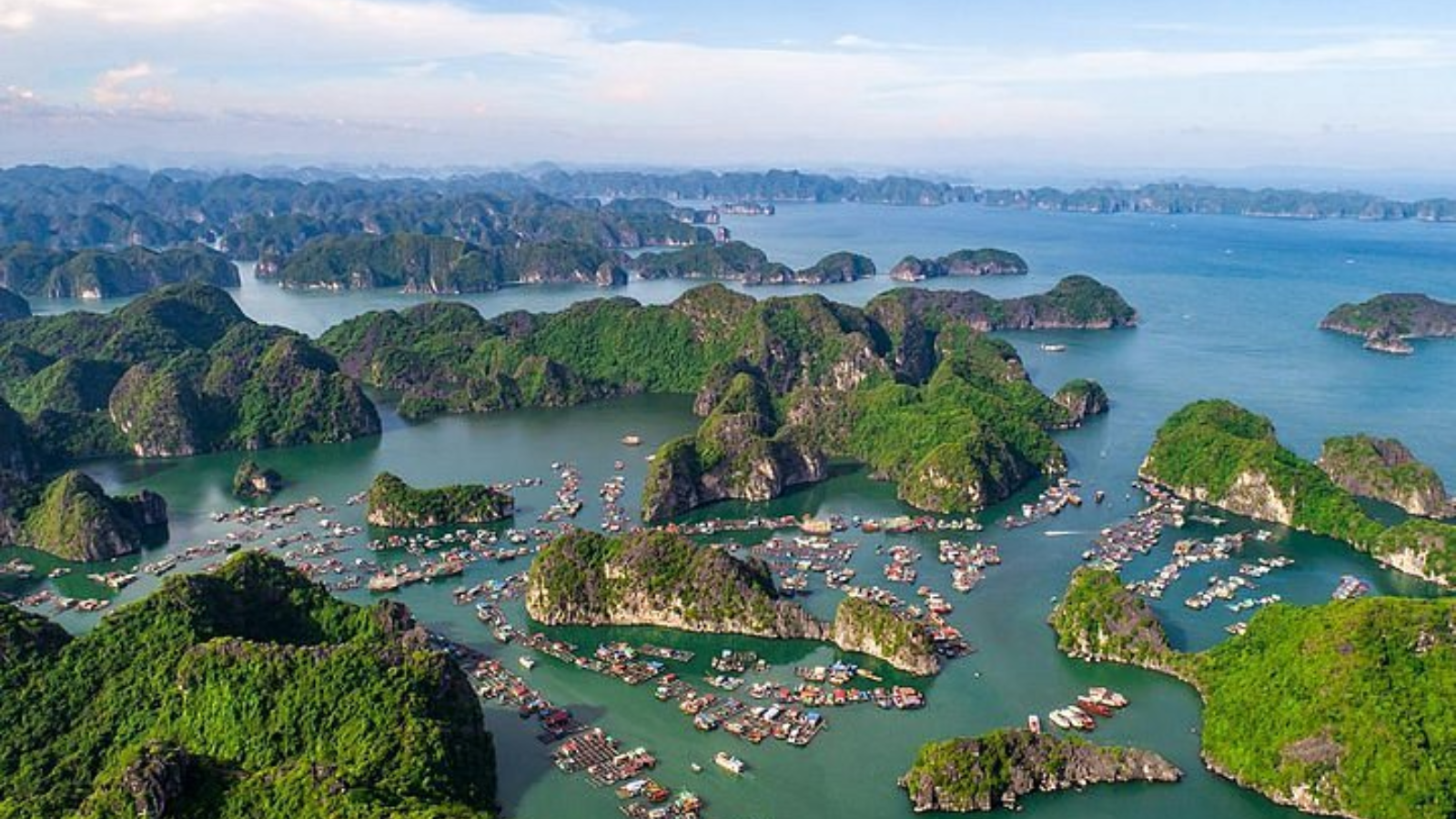
After the energy of Saigon, the Mekong Delta offers an entirely different atmosphere.
The Mekong Delta is shaped by waterways, villages, agriculture and riverside communities. Vietnam Tourism describes the region as extending toward the sea through waterways, villages and mangrove landscapes.
The change can feel remarkable.
One moment you are surrounded by traffic and high-rise buildings. The next, you are travelling by boat through quieter waterways surrounded by greenery.
This is one of the best reasons to include the Mekong Delta in a Hanoi-to-Saigon itinerary.
Explore Ben Tre's Coconut Country
Ben Tre is a popular starting point for exploring parts of the Mekong Delta.
Official Vietnam Tourism itineraries include boat trips through channels surrounded by coconut forests, village walks, visits to local homes and cycling through rural roads.
The experience is not about ticking off a long list of attractions.
Instead, it is about seeing another side of Vietnam.
You may pass farmers working in fields, small homes beside waterways, fruit gardens and boats transporting goods.
The slower pace makes the Mekong Delta a welcome contrast to the major cities.
Visit a Floating Market
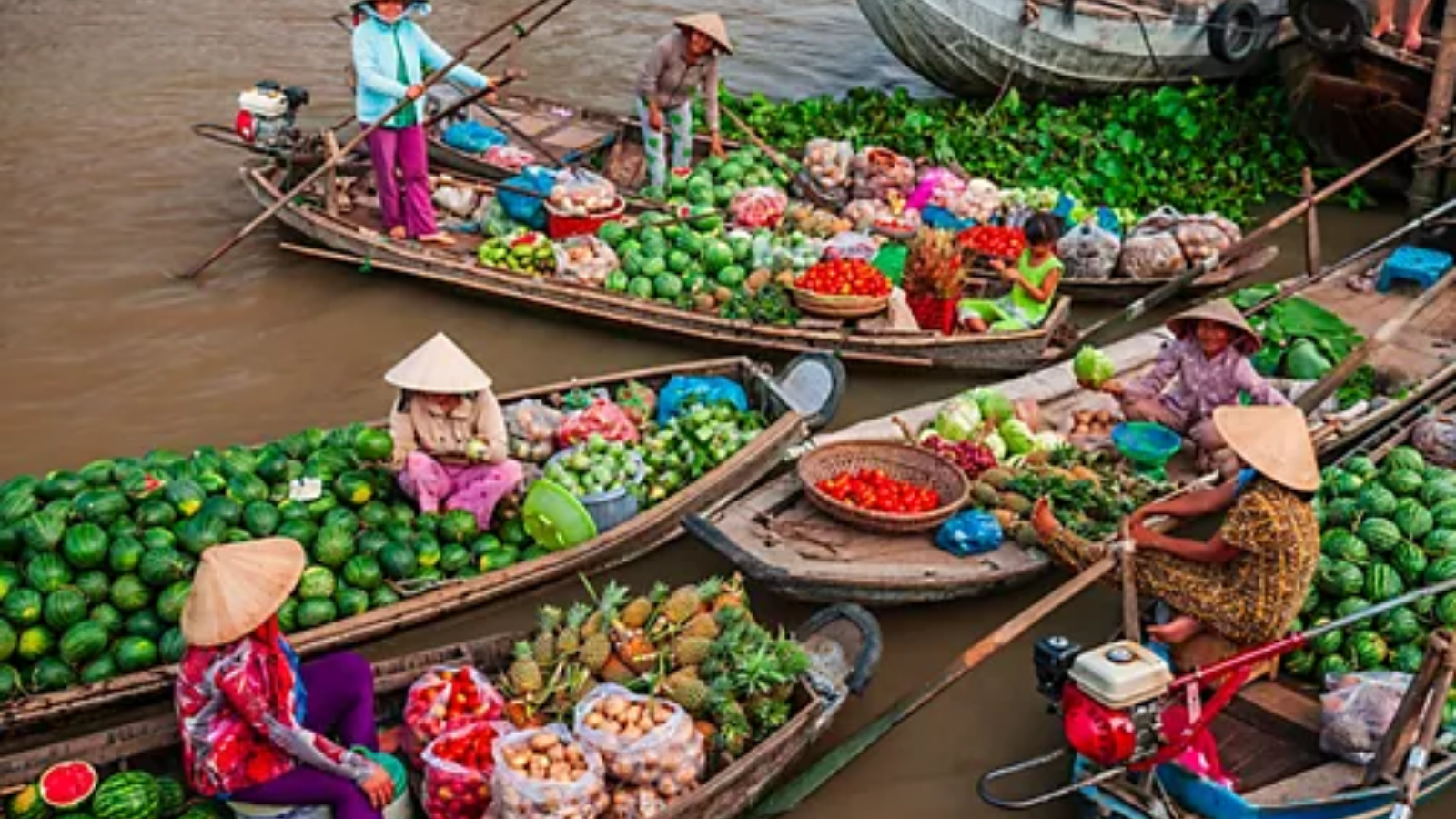
For travellers who want to see traditional river life, a floating market can be an interesting addition.
Cai Rang Floating Market near Can Tho is included in Vietnam Tourism's longer north-to-south itineraries. Visitors can observe boats selling and transporting goods along the waterways.
The experience is especially interesting early in the day when activity is underway.
If your schedule allows an overnight stay in Can Tho, you can experience the region at a slower pace instead of returning immediately to Ho Chi Minh City.
Hanoi to Saigon: A Suggested 10-Day Itinerary
A longer holiday can combine the highlights without making the journey too rushed.
Day 1: Arrive in Hanoi and relax.
Day 2: Explore Hanoi Old Quarter, Hoan Kiem Lake and the Temple of Literature.
Day 3: Visit additional Hanoi attractions and enjoy local food.
Day 4: Travel to Halong Bay and enjoy an overnight cruise.
Day 5: Return from Halong Bay and continue your journey.
Day 6: Travel through central Vietnam or fly onward to Ho Chi Minh City.
Day 7: Explore Ho Chi Minh City's colonial landmarks, markets and city centre.
Day 8: Visit the Cu Chi Tunnels and return to Saigon.
Day 9: Travel into the Mekong Delta and explore waterways and villages.
Day 10: Return to Ho Chi Minh City and depart.
The exact route can be adjusted depending on flights, travel dates and the destinations you want to include.
TrawelMart's current 10-day Vietnam itinerary similarly combines Hanoi, Halong Bay, Ninh Binh, Da Nang, Ba Na Hills and Ho Chi Minh City, with Cu Chi Tunnels and a Mekong Delta boat experience.
A Shorter 6-Day Vietnam Itinerary
If you have less time, you can simplify the trip.
Spend the first two days exploring Hanoi and then fly south to Ho Chi Minh City.
Use one day for Saigon sightseeing, one day for the Cu Chi Tunnels and another day for the Mekong Delta.
TrawelMart currently offers a six-day Vietnam package covering three cities, with Hanoi sightseeing, Saigon, Cu Chi Tunnels and guided experiences included.
A shorter itinerary means fewer destinations, but it can still provide a good introduction to Vietnam.
Best Time for a Hanoi to Saigon Trip
Vietnam's climate varies considerably from north to south, so there is no single period that produces exactly the same weather across the entire country.
TrawelMart currently recommends October to April as a favourable period for Vietnam travel, particularly for sightseeing and cruises.
However, weather conditions can vary by region.
Hanoi can have cooler periods, while southern Vietnam generally remains warmer. Rain can also occur during different periods depending on the destination.
Before booking, check the expected conditions for Hanoi, central Vietnam and Ho Chi Minh City separately.
What to Eat During Your Vietnam Journey
Food can become one of the highlights of travelling from Hanoi to Saigon because regional flavours vary.
In Hanoi, try pho and bun cha.
In central Vietnam, look for regional dishes such as cao lau and mi quang.
In Saigon, try banh mi, banh xeo and com tam.
Vietnamese coffee is worth trying throughout the country.
Street food can be inexpensive and delicious, but travellers should choose busy establishments with good food turnover and sensible hygiene practices.
If you follow a vegetarian diet, communicate your requirements clearly when ordering. TrawelMart's Vietnam packages also mention Indian meal options on selected itineraries, which can be useful for Indian travellers.
Vietnam for Couples
A Hanoi-to-Saigon journey can work well for couples because it combines different experiences.
You can begin with evening walks through Hanoi, enjoy a scenic Halong Bay cruise, explore the historic streets of central Vietnam and finish with dinner beside the Saigon River.
The Mekong Delta can provide a quieter experience after several days of sightseeing.
Couples who want more relaxation can also add a beach destination such as Phu Quoc to a longer itinerary.
Vietnam for Families
Vietnam can also be a rewarding family destination.
Children may enjoy boat rides, markets, cultural performances and the different landscapes encountered during the journey.
However, avoid packing too many destinations into a short trip.
A family itinerary should allow time for rest between flights, road journeys and sightseeing.
TrawelMart currently promotes Vietnam packages for families, couples and small groups, with guided sightseeing and organised transfers available in its itineraries.
Vietnam for First-Time International Travellers
For travellers taking their first international holiday, Vietnam offers a useful mix of structured sightseeing and independent exploration.
You can join guided tours for places such as the Cu Chi Tunnels and Mekong Delta while keeping free evenings for exploring Hanoi or Saigon independently.
This combination allows you to experience Vietnam without having every minute of the trip planned.
Vietnam Travel from India
Vietnam is increasingly included in international holiday plans from India because it offers a combination of cultural experiences, natural attractions, food and relatively compact travel connections between major tourist destinations.
TrawelMart currently offers Vietnam packages designed for Indian travellers, including visa assistance, flights, hotels, guided sightseeing and Indian meal options on selected tours.
Travellers from cities such as Chennai, Bangalore, Mumbai and other Indian cities can choose between group and private travel options depending on the package.
When comparing Vietnam tour packages from India, look beyond the headline price.
Check what is included in the package, particularly domestic flights, hotel category, meals, transfers, sightseeing, visa support and excursions.
Why Choose TrawelMart for Your Vietnam Holiday?
A north-to-south Vietnam journey involves multiple cities, transfers, sightseeing experiences and, in some itineraries, domestic flights.
Planning everything independently is possible, but coordinating each component can take considerable time.
TrawelMart currently offers Vietnam packages ranging from shorter six-day trips to longer itineraries covering Hanoi, Halong Bay, Da Nang, Hoi An and Ho Chi Minh City.
Its Vietnam travel offerings also include guided sightseeing, hotel stays, transfers and visa assistance for Indian travellers, depending on the selected package.
The itineraries can also be suitable for different travel styles, including family holidays, couples' trips and group travel.
For travellers who want to customise their holiday, TrawelMart can also help create an itinerary around preferred destinations and experiences.
Final Thoughts
A Hanoi-to-Saigon journey is one of the most interesting ways to experience Vietnam.
Hanoi introduces you to traditional streets, historic landmarks, temples, local food and northern Vietnamese culture.
The journey south can then continue through scenic destinations such as Halong Bay, Da Nang or Hoi An if your schedule allows.
Finally, Ho Chi Minh City brings a completely different energy. Its French colonial landmarks, markets, cafés, food streets and modern skyline show another side of Vietnam.
Beyond Saigon, the Cu Chi Tunnels provide an important historical experience, while the Mekong Delta offers a slower journey through waterways, villages, coconut groves and agricultural landscapes.
Together, these experiences show why Vietnam is more than a single-destination holiday.
It is a country best experienced through contrast: old and new, city and countryside, history and modern life, busy streets and quiet waterways.
Whether you are planning a six-day introduction or a longer Vietnam holiday from India, a carefully planned north-to-south itinerary can turn your trip into a journey filled with culture, history, food and unforgettable landscapes.