
Planning an international holiday often comes down to one important question: when should you travel?
Choosing the right destination matters, but choosing the right travel period can be just as important.
Many travellers automatically think of summer as the best time for an overseas holiday. The weather is often warm, school holidays are convenient for families, and destinations are filled with activities. However, summer is also the peak travel season in many parts of the world. Flights can become more expensive, hotels can fill quickly, and famous attractions may be crowded.
There is another option that can provide a different balance.
Shoulder season refers to the period between a destination's peak and low seasons. In many destinations, this falls during spring or autumn. Europe, for example, generally sees fewer visitors outside the July-August peak, and official European tourism guidance highlights fewer crowds, a slower pace and potentially lower costs as advantages of travelling outside peak season.
For Indian travellers planning an international vacation, shoulder season can be particularly interesting because it may offer a combination of more comfortable sightseeing conditions, better accommodation availability and opportunities to find lower fares.
However, shoulder season is not a universal fixed period. It changes according to the destination.
Spring in Japan is different from spring in Europe. Autumn in Australia is different from autumn in Switzerland. Even within Europe, September may behave differently in Greece, Iceland or Scandinavia.
So, rather than simply looking for the cheapest month, the smarter approach is to choose a destination where weather, prices, crowds and experiences work together.
This guide explores some of the most interesting shoulder-season destinations and explains how travelling in spring or autumn can help you get more value from your holiday.
What Is Shoulder Season?
Shoulder season is the period between a destination's high season and low season.
It is often described as the "in-between" period.
During peak season, demand is at its highest. Hotels may charge more, flights can become expensive, popular attractions are busy and reservations may need to be made well in advance.
During the low season, prices can fall further, but some attractions, restaurants, tours or transportation services may operate on reduced schedules.
Shoulder season sits between the two.
The weather can still be suitable for many activities, while visitor numbers and demand may be lower than during the peak.
Europe's official tourism portal specifically notes that shoulder-season travel can bring fewer crowds, a slower travel pace, more spacious attractions and lower costs, although the exact timing varies by country and climate.
For many travellers, that makes spring and autumn an attractive compromise.
Why Can Shoulder Season Be Cheaper?
The basic reason is supply and demand.
When fewer travellers are competing for flights and hotel rooms, travel companies may have more flexibility with pricing.
Hotels may offer lower rates outside the busiest periods. Airlines may have different fare levels depending on demand. Tour operators may introduce seasonal offers to encourage bookings.
This does not mean every flight or hotel is automatically cheaper.
A major festival, public holiday, sporting event or school vacation can push prices higher even during shoulder season.
That is why flexibility is important.
TrawelMart's own Europe budget travel guide identifies April-May and September-October as Europe's shoulder seasons and notes that flights and hotels can be more affordable while major attractions are less crowded.
The key is to look at the complete holiday cost, not just the flight.
A slightly cheaper flight is not very useful if hotels are expensive.
Likewise, a discounted hotel may not provide much savings if transportation or activities become significantly more expensive.
The Three Main Ways Shoulder Season Can Save Money
Lower Accommodation Costs
Hotels are often one of the largest expenses during an international trip.
During peak summer or major holiday periods, popular properties can increase their rates because demand is high.
Travelling during the shoulder period can provide more accommodation choices and, depending on the destination and dates, potentially better prices.
The advantage becomes even more noticeable for families and groups who need multiple rooms.
A small difference per room per night can become a substantial saving across a week-long holiday.
Better Flight Opportunities
Airfares are influenced by many factors, including demand, route availability, booking time and holidays.
Shoulder season does not guarantee cheap flights, but travelling outside peak demand periods can create more opportunities to find competitive fares.
Current 2026 travel research has continued to identify spring and autumn as periods when travellers can find better-value trips in several European destinations.
Flexible departure dates can make an even bigger difference.
Travelling a few days earlier or later can sometimes change the overall cost considerably.
Less Time Lost in Crowds
Saving money is not only about the price shown on a booking screen.
Time also has value.
Standing in long queues, waiting for crowded transportation or spending extra time navigating packed attractions can reduce the amount of a destination you actually experience.
Shoulder-season travel can provide a slower sightseeing experience.
This can be especially valuable in cities such as Rome, Paris, Venice, Barcelona and Amsterdam, where famous attractions can become extremely busy during peak periods.
Top Shoulder-Season Destination: Italy
Italy is one of the most attractive choices for spring and autumn travel.
Cities such as Rome, Florence and Venice combine history, architecture, art, food and culture, making them suitable for sightseeing rather than purely weather-dependent holidays.
Spring brings pleasant conditions for exploring historic centres and outdoor attractions.
Autumn can offer comfortable city walks and a different atmosphere as summer crowds begin to decrease.
Venice is particularly interesting during the shoulder season.
The city is one of Europe's most visited destinations, and current travel coverage has highlighted spring and autumn as periods when visitors can experience its famous streets and canals with fewer crowds than during peak summer.
For Indian travellers, Italy can also be combined with Switzerland, France, Austria or other European destinations.
TrawelMart's current Europe portfolio includes itineraries that combine Italy with destinations such as France, Switzerland and the Netherlands.
Why Choose Italy in Spring or Autumn?
Spring is excellent for gardens, walking tours and city sightseeing.
Autumn can be particularly appealing for travellers interested in food, culture and photography.
Another advantage is that you do not need perfect beach weather to enjoy Italy.
Historic attractions remain open and interesting regardless of whether temperatures are suitable for swimming.
Switzerland in the Shoulder Season
Switzerland is often associated with summer mountains and winter snow.
But spring and autumn can also provide a beautiful travel experience.
The country combines mountain landscapes, lakes, scenic railways, historic towns and alpine destinations.
The shoulder season can be useful for travellers who want to explore cities such as Zurich, Lucerne and Bern while also experiencing the mountains.
However, travellers should remember that mountain conditions can change rapidly.
Some high-altitude attractions and mountain transportation operate seasonally, so schedules should always be checked before finalizing an itinerary.
TrawelMart's Europe packages currently include Switzerland alongside destinations such as France, Italy, Germany and the Netherlands. Its Splendour Europe itinerary, for example, includes Switzerland and Mount Titlis as part of an 11-day multi-country journey.
France: Paris Beyond the Summer Rush
Paris is another destination where shoulder season can make sense.
Spring brings blossoms, outdoor cafés and longer daylight, while autumn adds cooler temperatures and a different visual character to the city.
The biggest benefit for many travellers is simply being able to explore major landmarks without the intensity of peak summer crowds.
The Louvre, Eiffel Tower, Seine riverfront, Montmartre and Versailles can all require significant time even when visitor numbers are moderate.
A shoulder-season visit gives travellers more flexibility to combine sightseeing with relaxed meals and neighbourhood exploration.
France also works well as part of a multi-country European itinerary.
Travellers can combine Paris with Switzerland, Belgium, the Netherlands or Italy instead of planning France as a standalone trip.
Portugal: A Strong Shoulder-Season Choice
Portugal is another destination worth considering for spring and autumn.
Lisbon, Porto and the Algarve offer a mixture of history, food, coastline and architecture.
Spring can be pleasant for city walks and outdoor sightseeing.
Early autumn can be especially attractive for travellers who want warm conditions while avoiding the peak summer period.
Recent 2026 travel research has identified Portugal among European destinations where shoulder-season travel can provide a balance of weather, crowds and price.
Portugal is also useful for travellers who want a European experience without trying to cover too many countries in a short holiday.
Greece: Islands and Mainland Experiences
Greece is strongly associated with summer island holidays.
But that is exactly why spring and autumn can be interesting.
The peak summer months can bring high demand to famous islands.
During the shoulder season, travellers may find a quieter atmosphere in destinations such as Crete, Rhodes and other Greek islands.
The mainland also offers Athens and historic attractions that can be enjoyed outside the hottest part of summer.
Autumn can be particularly appealing for travellers who want to combine sightseeing with coastal experiences.
Current 2026 travel research identifies Crete among European destinations where mid-autumn can provide a combination of relatively warm sea temperatures and lower seasonal prices.
However, island travel requires additional planning.
Ferry frequencies, seasonal businesses and resort operations can change toward the end of the season, so travellers should check operating schedules before booking.
Spain in Spring and Autumn
Spain is another versatile shoulder-season destination.
Barcelona, Madrid and Seville offer a combination of architecture, culture, food and city experiences.
Spring is particularly attractive for walking around historic neighbourhoods and exploring outdoor attractions.
Autumn can also provide comfortable sightseeing conditions.
Spain has another advantage: travellers can choose between cities, beaches, mountains and cultural destinations depending on the season.
For a first-time traveller, a combination such as Madrid and Barcelona can provide a balanced introduction to the country.
For longer trips, Andalusia can add Seville, Granada and other historic destinations.
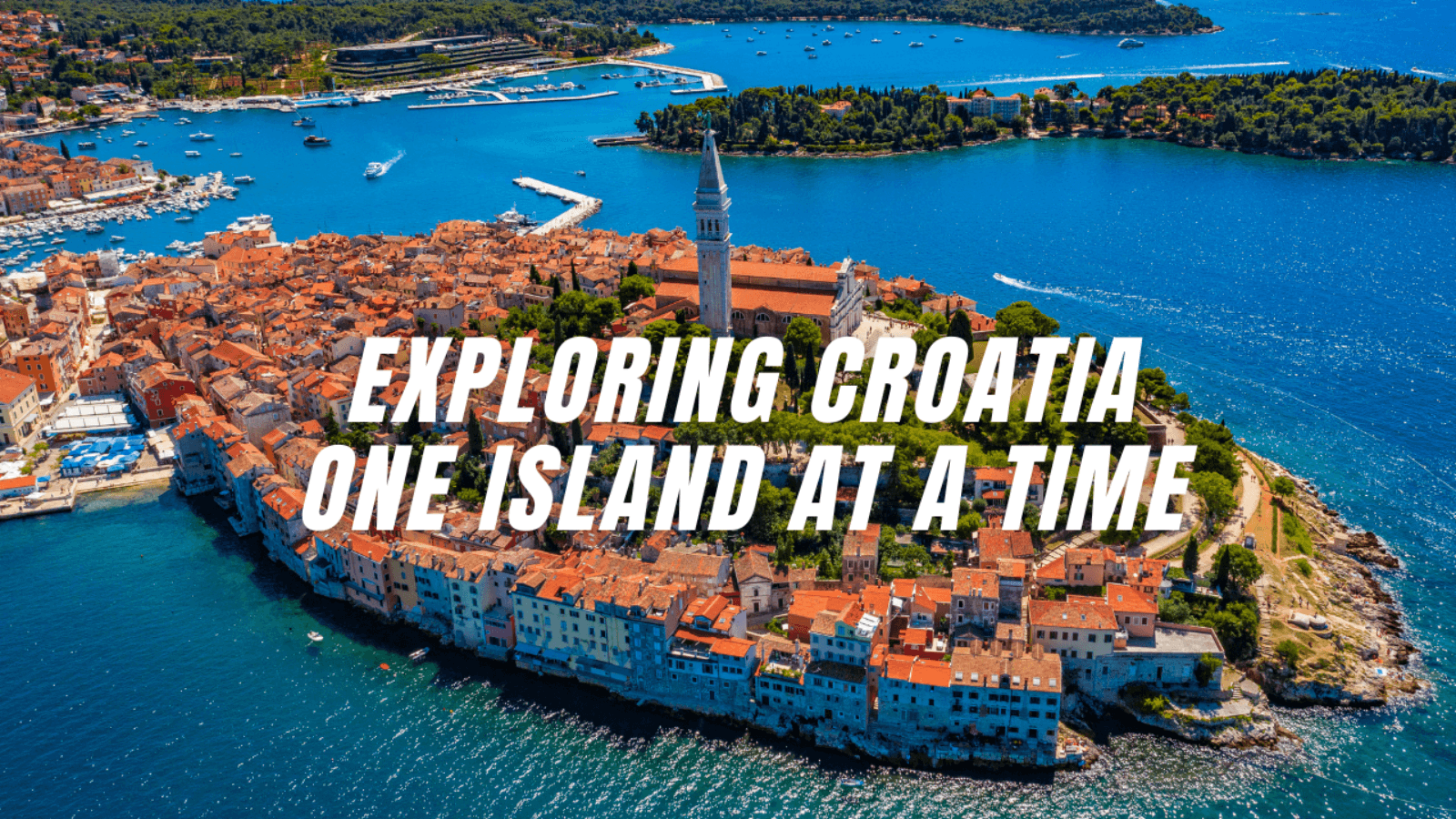
Croatia for an Autumn Escape
Croatia has become increasingly popular for its Adriatic coastline, historic towns and island scenery.
Summer is the busiest period for coastal travel.
Autumn can offer a more relaxed experience, particularly in cities such as Dubrovnik.
Recent 2026 travel reporting has highlighted Dubrovnik as an autumn destination where flight prices can be lower than during peak summer periods.
The shoulder season can therefore be useful for travellers who want to experience the historic side of Croatia without making a beach holiday the sole focus.
Japan: Spring Is More Than Cherry Blossoms
Japan is one of the most interesting examples of seasonal travel.
Spring is internationally famous because of cherry blossom season.
But this popularity also means that the most famous blossom periods can be extremely busy and expensive.
Travellers who want to visit Japan in spring should therefore distinguish between the broader spring season and the exact peak cherry blossom dates.
TrawelMart currently offers an 8-day Japan Cherry Blossom Tour covering Tokyo, Kyoto, Hiroshima and Osaka, as well as an 11-day Japan and South Korea Cherry Blossom Tour.
For travellers focused specifically on cherry blossoms, booking early is important.
If your priority is value rather than blossoms, other periods can be considered.
Autumn is another attractive season for Japan because of colourful foliage and comfortable sightseeing conditions.
Kyoto, Tokyo and other cultural destinations can be especially rewarding for travellers interested in temples, gardens and traditional architecture.
Australia: Consider the Right Region
Australia is different because the country covers a huge geographic area.
There is no single "Australian shoulder season" that works equally well everywhere.
Sydney, Melbourne, Cairns and the Gold Coast can have very different weather patterns.
That means travellers should plan according to the regions they want to visit.
TrawelMart currently offers Australia packages covering Sydney, Gold Coast, Cairns and Melbourne, including 8-day, 10-day, 11-day and longer itineraries.
For travellers planning Australia during spring or autumn, the itinerary should be designed around regional weather rather than assuming the whole country experiences the same conditions.
This is one reason why a professionally planned itinerary can be useful for large international destinations.
India: Shoulder Season Can Work Differently
Shoulder-season travel is not only about international destinations.
India itself has several periods that can be considered shoulder or transitional seasons depending on the region.
India's official tourism portal describes spring as running roughly from mid-February to April and autumn as a period with pleasant conditions in several regions. It highlights destinations such as Munnar, Wayanad, Srinagar, Ladakh and Hampi for different seasonal experiences.
This demonstrates an important point:
Seasonality is destination-specific.
You should never assume that "spring" or "autumn" automatically means cheaper or better everywhere.
The local climate, school holidays, festivals, events and tourism demand all matter.
Europe Is Particularly Suitable for Shoulder-Season Travel
Europe deserves special attention because it contains so many destinations within relatively short travel distances.
A traveller can experience several countries during one holiday.
This makes shoulder-season planning particularly valuable.
Instead of visiting only one destination during peak summer, travellers can plan a multi-country itinerary during spring or autumn when sightseeing conditions are often comfortable.
TrawelMart currently offers several European itineraries for Indian travellers.
Its Classic Europe 9 Days package covers five countries and four cities.
Its Splendour Europe 11 Days package covers seven countries and six cities.
Its Best of Europe 12 Days itinerary covers seven countries and twelve cities.
Its Golden Europe 18 Days itinerary extends the journey across multiple European countries and cities.
This range allows travellers to choose an itinerary according to their available vacation time.
Spring vs Autumn: Which Should You Choose?
Both seasons have advantages.
Spring Travel
Spring is ideal for travellers who enjoy:
Blooming gardens and flowers
Longer daylight
Fresh landscapes
Outdoor sightseeing
Mild temperatures in many destinations
Cultural festivals and seasonal events
Spring can be particularly attractive for city breaks and scenic European journeys.
However, some mountain destinations may still have winter conditions at higher elevations.
Autumn Travel
Autumn is ideal for travellers who enjoy:
Cooler sightseeing weather
Autumn foliage
Wine and food experiences
Lower crowds after summer
Photography
Cultural and heritage travel
Autumn can be especially attractive in Europe and Japan.
But later autumn can transition quickly into colder conditions, and some seasonal attractions may reduce their operating schedules.
How to Calculate the Real Cost of a Shoulder-Season Trip
Do not compare only flight prices.
Instead, calculate the complete holiday.
Start with airfare.
Then add accommodation.
Next consider airport transfers, intercity transportation, sightseeing tickets, meals, travel insurance and visa-related costs.
Also consider the cost of getting to and from attractions.
A hotel that costs slightly more but is centrally located may actually reduce transportation costs and save valuable sightseeing time.
Similarly, a cheaper flight arriving very late at night may require additional transfer costs or an extra hotel night.
The cheapest individual component does not always create the cheapest overall trip.
How to Save Even More During Shoulder Season
Travel Outside School Holidays
Family travel demand can remain high during school breaks.
If your schedule allows, travelling outside these periods can provide more opportunities for competitive fares and accommodation.
Compare Departure Days
Do not assume every day of the week costs the same.
Check several departure and return combinations.
Even a one-day change can affect airfare and hotel availability.
Book Popular Attractions Early
Shoulder season does not mean attractions will be empty.
Major landmarks can remain busy, particularly in famous European cities.
Book timed-entry attractions where required.
Choose Multi-City Flights Carefully
For multi-country European trips, flying into one city and returning from another can sometimes reduce unnecessary backtracking.
For example, a traveller might arrive in Paris and depart from Milan rather than returning to Paris.
The exact fare should always be compared before booking.
Look Beyond the Most Famous City
Sometimes the best savings come from choosing an alternative destination.
Instead of staying directly in a major tourist centre, consider a nearby city with good transport connections.
This can reduce accommodation costs while still providing access to major attractions.
Sample 10-Day Shoulder-Season Europe Itinerary
A spring or autumn Europe holiday could be structured like this:
Day 1: Arrive in Paris and relax.
Day 2: Paris city sightseeing.
Day 3: Explore Paris and enjoy free time.
Day 4: Travel to Switzerland.
Day 5: Lucerne and surrounding attractions.
Day 6: Swiss Alps experience.
Day 7: Travel towards Italy.
Day 8: Explore Milan.
Day 9: Venice sightseeing.
Day 10: Departure.
This type of itinerary focuses on a manageable number of destinations rather than trying to cover the entire continent.
TrawelMart's current European portfolio similarly combines major European cities with scenic destinations and guided experiences.
Sample 7-Day Japan Autumn Itinerary
For an autumn Japan trip, travellers could consider:
Day 1: Arrive in Tokyo.
Day 2: Tokyo city sightseeing.
Day 3: Tokyo and surrounding attractions.
Day 4: Travel to Kyoto.
Day 5: Kyoto temples and traditional districts.
Day 6: Kyoto and Osaka.
Day 7: Departure.
A longer trip could add Hiroshima, Nara or additional time in Osaka.
The advantage of a customized itinerary is that the number of destinations can be adjusted according to the traveller's available time.
Who Benefits Most From Shoulder-Season Travel?
Shoulder-season travel can work particularly well for couples who have flexible dates.
It can also suit retirees, remote workers and travellers without school-calendar restrictions.
Photographers may enjoy the changing landscapes and softer crowds.
Families can benefit when their travel dates fall outside school holidays.
Budget-conscious travellers can use shoulder season to allocate more of their budget toward experiences rather than peak-season accommodation.
For honeymooners, shoulder season can provide a balance between comfortable weather, availability and quieter surroundings.
When Shoulder Season May Not Be the Right Choice
Shoulder season is not always the best option.
If your primary goal is swimming in warm Mediterranean waters, late spring or early autumn may work better than early spring or late autumn.
If you want skiing, you need to travel during the appropriate winter period.
If you want to experience a specific festival, you need to travel according to its dates regardless of seasonal pricing.
If a particular attraction closes outside peak season, travelling during shoulder season may not make sense.
Therefore, the right question is not simply:
"When is travel cheapest?"
Instead ask:
"When can I get the experience I want at a reasonable overall cost?"
Why TrawelMart Can Help With Shoulder-Season Travel Planning
Shoulder-season travel requires more than simply selecting April, May, September or October.
The ideal dates depend on the destination, itinerary and experiences you want.
TrawelMart's current Europe offering provides multiple departure dates throughout the year and highlights curated routes, flexible timing, travel insurance and 24/7 emergency support.
Its current European portfolio includes shorter and longer itineraries, allowing travellers to select an international holiday according to their available vacation period.
For example, TrawelMart's Classic Europe 9 Days package is currently listed with an Autumn Adventures tag, while its Splendour Europe package includes spring/summer 2026 departures and highlights destinations such as London, Paris, Brussels, Amsterdam, Germany, Switzerland and Italy.
TrawelMart also offers destinations beyond Europe.
Its current Japan portfolio includes a dedicated cherry blossom itinerary, while its Australia portfolio includes multiple packages covering Sydney, Cairns, Melbourne and the Gold Coast.
This makes it possible to compare different destinations and travel periods rather than choosing a holiday based only on peak-season habits.
Final Thoughts
Shoulder-season travel is one of the most practical ways to think differently about international holidays.
You do not always need to travel during the busiest summer months to experience a destination at its best.
Spring and autumn can provide a useful combination of comfortable sightseeing conditions, lower visitor pressure and potentially better value.
Europe is particularly suitable for this approach, with destinations such as Italy, France, Portugal, Spain, Greece, Croatia and Switzerland offering different experiences throughout the shoulder periods.
Japan provides another fascinating option, especially for travellers interested in spring blossoms or autumn colours.
Australia demonstrates why seasonality needs to be considered region by region.
The most important lesson is that shoulder season is not simply about finding the lowest price.
It is about finding the right balance between cost, weather, crowds, accommodation, attractions and the experiences you actually want.
Before booking, compare several dates, check local holidays and events, review seasonal operating schedules and calculate the complete trip cost rather than looking at airfare alone.
With thoughtful planning, travelling just outside the peak season can help you experience more while spending your travel budget more carefully.
For Indian travellers planning international holidays, TrawelMart's range of Europe, Japan, Australia and other overseas itineraries provides a starting point for comparing destinations, durations and seasonal travel options.
Sometimes, the best time to travel is not when everyone else is going.
It can be the season just before or just after the rush—when the destination still has much of what you came to experience, but the journey can feel a little more relaxed.