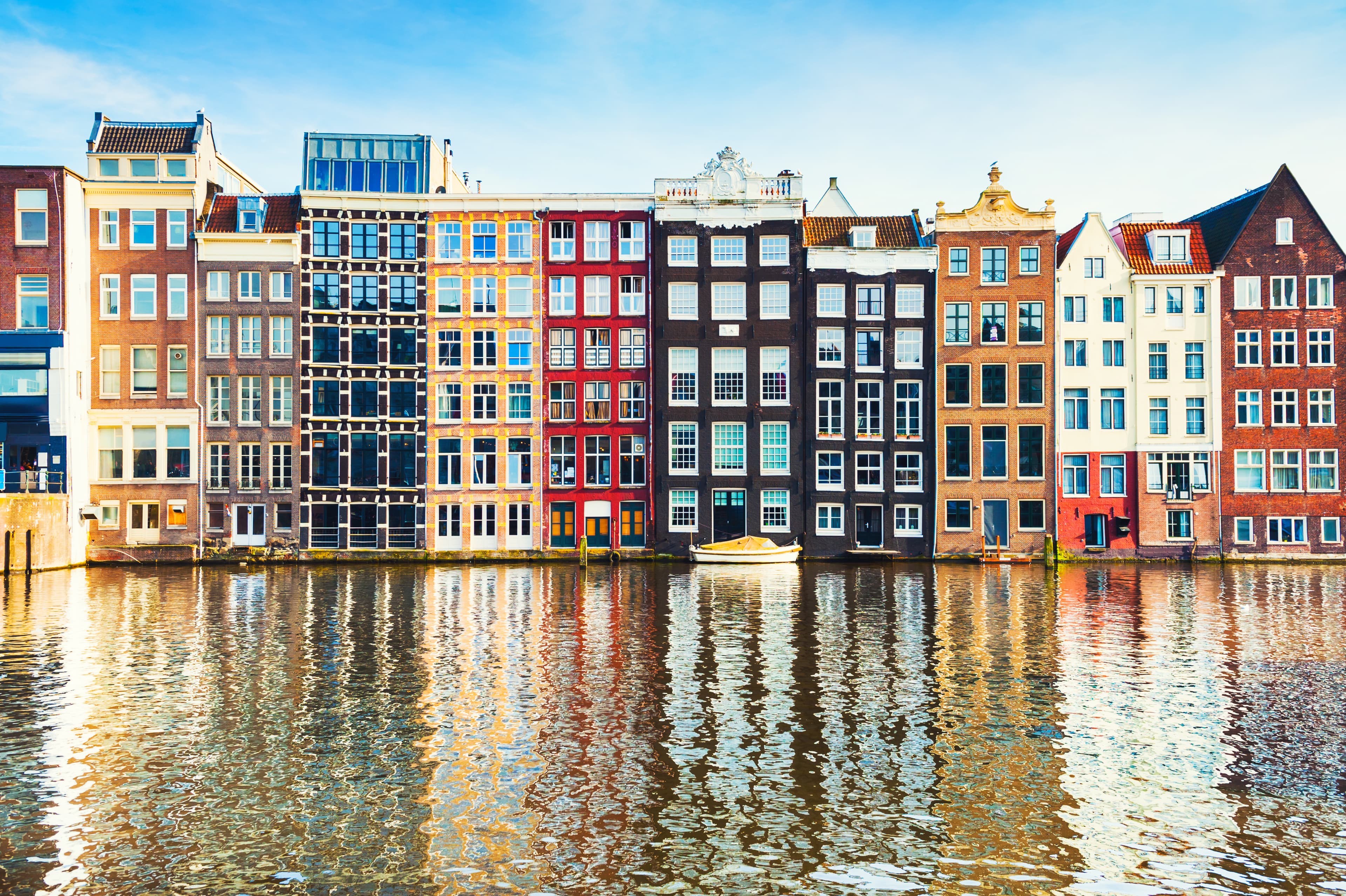

Scandinavia has a special charm that is difficult to find anywhere else in Europe. It combines beautiful natural landscapes with modern cities, rich history, simple design, fascinating traditions, and a relaxed way of life.
For travelers planning a European vacation, a Scandinavian capital tour covering Copenhagen, Stockholm, and Oslo is an excellent way to experience the region.
Copenhagen introduces you to Denmark's colourful harbour, royal history, cycling culture, charming streets, and modern Nordic lifestyle. Stockholm offers a beautiful combination of islands, historic buildings, museums, waterfront views, and Swedish culture. Oslo brings the journey closer to nature, with forests, waterfront neighbourhoods, museums, and the spectacular Oslo Fjord.
What makes this journey particularly special is the contrast between the three capitals.
You can walk beside colourful buildings in Copenhagen, explore medieval streets in Stockholm, and then cruise through the waters of the Oslo Fjord surrounded by islands and Scandinavian landscapes.
A well-planned Scandinavia tour package can bring these destinations together into a comfortable multi-city holiday, allowing travelers to experience both urban culture and natural beauty.
For travelers planning a Europe tour from India, Scandinavia also offers something different from the traditional Paris, Switzerland, or Italy routes.
Why Choose a Scandinavian Capital Tour?
Scandinavia is made up of countries with distinct identities, but they share many cultural and historical connections.
Copenhagen, Stockholm, and Oslo are particularly suitable for a first-time Scandinavian trip because each city provides a different experience.
Copenhagen is known for its colourful architecture, royal landmarks, canals, food, design, and relaxed atmosphere.
Stockholm is spread across islands and combines a historic old town with modern neighbourhoods, museums, restaurants, and waterfront scenery.
Oslo is smaller and more closely connected with nature. Mountains, forests, islands, and the Oslo Fjord are all within easy reach of the city.
Together, these destinations provide a balanced Scandinavian holiday.
You can explore historic attractions in the morning, enjoy Nordic food in the afternoon, and spend the evening beside the water.
Start Your Journey in Copenhagen
Copenhagen is the capital of Denmark and an excellent starting point for a Scandinavian journey.
The city is known for its colourful buildings, royal palaces, historic streets, cycling culture, waterfront areas, and modern Scandinavian design.
Copenhagen is also a relatively comfortable city to explore on foot.
Instead of trying to see everything in one day, take your time and enjoy the city's neighbourhoods.
The atmosphere is one of Copenhagen's greatest attractions.
Explore Nyhavn
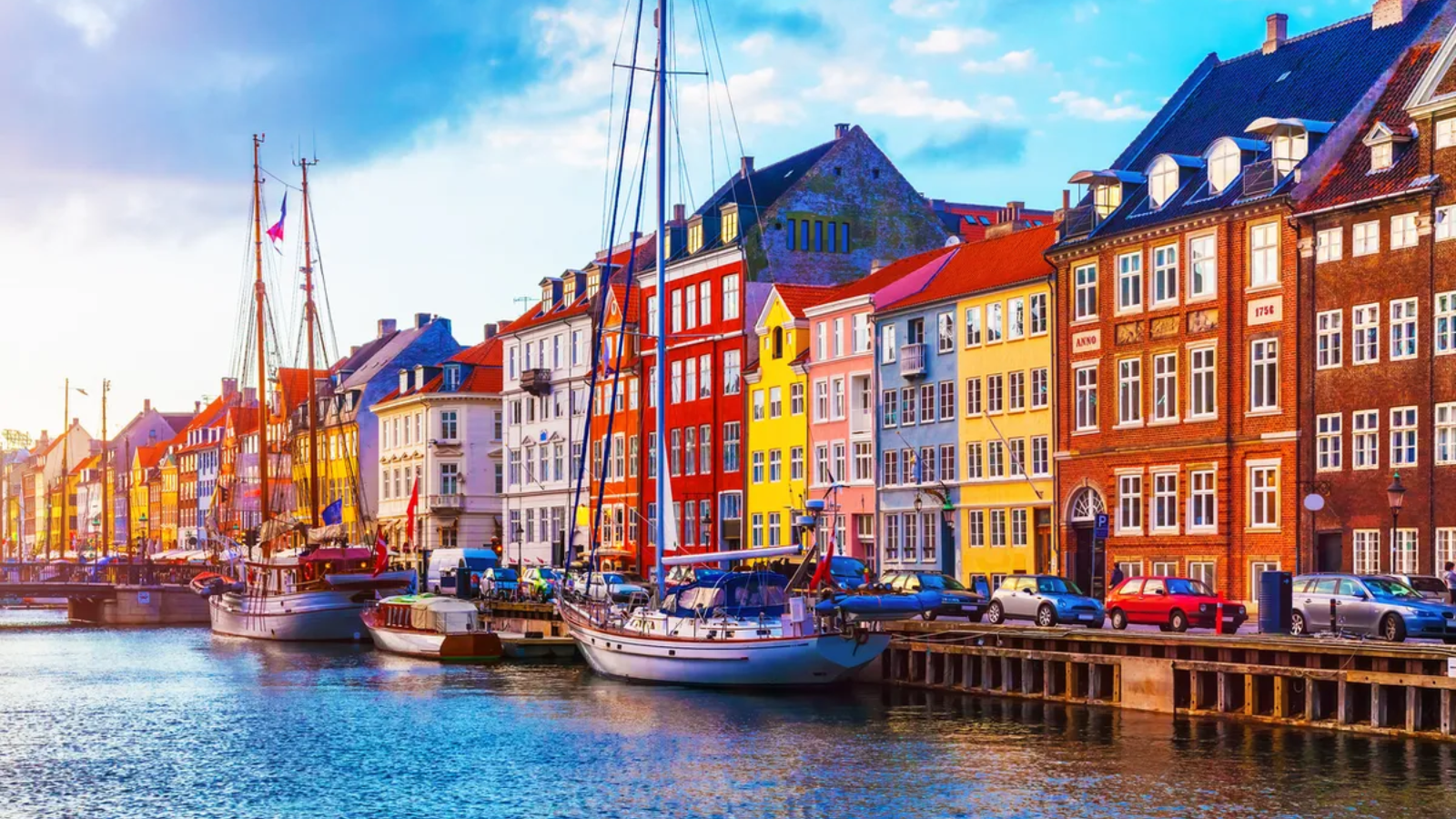
No Copenhagen travel guide would be complete without Nyhavn.
The colourful waterfront is one of the city's most recognizable sights.
Rows of brightly painted historic buildings line the canal, creating the classic Copenhagen postcard view.
The area was once associated with the city's maritime history and has now become one of its most popular places for restaurants, cafés, and sightseeing.
Walk along the waterfront and admire the historic ships.
You can also take a canal tour from the harbour to see Copenhagen from the water.
Nyhavn is particularly attractive in the evening when the buildings and waterfront restaurants create a lively atmosphere.
Visit Amalienborg Palace
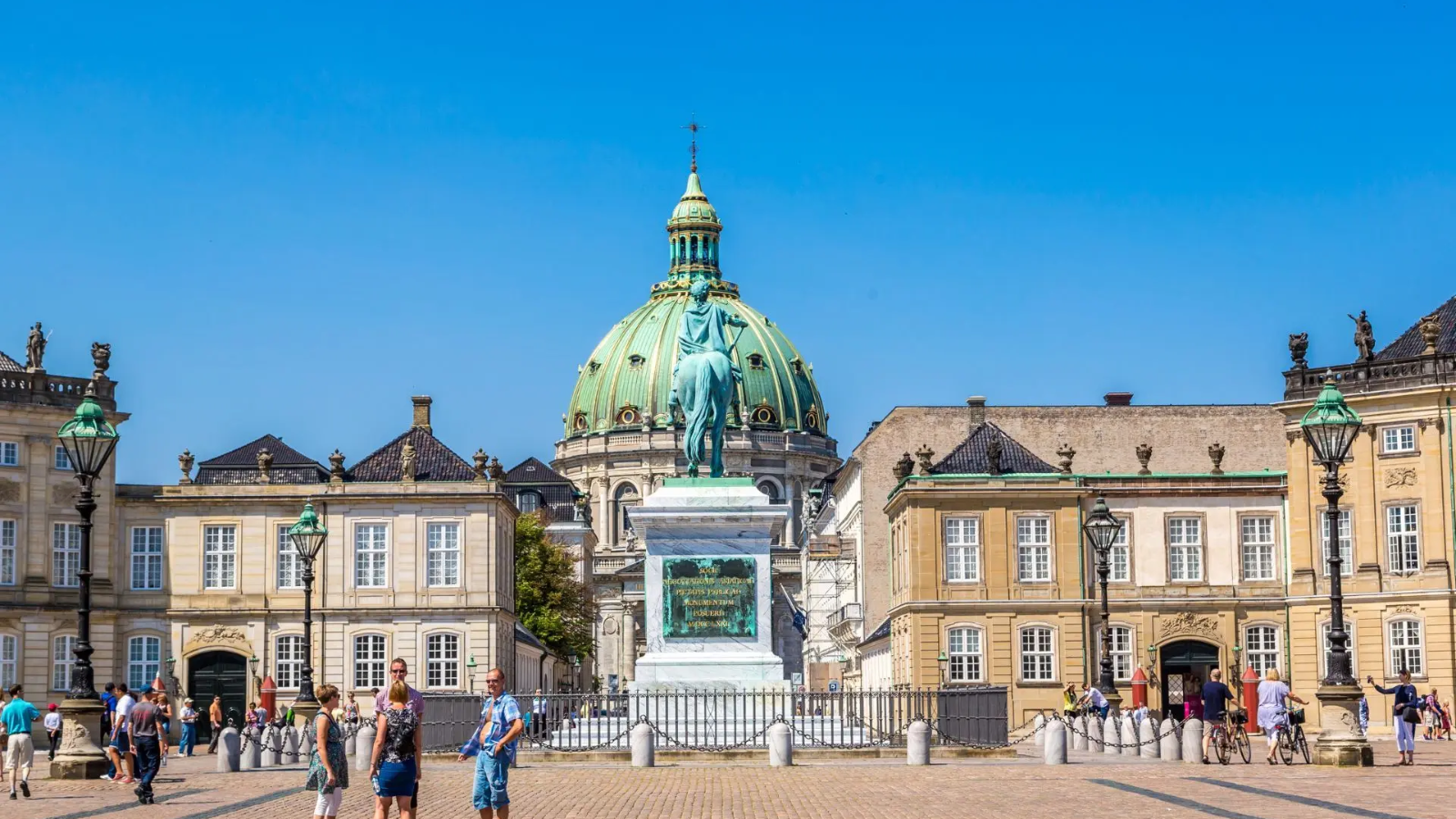
Copenhagen is home to the Danish royal family, and Amalienborg Palace is one of the most important royal landmarks in the city.
The palace complex consists of several buildings surrounding an elegant central square.
If you are interested in European royal history, this is an excellent place to include in your itinerary.
The changing of the guard can also be an interesting experience when it takes place.
The surrounding area is close to several other major Copenhagen attractions, making it convenient to combine with a city walking tour.
See Frederik's Church
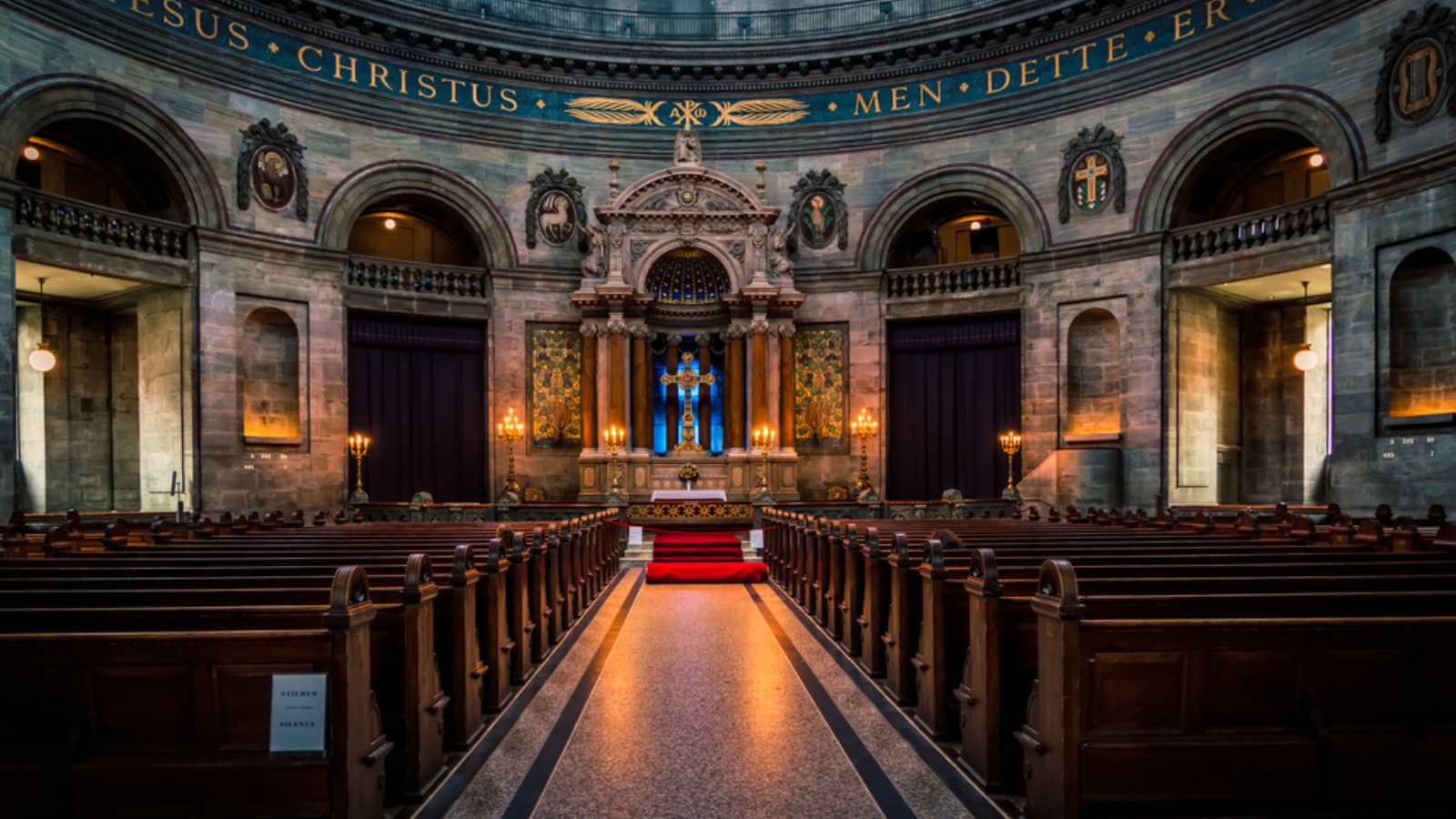
Located near Amalienborg, Frederik's Church is another impressive Copenhagen landmark.
The church is often called the Marble Church because of its distinctive appearance.
Its large dome dominates the surrounding skyline.
Take time to appreciate the architecture from both the outside and inside.
The church is also close enough to other attractions that you can explore the area without spending much time on transportation.
Visit Rosenborg Castle
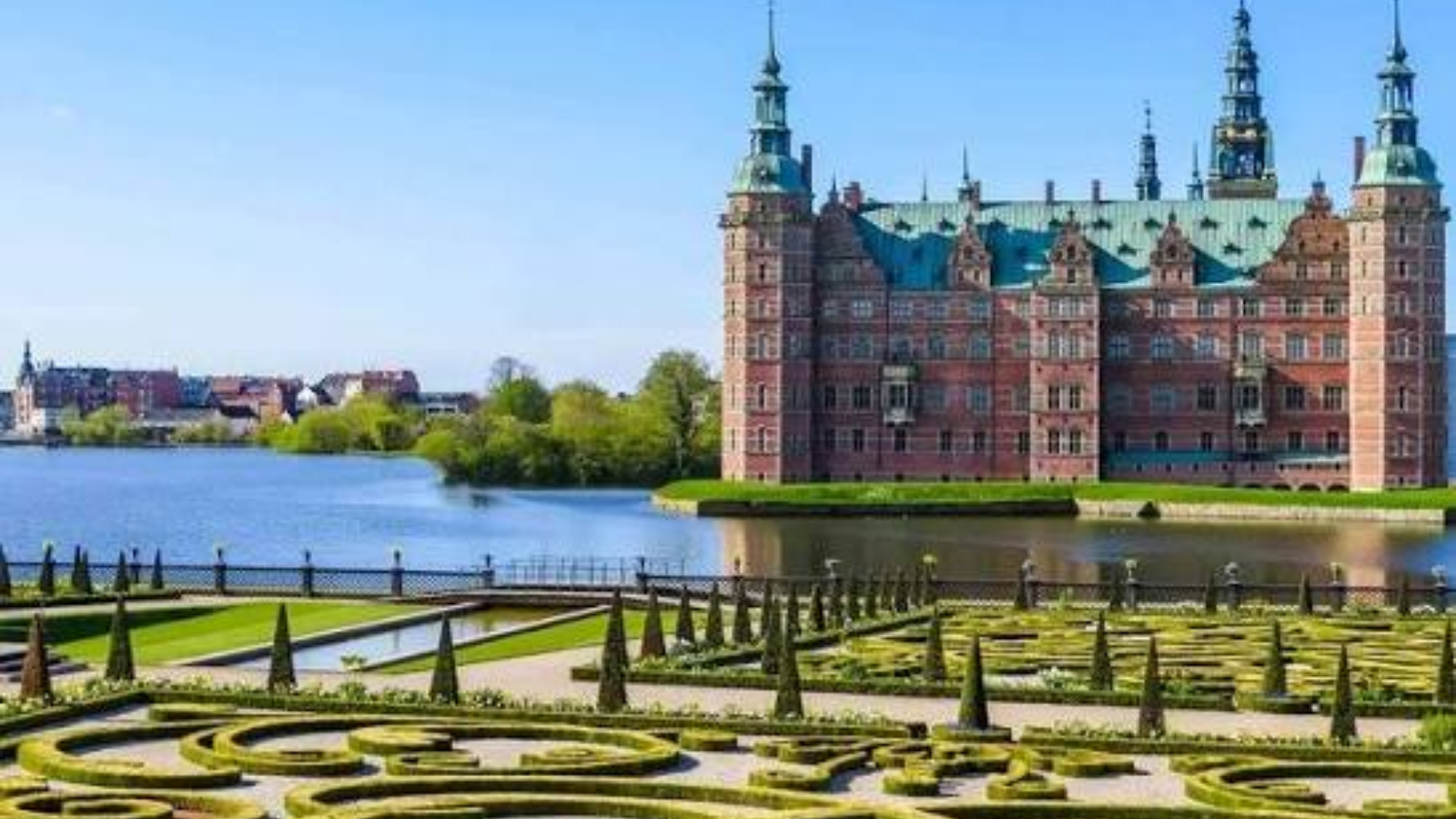
Rosenborg Castle provides another opportunity to discover Denmark's royal history.
The Renaissance-style castle is surrounded by the beautiful King's Garden.
Inside, visitors can explore royal rooms and historical collections.
The castle is particularly interesting for travelers who want to understand how Denmark's monarchy developed over the centuries.
After visiting the castle, spend some time walking through the gardens.
It is an easy way to take a break from sightseeing.
See the Little Mermaid
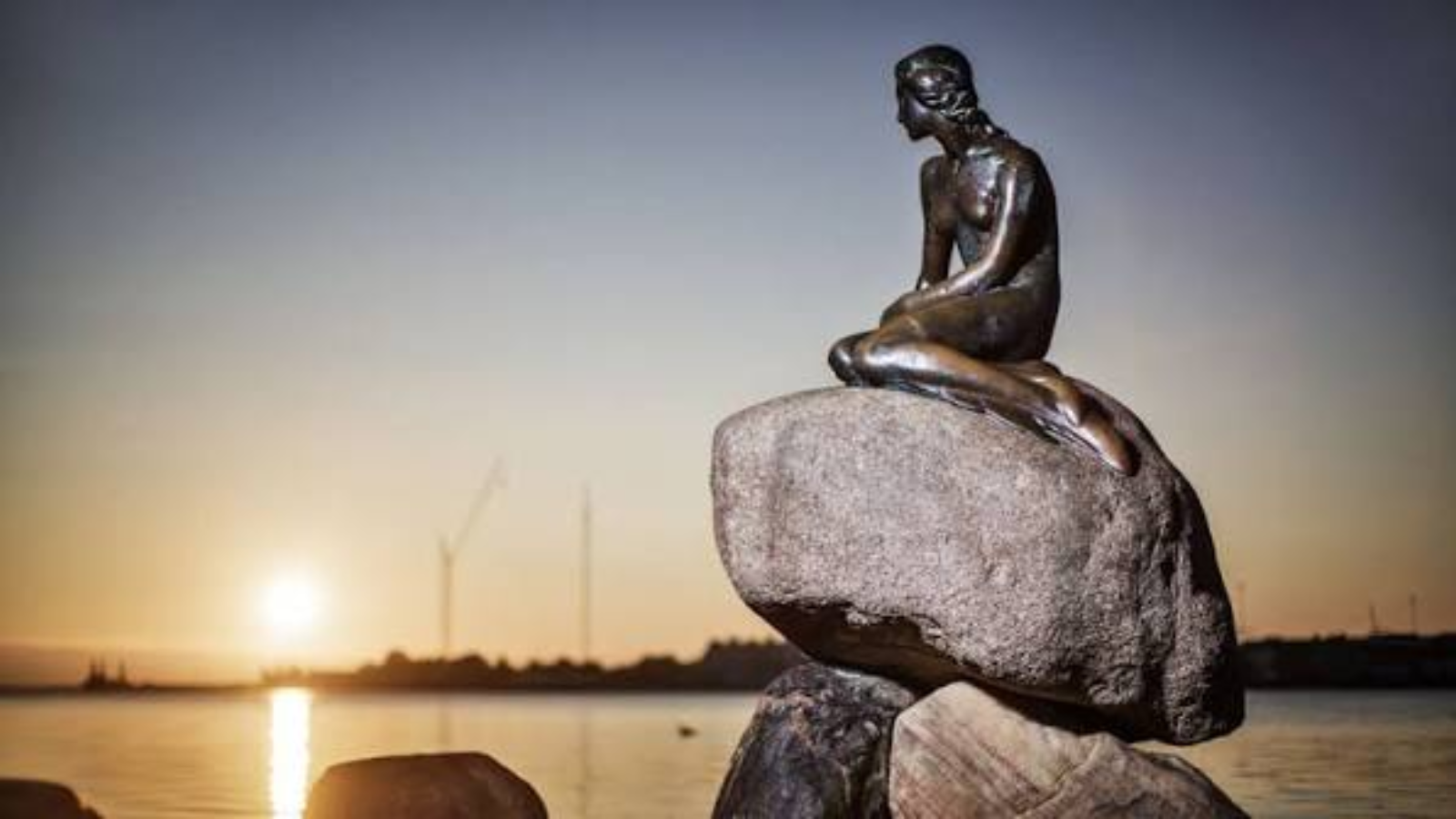
The Little Mermaid is one of Copenhagen's most famous landmarks.
Inspired by the famous fairy tale by Hans Christian Andersen, the statue sits beside the waterfront.
It is relatively small, so don't expect a huge monument.
Instead, consider it a short stop during a larger harbour or city sightseeing route.
The attraction is particularly easy to combine with other waterfront landmarks.
Experience Copenhagen's Food Scene
Food is an important part of modern Danish culture.
Traditional Danish cuisine includes open-faced sandwiches known as smørrebrød, pastries, seafood, meat dishes, and seasonal ingredients.
Copenhagen has also developed an internationally respected modern food scene.
You can choose between traditional cafés, local bakeries, casual restaurants, and contemporary Nordic dining.
Do not leave the city without trying a Danish pastry from a local bakery.
For travelers on a Scandinavia holiday package, exploring local food can add another dimension to the journey.
Copenhagen's Nordic Lifestyle
One of the most enjoyable things about Copenhagen is experiencing the city's everyday lifestyle.
Cycling is a major part of life in Copenhagen, and dedicated cycling infrastructure is visible throughout the city.
Parks, waterfront promenades, cafés, public squares, and pedestrian areas make it easy to slow down.
Instead of treating Copenhagen as a checklist of attractions, spend some time simply walking around.
The city rewards travelers who explore beyond the major landmarks.
Continue to Stockholm
The next major stop is Stockholm, the capital of Sweden.
Stockholm has a very different visual character from Copenhagen.
The city is spread across islands connected by bridges, creating a unique relationship between land and water.
Historic architecture sits alongside modern neighbourhoods, museums, restaurants, parks, and waterfront promenades.
This mixture makes Stockholm one of the most interesting cities to explore in Scandinavia.
Discover Gamla Stan
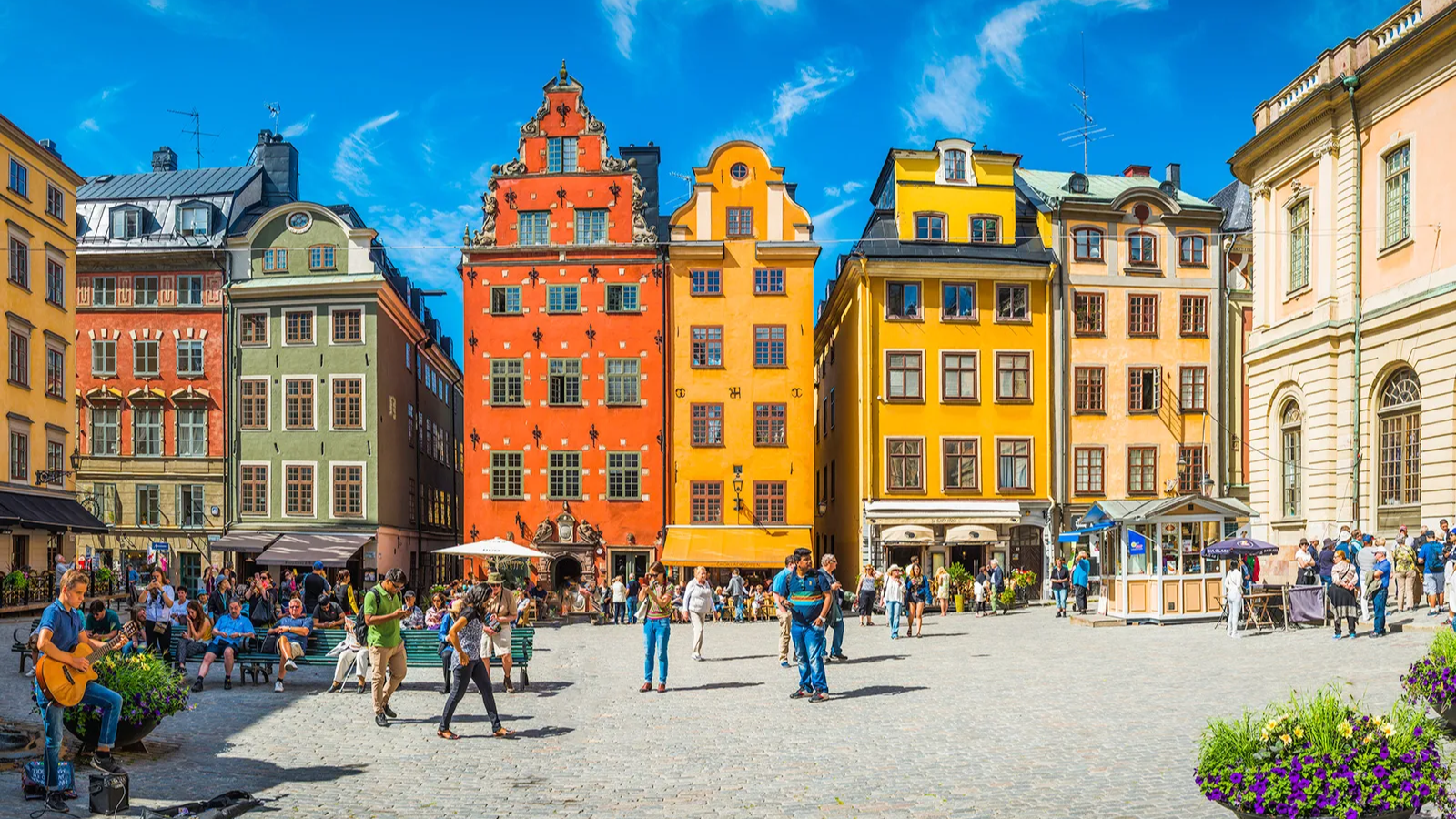
Gamla Stan is Stockholm's historic old town.
It is one of the oldest parts of the city and is filled with narrow streets, colourful buildings, small squares, cafés, restaurants, and historic landmarks.
Walking through Gamla Stan is one of the best ways to experience Stockholm.
The narrow streets create a completely different atmosphere from the city's modern districts.
Stortorget, the old town's main square, is particularly photogenic.
The colourful buildings surrounding the square have become one of Stockholm's most recognizable views.
Take your time here.
Stop at a café, browse small shops, and explore the surrounding streets rather than rushing through.
Visit the Royal Palace
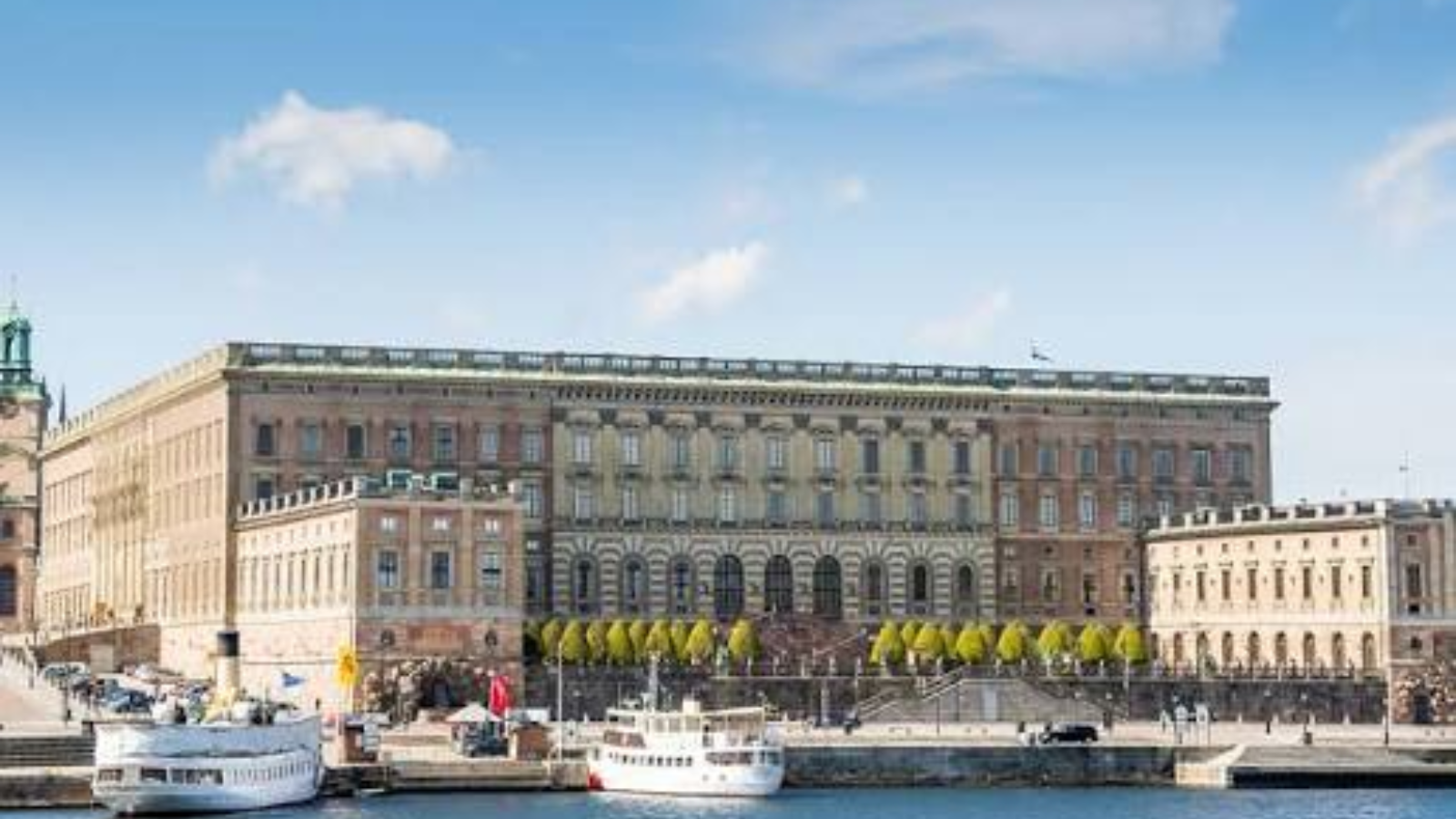
The Royal Palace is another important Stockholm attraction.
Located in Gamla Stan, the palace remains an important symbol of Sweden's monarchy.
Visitors can explore selected areas of the palace and learn about royal history and Swedish traditions.
The combination of the palace and surrounding old town makes this an easy attraction to include during a walking tour.
Explore Vasa Museum
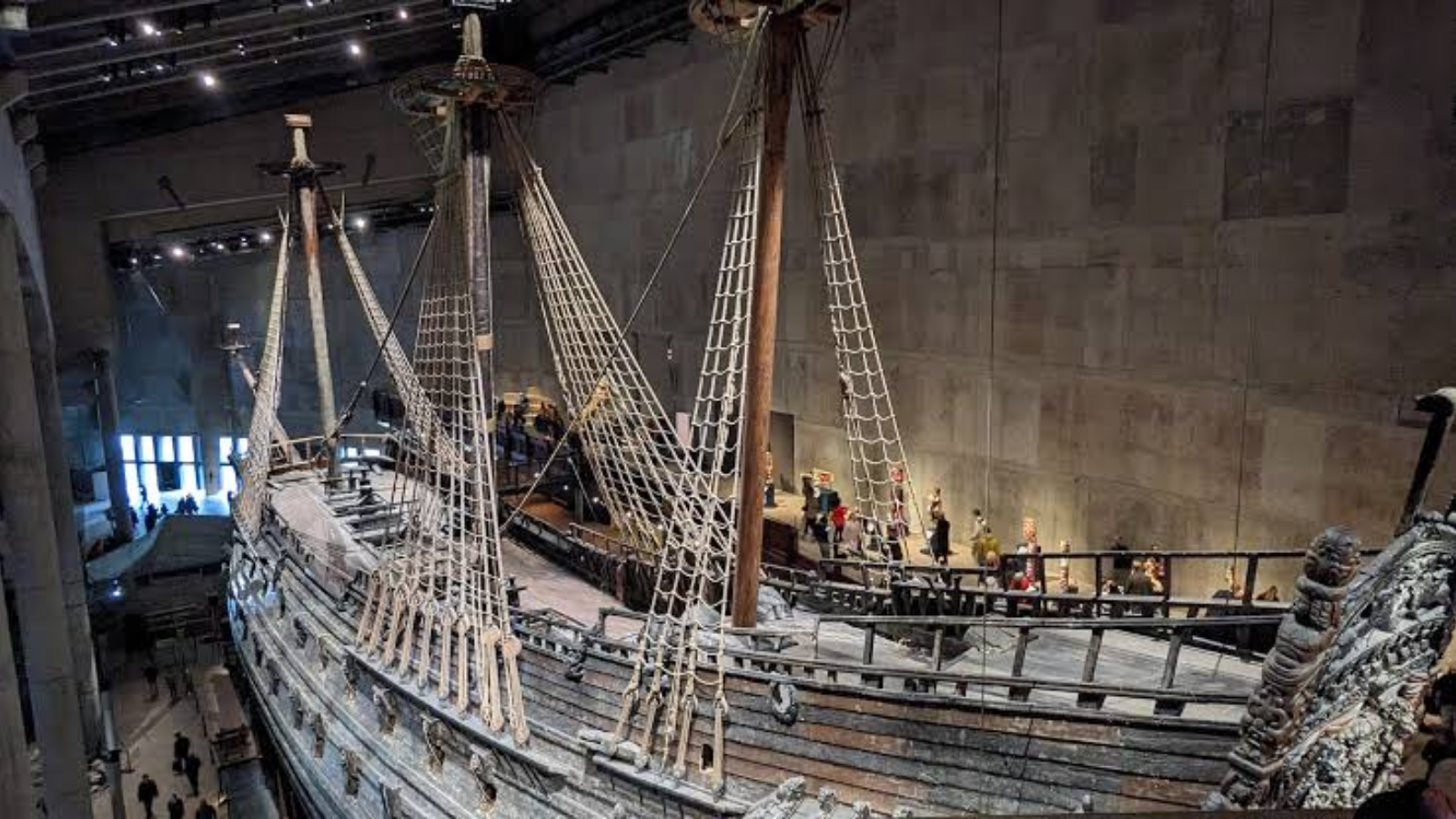
The Vasa Museum is one of Stockholm's most distinctive museums.
It is built around the remarkably preserved Vasa warship, which sank on its maiden voyage in 1628.
The ship was recovered centuries later and carefully preserved.
Seeing the vessel in person provides a fascinating connection with Sweden's maritime history.
The museum is particularly suitable for families because the story of the ship combines history, engineering, exploration, and discovery.
For travelers who are not usually museum enthusiasts, Vasa can still be an engaging experience.
Walk Along Stockholm's Waterfront
Stockholm's relationship with water is one of the city's defining features.
Waterways surround many parts of the city, creating scenic viewpoints throughout the urban landscape.
Take a walk along the waterfront or enjoy a short boat trip.
Seeing Stockholm from the water provides a different perspective of the city's historic buildings and islands.
This is also a good way to slow down after several hours of sightseeing.
Experience Swedish Food
Swedish cuisine offers much more than the famous Swedish meatballs.
Traditional dishes include seafood, potatoes, breads, pastries, cured fish, and seasonal ingredients.
One Swedish tradition that travelers should experience is fika.
Fika is essentially a social coffee break, often enjoyed with something sweet.
It is less about drinking coffee and more about slowing down and spending time with friends or family.
Find a local café in Stockholm and enjoy a relaxed fika.
It is a simple experience, but it provides a glimpse into everyday Swedish culture.
Discover Stockholm's Modern Side
Stockholm is not only about historic buildings.
The city is also known for design, fashion, technology, music, and contemporary culture.
Modern neighbourhoods provide excellent restaurants, cafés, boutiques, and design stores.
Scandinavian design is famous around the world for its clean lines, functionality, and simplicity.
Even if you are not planning to shop, visiting a few design stores can help you understand this important part of Nordic culture.
Continue to Oslo
After Copenhagen and Stockholm, the journey continues to Norway.
Oslo is Norway's capital and provides a different experience from the two previous cities.
The city has a strong connection with nature.
The Oslo Fjord lies directly beside the city, while forests and hills surround much of the urban area.
This makes Oslo particularly appealing for travelers who want to combine city sightseeing with scenic experiences.
Explore Oslo City Centre
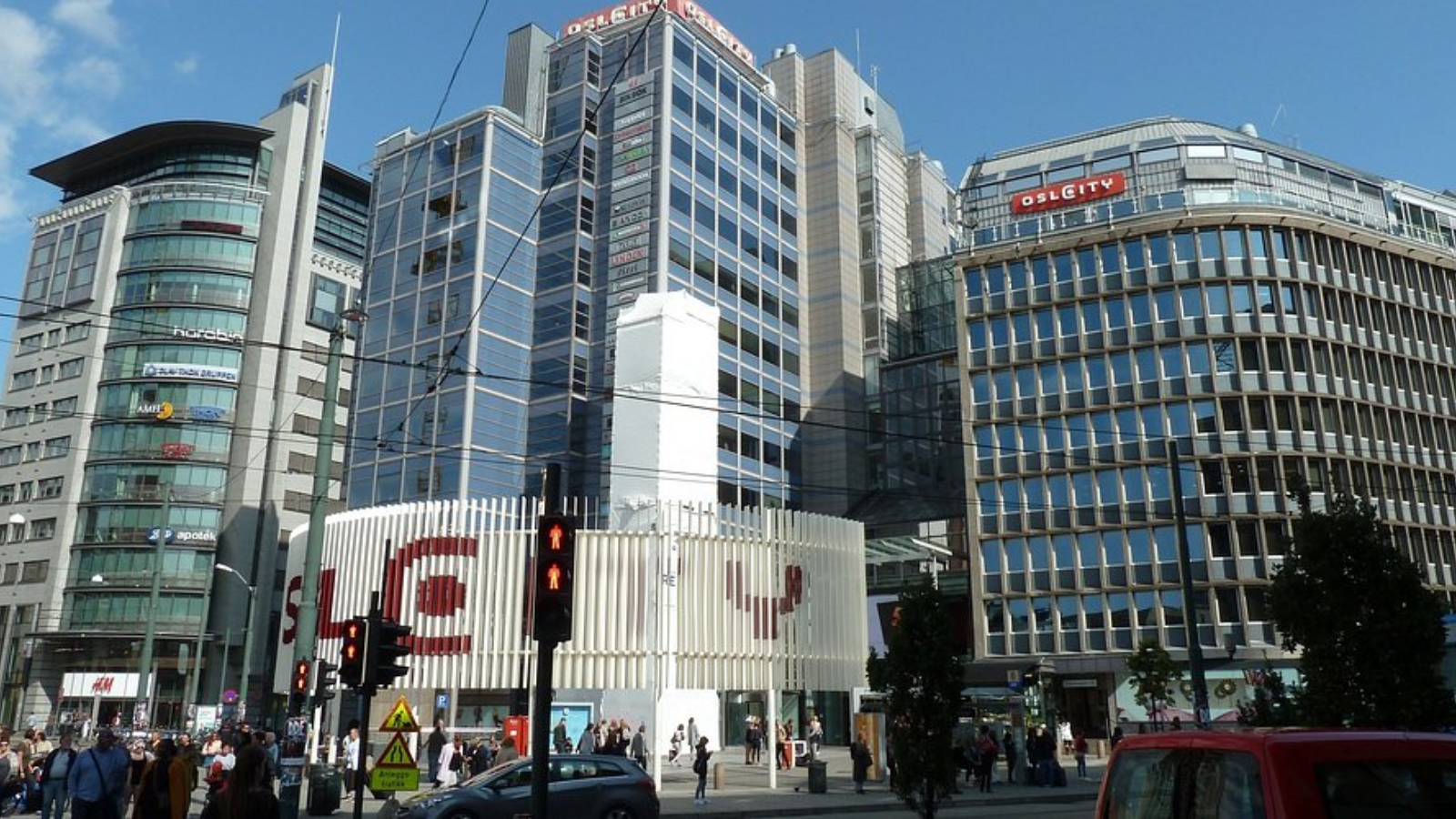
Begin your Oslo travel guide with the city centre.
Karl Johans gate is one of Oslo's main streets and connects several important landmarks.
The street leads toward the Royal Palace and passes shops, cafés, restaurants, and public spaces.
It is a convenient starting point for discovering central Oslo.
Visit the Royal Palace
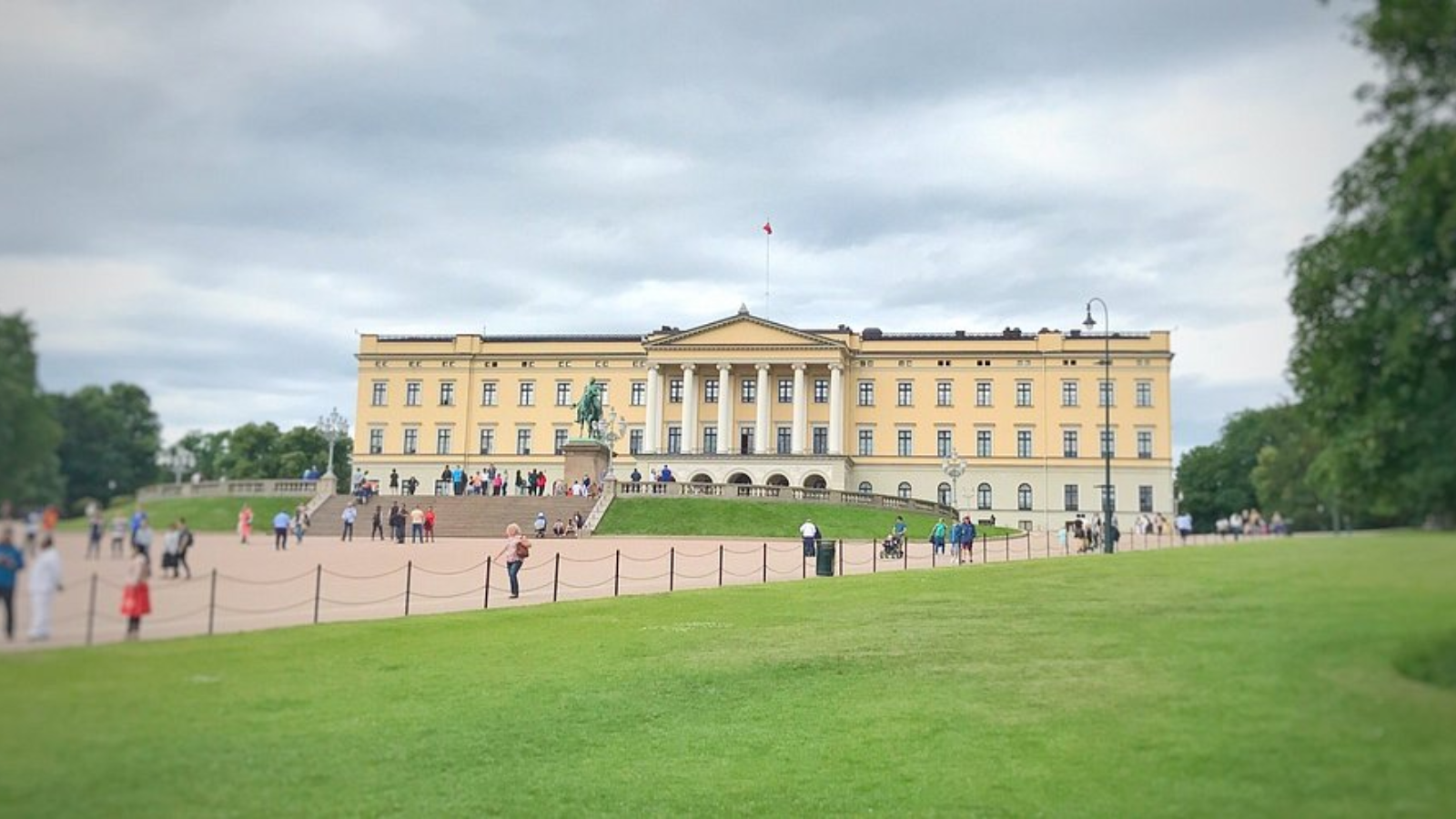
The Royal Palace sits at the end of Karl Johans gate.
The palace is surrounded by gardens and remains an important part of Norway's royal history.
During the appropriate season, guided tours allow visitors to see selected rooms inside the palace.
Even if you do not take a tour, the surrounding park is worth exploring.
Explore the Opera House
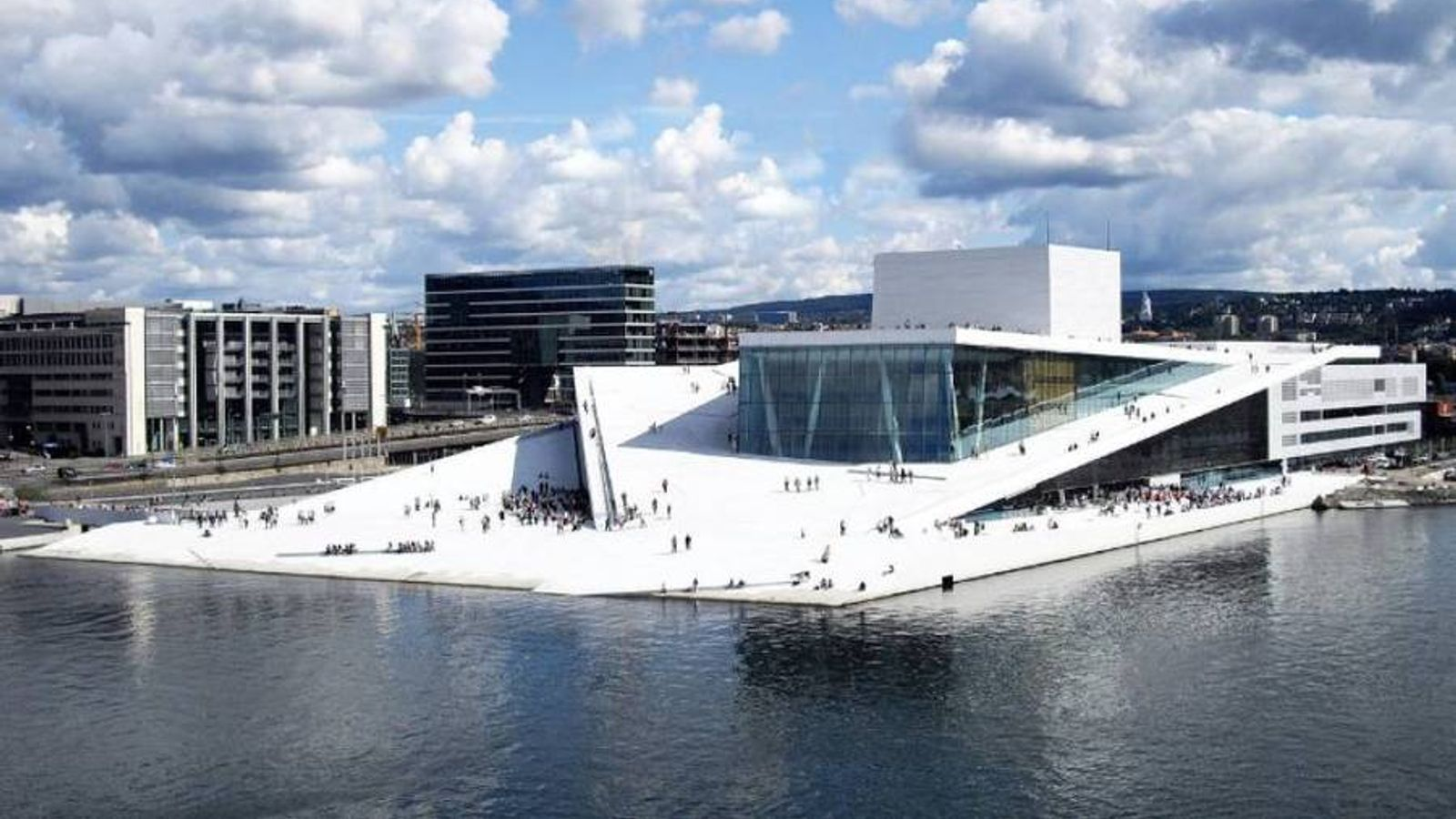
Oslo's Opera House is one of the city's most distinctive modern buildings.
Its design allows visitors to walk up onto the roof, providing views across the harbour.
The building represents the modern side of Oslo and creates a striking contrast with the city's historic attractions.
Visit around sunset for beautiful views over the water.
Discover the Viking Ship History
Norway's Viking heritage is one of the country's most fascinating historical subjects.
Museums in Oslo and the surrounding region provide opportunities to learn about Viking ships, exploration, craftsmanship, and everyday life.
The city's maritime museums can be particularly interesting for travelers who want to understand how Norway's relationship with the sea developed.
The Highlight: Oslo Fjord Cruise
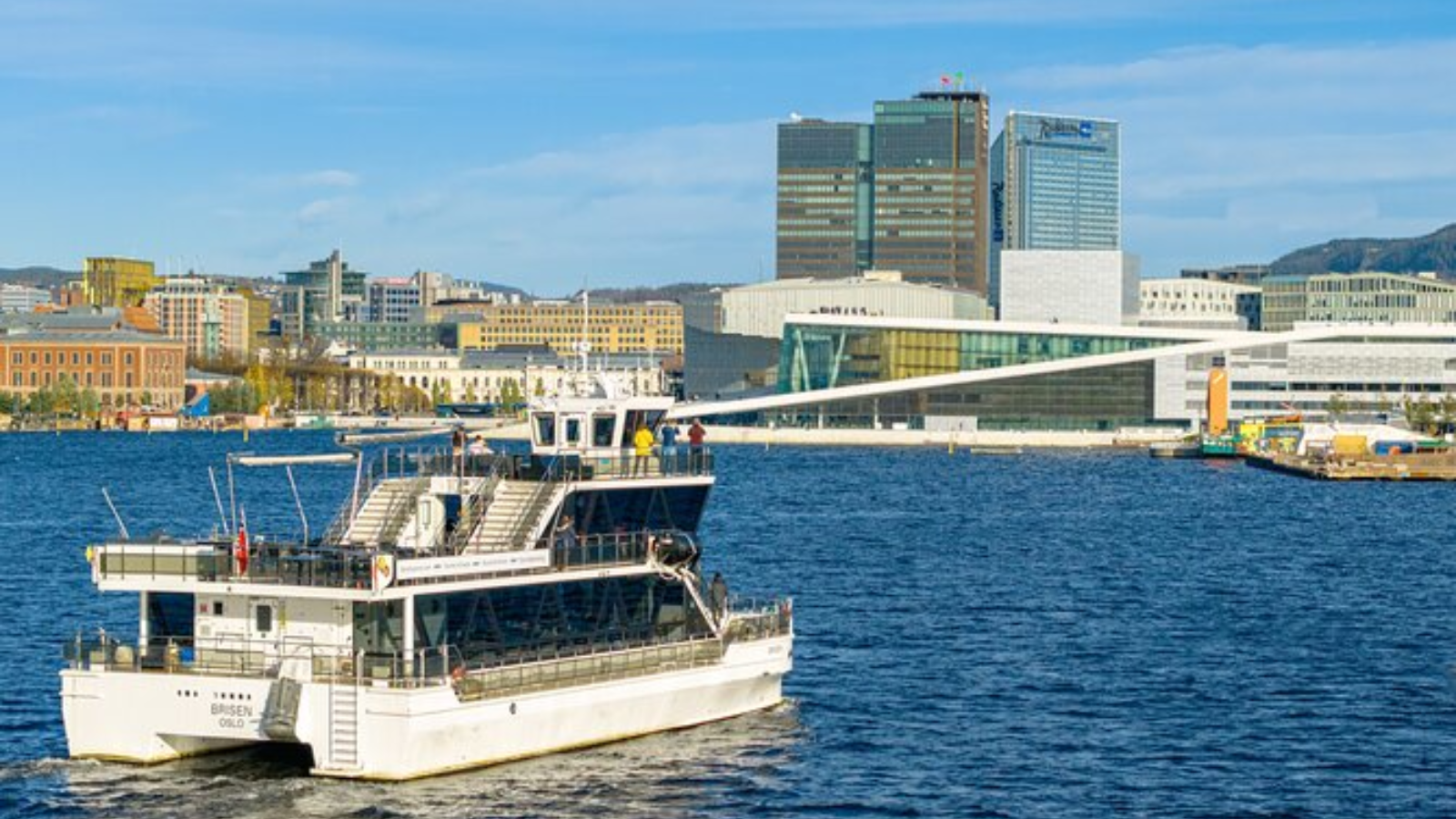
For many travelers, the Oslo Fjord cruise is one of the most memorable experiences of the entire Scandinavian capital tour.
The Oslo Fjord stretches along Norway's southeastern coastline and contains numerous islands and coastal landscapes.
A sightseeing cruise allows you to see Oslo from a completely different perspective.
As the boat moves away from the city, modern buildings gradually give way to islands, small houses, rocky shorelines, and open water.
The experience is peaceful and scenic.
Instead of rushing through another museum or landmark, you can sit back and watch the Norwegian landscape pass by.
Depending on the cruise, you may see small islands, traditional coastal homes, boats, and natural landscapes.
The exact route and duration vary, so check the current schedule when planning your trip.
Why Take an Oslo Fjord Cruise?
A fjord cruise provides something that city sightseeing cannot.
You experience Norway's landscape directly from the water.
For photographers, the combination of blue water, islands, boats, forests, and the city skyline provides excellent opportunities.
For couples, it can be a relaxing and romantic experience.
For families, the cruise offers a break from long walking days.
And for first-time visitors, it provides a simple introduction to Norway's famous relationship with its coastline and waterways.
Oslo's Connection With Nature
One of Oslo's greatest strengths is the way nature fits into city life.
You do not have to travel far from the city centre to find green spaces and scenic areas.
The surrounding forests provide opportunities for walking and outdoor activities.
During warmer months, locals enjoy spending time outdoors, while winter brings opportunities for snow-related activities.
This connection between urban life and nature is one of the defining features of the Scandinavian lifestyle.
Explore Nordic Culture
A Scandinavian trip is not only about famous landmarks.
It is also an opportunity to experience Nordic culture.
The three countries have their own languages and traditions, but they share several cultural characteristics.
Design, sustainability, outdoor activities, simple architecture, and a strong connection with nature are important parts of Scandinavian life.
You can see these influences in the way cities are designed, how public spaces are used, and how locals spend their free time.
This is one reason a Scandinavia tour can feel very different from other European holidays.
Best Time for a Scandinavian Capital Tour
The best time to visit Copenhagen, Stockholm, and Oslo depends on your preferred experience.
Summer is the most popular period because days are long and temperatures are generally comfortable for sightseeing.
The longer daylight hours also allow you to explore more each day.
Spring can be pleasant, with the cities beginning to come alive after winter.
Autumn brings beautiful seasonal colours and a quieter atmosphere.
Winter is a completely different experience.
The days are shorter and temperatures are colder, but Christmas markets, festive lights, snow, and cosy cafés create a special Nordic atmosphere.
Travelers hoping to see the famous Northern Lights should remember that these are not guaranteed in the capital cities and that the best viewing conditions generally require traveling farther north.
How Many Days Do You Need?
For a comfortable Copenhagen Stockholm Oslo tour, around 9 to 11 days is a good starting point.
A sample itinerary could be:
Days 1–3: Copenhagen
Explore Nyhavn, Amalienborg Palace, Rosenborg Castle, the Little Mermaid, and central Copenhagen.
Days 4–6: Stockholm
Explore Gamla Stan, the Royal Palace, Vasa Museum, waterfront areas, and modern neighbourhoods.
Days 7–10: Oslo
Explore central Oslo, the Opera House, museums, waterfront areas, and take an Oslo Fjord cruise.
Day 11: Departure.
The itinerary can be shortened or extended depending on your flights and interests.
If you have additional time, adding extra nights to Stockholm or Oslo can allow you to explore beyond the city centres.
How to Travel Between the Scandinavian Capitals
Copenhagen, Stockholm, and Oslo are well connected by different transportation options.
Depending on your itinerary, travelers can use trains, flights, ferries, or organized transfers.
The choice depends on your available time and the overall route.
Train travel can be particularly enjoyable because you can see more of the Scandinavian landscape.
Ferries can also provide an interesting experience, especially on routes that travel through coastal waters.
When booking a multi-city Scandinavia holiday package, consider the total travel time rather than simply comparing ticket prices.
A route that saves several hours can give you more time for sightseeing.
What to Pack for Scandinavia
The weather can change quickly, particularly outside the summer months.
Layered clothing is therefore useful.
A waterproof jacket is recommended, especially if your itinerary includes Norway.
Comfortable walking shoes are essential because all three cities are best explored partly on foot.
During summer, sunglasses and sunscreen are useful because daylight hours can be long.
For winter travel, warm clothing, gloves, a hat, and waterproof footwear become much more important.
A small backpack is also useful for carrying water, travel documents, a camera, and extra layers during sightseeing.
Scandinavian Food to Try
Each country has its own culinary traditions.
In Denmark, try smørrebrød, Danish pastries, seafood, and traditional bakery items.
In Sweden, look for Swedish meatballs, seafood, cinnamon buns, and other traditional dishes.
In Norway, seafood, salmon, breads, and regional meat dishes are common.
Scandinavian cuisine often emphasizes fresh ingredients and simple preparation.
Food markets can be an excellent way to try several local dishes without committing to a long restaurant meal.
For Indian travelers, major Scandinavian cities also offer international dining options, including Indian restaurants.
However, trying local cuisine at least once is an important part of experiencing the destination.
Scandinavia for Couples
Copenhagen, Stockholm, and Oslo are excellent destinations for couples.
Copenhagen offers romantic canal areas, cosy cafés, and beautiful evening walks.
Stockholm's islands and waterfront provide plenty of scenic places for couples to explore.
Oslo adds the natural beauty of the fjord and surrounding landscapes.
A Scandinavia honeymoon package can combine city sightseeing with comfortable hotels, scenic cruises, and free time.
One of the best things about Scandinavia is that romantic experiences do not have to be complicated.
A quiet waterfront walk, a café afternoon, or an evening cruise can be enough to create memorable moments.
Scandinavia for Families
Families can also enjoy a Scandinavian holiday.
The three capitals have museums, parks, public spaces, boat trips, and attractions suitable for different age groups.
Stockholm's Vasa Museum can be particularly interesting for children who enjoy history and ships.
Copenhagen's attractions and waterfront areas provide plenty of opportunities for family sightseeing.
In Oslo, a fjord cruise can provide a relaxing break between city activities.
The key is to avoid overloading your itinerary.
Children may enjoy the trip more when you alternate sightseeing with free time.
Travel Tips for First-Time Visitors
Scandinavia is generally well organized, but it can be more expensive than many other European destinations.
Plan your accommodation and major activities in advance, particularly during the summer.
Public transportation is usually convenient, but check local travel passes and ticket options before traveling.
When visiting restaurants and attractions, look at prices before ordering or booking so that you can manage your travel budget comfortably.
Keep your itinerary flexible.
Weather can influence outdoor activities, particularly fjord cruises.
If your trip includes an important outdoor experience, avoid scheduling it immediately before a flight or major international connection.
Most importantly, leave room for spontaneous exploration.
The charm of Scandinavian capitals often appears in the small details: a quiet street, a waterfront café, a local bakery, or a beautiful view from a bridge.
A Complete 10-Day Scandinavian Capital Itinerary
For travelers planning a Scandinavia tour from India, the following itinerary provides a practical structure.
Days 1–3: Copenhagen
Arrive in Copenhagen and spend the first day exploring the city centre.
Visit Nyhavn, Amalienborg Palace, Frederik's Church, Rosenborg Castle, and the Little Mermaid during the following days.
Enjoy traditional Danish food and spend an evening walking beside the waterfront.
Days 4–6: Stockholm
Travel to Stockholm.
Explore Gamla Stan and the Royal Palace.
Visit the Vasa Museum and discover Stockholm's islands and waterfront areas.
Use your third day for additional sightseeing, shopping, or a relaxed café experience.
Days 7–10: Oslo
Continue to Oslo.
Explore Karl Johans gate, the Royal Palace, the Opera House, and the city's waterfront.
Spend one day exploring museums or nearby attractions.
Reserve another day or half-day for your Oslo Fjord cruise.
Finish your trip with a relaxed evening overlooking the water before departure.
This itinerary can be customized according to your travel dates, hotel preferences, transportation choices, and budget.
Why Choose TrawelMart for Your Scandinavian Holiday?
Planning a multi-city Scandinavian vacation involves coordinating international flights, hotels, city transfers, sightseeing, transportation, and activities.
This can become complicated when you are visiting three different countries or cities in one trip.
A professionally arranged Scandinavia tour package can simplify the process.
TrawelMart can help travelers organize European holidays around their preferred destinations, duration, accommodation requirements, and budget.
For families, the itinerary can be designed with a comfortable pace.
For couples, additional time can be given to scenic experiences, waterfront stays, and romantic activities.
For first-time visitors, a classic Copenhagen–Stockholm–Oslo route provides an easy introduction to Scandinavia without requiring travelers to plan every individual component themselves.
A well-organized itinerary also allows you to spend more time enjoying the destination rather than worrying about transportation and hotel changes.
Final Thoughts
A Scandinavian capital tour covering Copenhagen, Stockholm, and Oslo is an excellent way to experience the contrasting sides of Northern Europe.
Copenhagen welcomes you with colourful waterfront buildings, royal landmarks, charming streets, Danish food, and a relaxed Nordic atmosphere.
Stockholm takes you through historic Gamla Stan, royal attractions, museums, islands, and beautiful waterfront views.
Oslo brings together modern Scandinavian city life with Norway's spectacular natural surroundings.
And the Oslo Fjord cruise provides the perfect opportunity to slow down and appreciate the landscapes that make Norway so special.
The beauty of this itinerary lies in its variety.
You can explore centuries-old buildings in the morning, enjoy a traditional Nordic meal in the afternoon, and watch the sun reflect across the water in the evening.
For travelers planning a Scandinavia holiday, a European family vacation, a romantic getaway, honeymoon, or first-time Europe tour from India, Copenhagen, Stockholm, and Oslo offer an unforgettable combination of culture, history, design, food, and nature.
Do not treat the journey as simply a list of cities to tick off.
Take time to walk through the old streets of Copenhagen, explore the islands of Stockholm, enjoy a Swedish fika, discover Oslo's waterfront, and cruise through the Oslo Fjord.
With a carefully planned itinerary from TrawelMart, your Scandinavian journey can become much more than a sightseeing trip. It can be a memorable European adventure filled with Nordic culture, beautiful landscapes, historic cities, and experiences that stay with you long after the holiday ends.