
South Africa: Safari : How to Plan Your First Trip to Kruger National Park
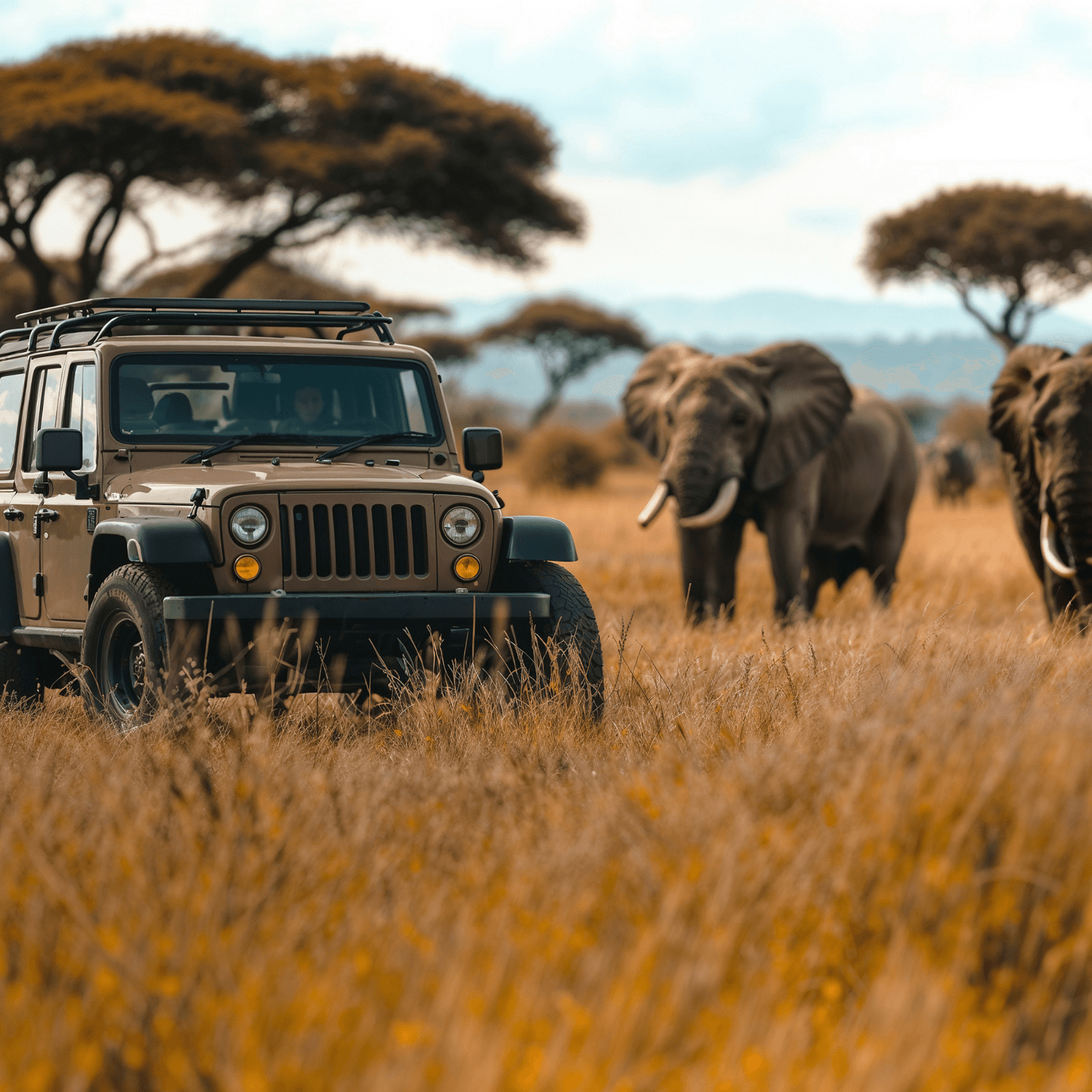
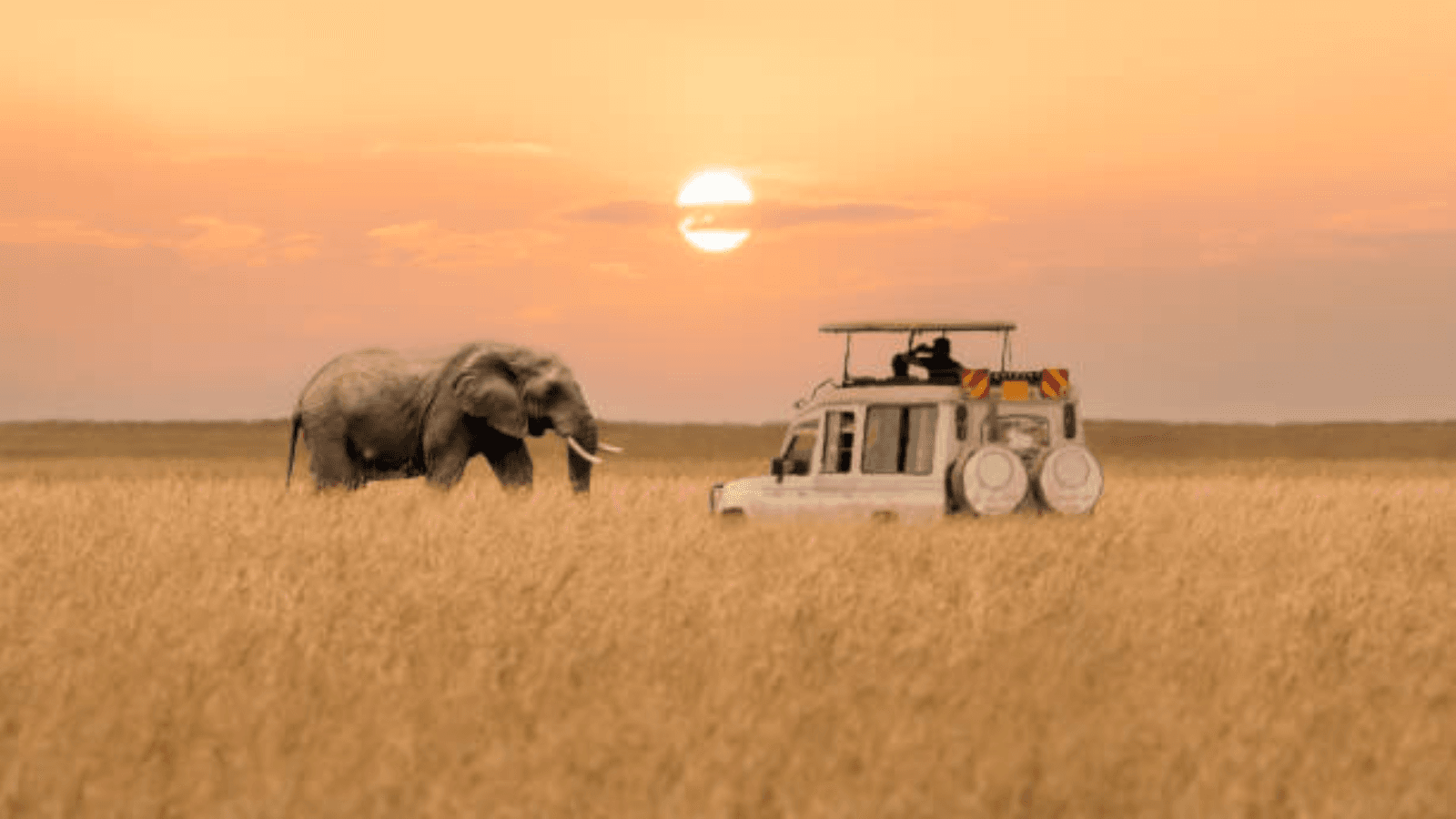
A safari in South Africa is more than just a vacation—it’s a once-in-a-lifetime journey into the wild. For many travelers, visiting Kruger National Park is the ultimate bucket-list experience. Spanning nearly 20,000 square kilometers, this iconic park is one of Africa’s largest and most famous wildlife reserves, home to the legendary Big Five—lion, leopard, elephant, rhino, and buffalo—along with hundreds of bird species and diverse ecosystems.
Whether you're a first-time safari traveler or planning your dream African adventure, this comprehensive guide will help you understand everything you need to know—from choosing the best time to visit and planning your itinerary to budgeting and packing essentials.
Why Kruger National Park is Perfect for First-Time Safari Travelers
Kruger National Park stands out among global safari destinations because it combines accessibility, affordability, and exceptional wildlife viewing. Unlike more remote African reserves, Kruger offers well-maintained roads, excellent accommodations, and a range of guided experiences suitable for all travel styles.
What Makes Kruger Unique?
- One of the best places in the world to spot the Big Five
- Self-drive safaris are allowed
Wide range of accommodations—from budget camps to luxury lodgesMalaria-controlled zones with proper medical infrastructureEasy access via domestic flights and road transfers
"Kruger National Park is one of the few safari destinations in the world where you can drive your own vehicle alongside elephants, lions, and giraffes—safely and legally."
Where is Kruger National Park Located?
Kruger National Park is located in northeastern South Africa, bordering Mozambique and Zimbabwe. The park stretches roughly 350 km from north to south, making it larger than some small countries.
Nearest Airports
- Kruger Mpumalanga International Airport
- Skukuza Airport
- O. R. Tambo International Airport
Most international travelers arrive in Johannesburg and then take a short domestic flight or road transfer to the park.
"From the moment your plane descends into Kruger’s airstrip, you may spot elephants or antelope grazing nearby—your safari begins before you even check in."
Best Time to Visit Kruger National Park
Kruger is a year-round destination, but each season offers a different safari experience.
Winter (May to September) – Best for Wildlife Viewing
This is the dry season, when animals gather around water sources, making them easier to spot.
Advantages
- Excellent wildlife visibility
- Cooler temperatures
- Fewer mosquitoes
- Ideal for photography
"During winter, animals gather at waterholes in large numbers, creating dramatic scenes of predators and prey sharing the same landscape."
Summer (October to April) – Best for Landscapes and Birdlife
This is the rainy season, when the park becomes lush and green.
Advantages
- Beautiful scenery
- Baby animals are born
- Best birdwatching opportunities
- Lower accommodation prices
"Summer transforms Kruger into a vibrant green paradise, where newborn animals take their first steps in the wild."
How Many Days Do You Need for Your First Safari?
For first-time visitors, the ideal safari duration is:
Minimum: 3 days
Recommended: 4–5 days
Best Experience: 6–7 days
Suggested Duration Guide
3 Days — Quick introduction to safari
5 Days — Balanced wildlife viewing
7 Days — Complete immersive experience
"Spending multiple days in Kruger dramatically increases your chances of spotting all members of the Big Five."
Types of Safaris in Kruger National Park
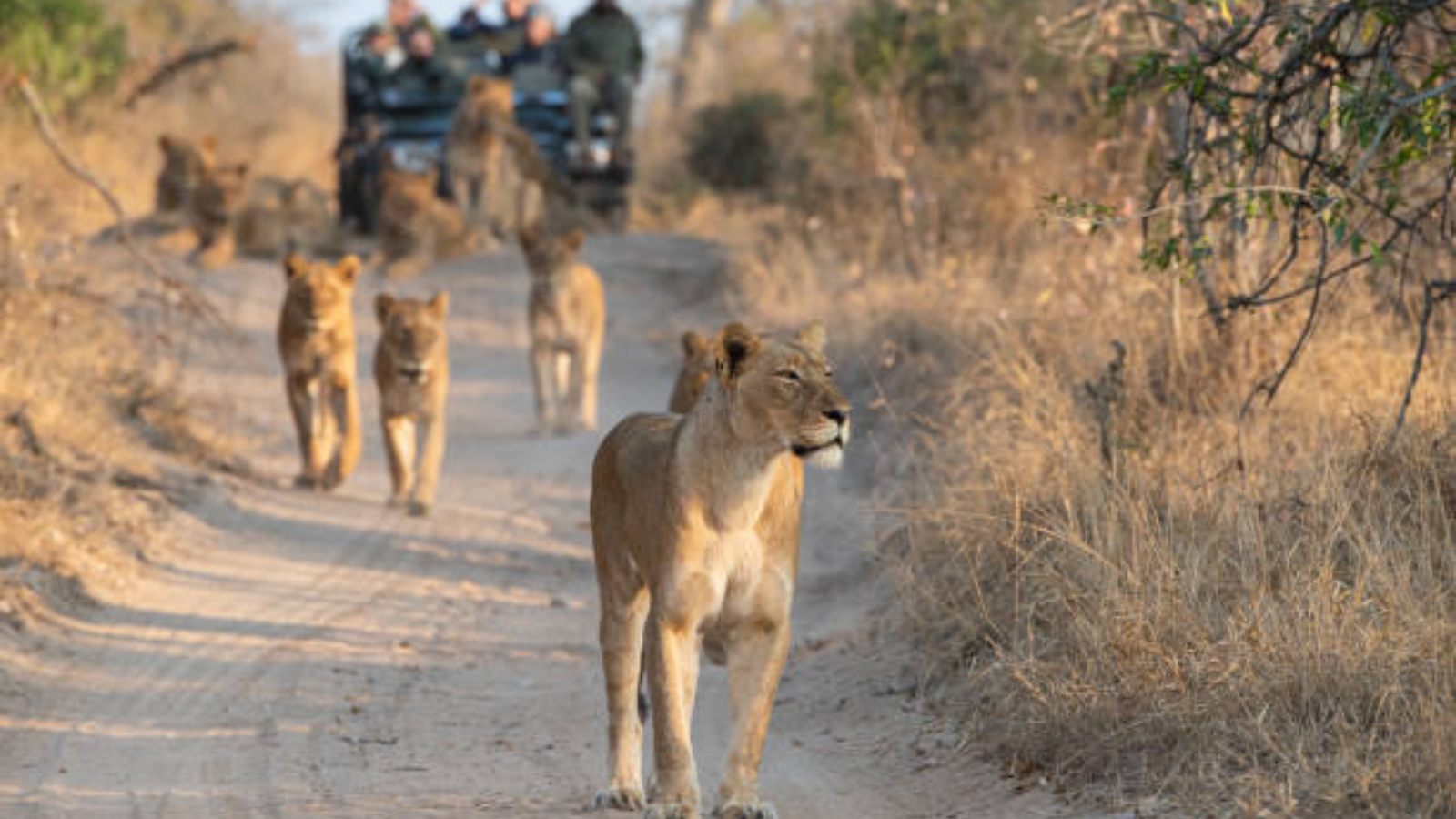
1. Self-Drive Safari
Kruger is one of the few parks in Africa where visitors can drive themselves.
Best For
- Budget travelers
- Families
- Flexible schedules
Benefits
- Affordable
- Freedom to explore
- Easy navigation
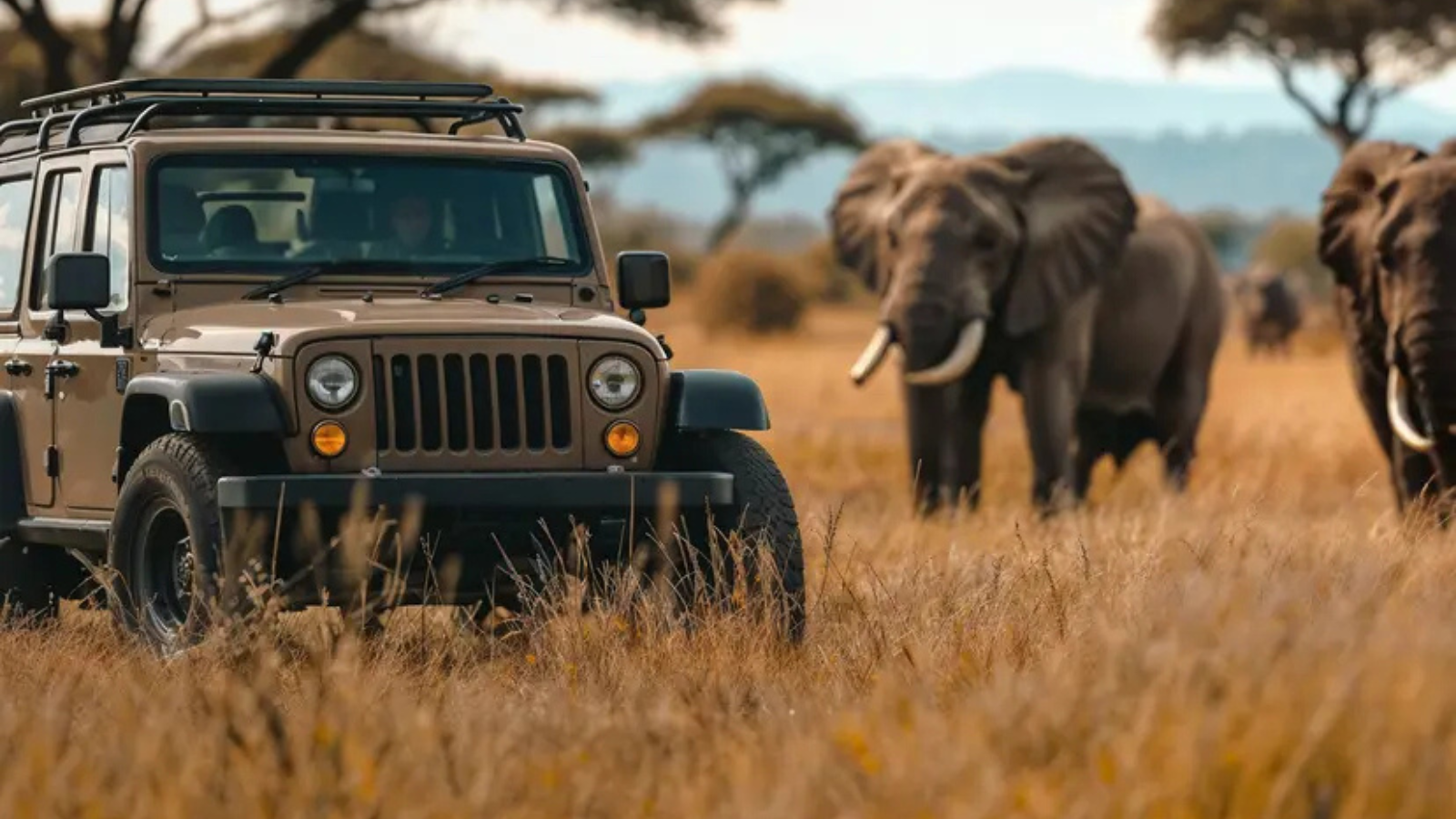
2. Guided Safari
Professional rangers lead game drives and share expert knowledge about wildlife behavior.
Best For
- First-time visitors
- Wildlife enthusiasts
- Photographers
3. Luxury Safari Lodge Experience
Luxury lodges provide premium accommodations, gourmet dining, and private game drives.
Best For
- Honeymooners
- Luxury travelers
- Special occasions
The Big Five: Animals You Can See in Kruger
Kruger is famous for its incredible biodiversity.
The Big Five
Lion
Leopard
Elephant
Rhino
Buffalo
Other Wildlife
Giraffes
Zebras
Hippos
Cheetahs
Hyenas
Crocodiles
Wild dogs
Bird lovers can spot more than 500 species in the park.
WOW Factor:
"Kruger offers one of the highest chances in Africa of seeing all Big Five animals in a single trip."
Where to Stay in Kruger National Park
Accommodation options range from budget camps to luxury lodges.
Budget Options
- Rest camps
- Self-catering chalets
- Camping sites
Mid-Range Options
- Safari lodges
- Guesthouses
- Family-friendly resorts
Luxury Options
- Private reserves
- All-inclusive lodges
- Boutique safari camps
WOW Factor:
"Many lodges in Kruger overlook waterholes, allowing guests to watch wildlife from the comfort of their room."
How Much Does a Kruger Safari Cost?
Safari costs vary depending on travel style.
Budget Safari
₹70,000 – ₹1,10,000 per person
Includes:
Accommodation
Meals
Park entry fees
Self-drive vehicle
Mid-Range Safari
₹1,20,000 – ₹2,00,000 per person
Includes:
Guided safaris
Comfortable lodging
Transfers
Luxury Safari
₹2,50,000 – ₹5,00,000+ per person
Includes:
Private game drives
Luxury accommodation
All meals and activities
WOW Factor:
"Kruger offers one of the most affordable safari experiences in Africa compared to destinations like Kenya or Tanzania."
What to Pack for Your First Safari
Packing correctly can make a huge difference in comfort and safety.
Clothing
Neutral-colored clothes
Lightweight shirts
Long pants
Hat
Jacket for cool mornings
Essentials
Sunscreen
Insect repellent
Camera
Binoculars
Reusable water bottle
Important Tip
Avoid bright colors and strong perfumes, as they may attract insects or disturb animals.
WOW Factor:
"Neutral-colored clothing helps you blend into the environment, improving your chances of observing wildlife up close."
Health and Safety Tips
Kruger National Park is considered safe for tourists, but preparation is essential.
Vaccinations
Recommended:
Hepatitis A
Typhoid
Tetanus
Malaria Prevention
Consult a doctor about preventive medication before traveling.
Stay in accommodations with mosquito protection.
WOW Factor:
"Modern safari lodges combine wilderness adventure with hospital-level safety standards."
How to Get to Kruger National Park from India
Most travelers fly from major Indian cities to Johannesburg.
Typical Route
India → Johannesburg → Kruger
Travel Time:
Approximately 12 to 15 hours
Airlines commonly used include international carriers with connections via the Middle East.
WOW Factor:
"Kruger National Park is closer to India than many European destinations, making it surprisingly accessible for Indian travelers."
Sample 5-Day Kruger Safari Itinerary
Day 1
Arrival in Johannesburg
Transfer to Kruger
Evening game drive
Day 2
Morning safari
Afternoon rest
Sunset safari
Day 3
Full-day wildlife exploration
Day 4
Bush walk
Photography session
Day 5
Morning safari
Departure
WOW Factor:
"Every safari drive in Kruger is different—no two days in the wild are ever the same."
Tips for First-Time Safari Travelers
Book Early
Safari lodges fill quickly during peak season.
Be Patient
Wildlife sightings require time and observation.
Follow Safety Rules
Always listen to your guide.
Bring a Good Camera
You’ll capture unforgettable memories.
WOW Factor:
"The most magical safari moments often happen unexpectedly—like witnessing a lion pride crossing the road just meters away."
Why Kruger National Park Should Be on Your Bucket List
A safari in Kruger National Park is not just a trip—it’s a transformative adventure that connects travelers with nature in its purest form. From thrilling wildlife encounters and breathtaking landscapes to unforgettable sunsets and luxury lodges, Kruger offers an experience unlike any other destination in the world.
Whether you're planning your first safari, a family vacation, or a romantic honeymoon, Kruger National Park delivers memories that last a lifetime.
Final WOW Factor:
"Standing in the African savannah as the sun sets and lions roar in the distance is an experience that stays with you forever."